Tag: Belt and Road

Xi Jinping and To Lam waving side-by-side in front of Chinese and Vietnamese national flags.

To Lam Visit Deepens China-Vietnam Strategic Ties

Vietnamese President To Lam’s first overseas trip to Beijing signals a deepening strategic partnership with China. Facing global economic pressures, both nations are prioritizing high-level cooperation in trade, infrastructure, and renewable energy, aiming to balance regional stability with ambitious domestic modernization goals through 2026 and beyond.

Read More »
Two political leaders in suits shaking hands during an official diplomatic meeting outdoors.

South Caucasus Strengthens Role in Eurasian Trade Routes

Kazakhstan and its South Caucasus partners are rapidly modernizing the Middle Corridor to create a resilient Eurasian trade artery. With significant investments in Georgia’s Poti terminal and digital coordination with Azerbaijan, transit times from China have dropped to 11 days, positioning the region as a strategic alternative to traditional northern routes.

Read More »
Two Iranian military speedboats patrolling near a large cargo ship or oil tanker at sea.

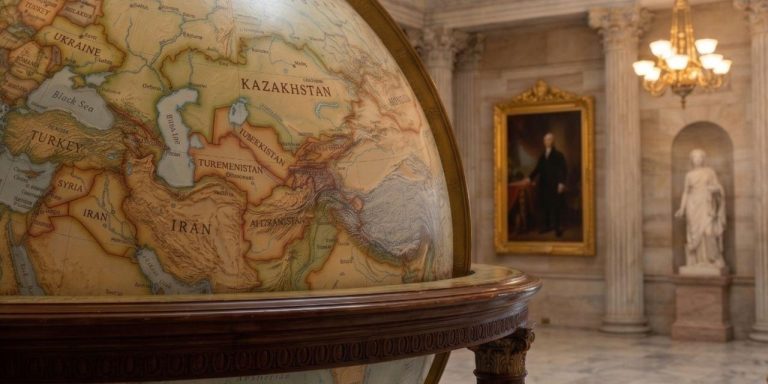
Russia’s Influence Fades Across Central Asia

Moscow’s influence across Central Asia is steadily eroding due to the economic strains of war and sanctions. Regional powers are now diversifying their strategic partnerships, prioritizing the Middle Corridor and Chinese investment over traditional Russian ties to secure long-term infrastructure, energy reliability, and economic independence in a multipolar landscape.

Read More »
Pedro Sánchez and Xi Jinping shaking hands in front of Spanish and Chinese flags.

Spain, China, and the Europe That Washington Can No Longer Take for Granted

The deepening rift between Washington and Madrid has pushed Spain toward a landmark strategic alignment with China. Faced with U.S. threats of a total trade cutoff over the use of military bases, Prime Minister Sánchez has accelerated cooperation with Beijing in green energy and EV manufacturing. This shift represents a broader European trend: redefining “Western” loyalty in an era where strategic autonomy and energy security outweigh unilateral demands from the Oval Office.

Read More »