Tag: Masoud Pezeshkian

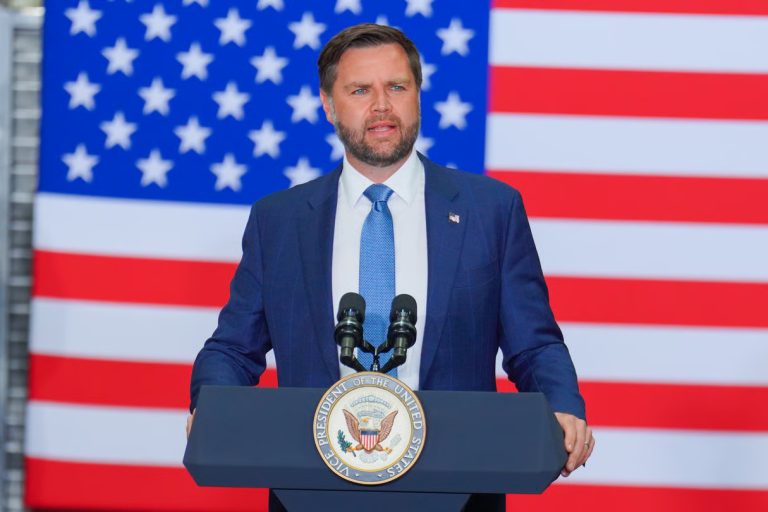
JD Vance speaking at a podium with the Vice President seal, positioned in front of a large American flag.

The GOP’s Israel Consensus Is Cracking and JD Vance Is Holding the Hammer

Vice President JD Vance is positioning himself at the forefront of a shifting Republican foreign policy, signaling a move away from unconditional support for Israel. Driven by changing base demographics and rising skepticism toward foreign entanglements, this pivot suggests the traditional bipartisan consensus on the US-Israel relationship may be permanently breaking down.

Read More »
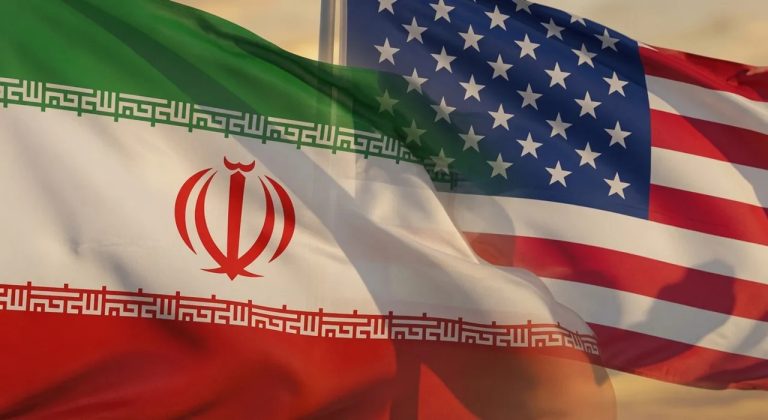
The flags of the United States and Iran waving side-by-side in the wind.

The US-Iran Peace Window Is Narrowing Fast

Following the June 17 Islamabad Memorandum, the path toward a durable peace between the US and Iran looks increasingly precarious. With deep disagreements over maritime tolls and persistent regional instability, both nations are struggling to move beyond a fragile ceasefire toward a lasting and comprehensive settlement.

Read More »
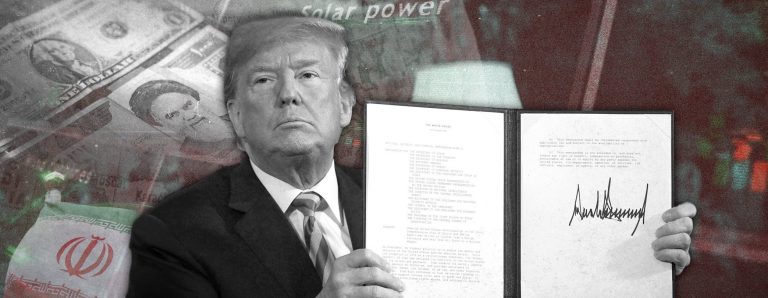
A montage image of Donald Trump holding a document, superimposed over US currency and an Iranian flag.

The US-Iran Deal Is a Ceasefire, Not a Concession

The recent framework between the United States and Iran represents a pragmatic ceasefire rather than a strategic concession. By prioritizing the reopening of the Strait of Hormuz and managing immediate conflict, both sides aim to stabilize energy markets. This agreement highlights the limits of current diplomatic leverage today.

Read More »
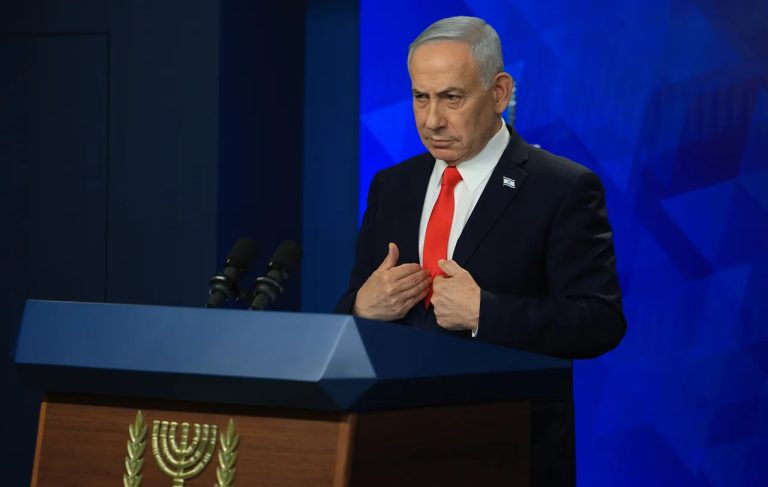
Israeli Prime Minister Benjamin Netanyahu speaking at a podium.

Trump Iran Deal Leaves Israel Vulnerable

The recent Memorandum of Understanding signed between the United States and Iran at Versailles marks a profound shift in Middle Eastern security dynamics. By prioritizing immediate stability and the reopening of the Strait of Hormuz, the agreement has left Israeli leadership questioning the reliability of American security guarantees. As Tehran navigates a new era under Mojtaba Khamenei, the region faces a period of heightened uncertainty, where traditional alliances are being tested and the prospect of self-reliance has become a strategic necessity for regional players.

Read More »
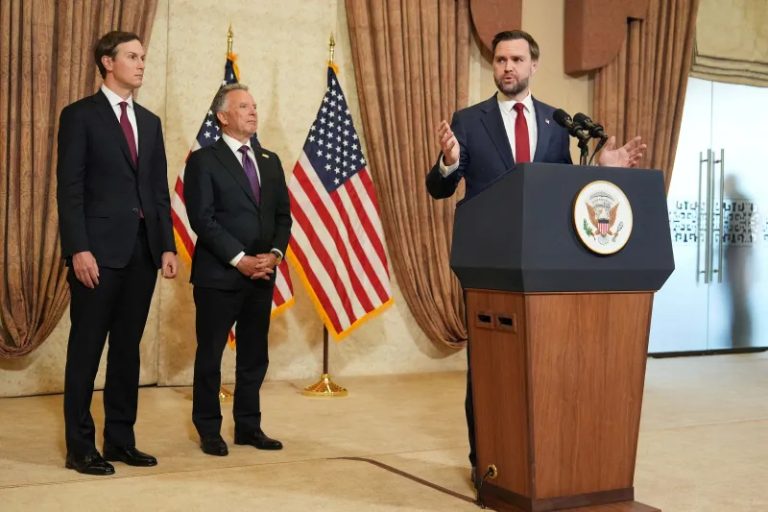
JD Vance speaking at a podium with the US Seal during a formal briefing.

The US–Iran Peace Puzzle: Why Islamabad Didn’t Deliver

The collapse of the Islamabad talks has exposed the deep-seated mistrust and “maximalist” positions hindering a US-Iran peace deal. While a fragile ceasefire holds until April 22, the 15-year gap in nuclear enrichment proposals and the ongoing naval blockade of the Strait of Hormuz suggest that both nations are still far from a sustainable regional settlement.

Read More »
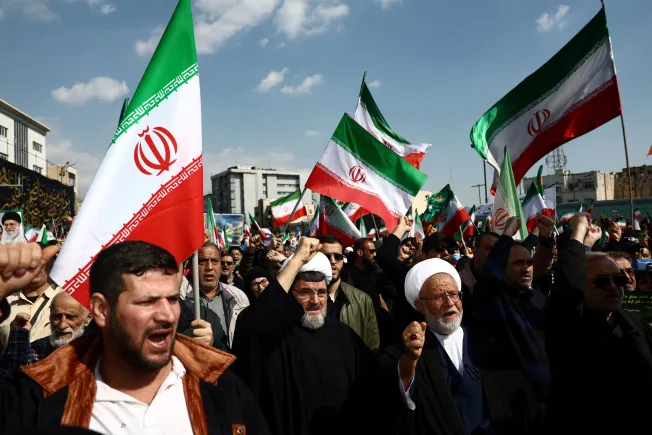
A large crowd of people in Iran waving Iranian flags and chanting during a demonstration.

Iran’s Peace Blueprint: Bold Enough to Work, or Too Late?

The publication of Mohammad Javad Zarif’s peace blueprint in Foreign Affairs on April 3, 2026, represents the most significant diplomatic opening since the start of Operation Epic Fury. While Zarif currently holds no official government title, his role as a key ally to reformist President Masoud Pezeshkian suggests this is a “cleared” trial balloon from Tehran’s remaining diplomatic corps.

Read More »
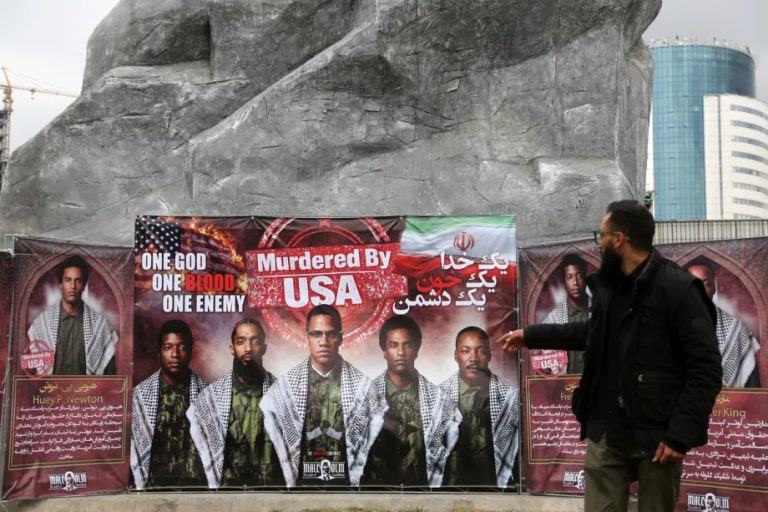
A large outdoor banner in Iran featuring various historical figures and the text "Murdered By USA" in English and Persian.

Iran and Trump Are Talking But Neither Side Wants Peace Yet

The diplomatic track of the Iran war has entered a phase of high-stakes “performance art.” While President Trump and Tehran exchange messages through a crowded field of mediators, both sides are using the appearance of negotiation to buy time for their respective military and economic leverage to peak.

Read More »
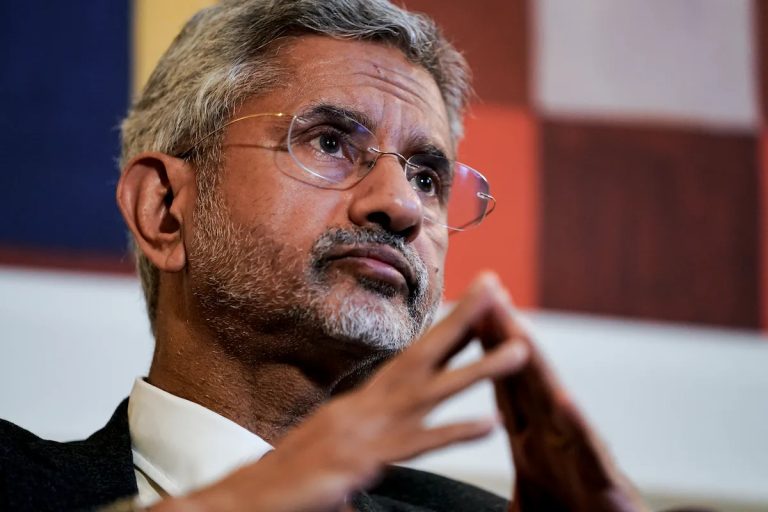
Close-up portrait of Subrahmanyam Jaishankar, India's Minister of External Affairs, looking thoughtful with his hands clasped.

India’s Iran War Silence Exposes the Limits of “Strategic Autonomy”

The sinking of the IRIS Dena and the subsequent “silence” from New Delhi have ignited a fierce domestic and international debate over the reality of India’s “Strategic Autonomy.” While Pakistan has positioned itself as a central diplomatic intermediary between Washington and Tehran, India finds itself grappling with a “strategic embarrassment” that has paralyzed its traditional role as a regional leader.

Read More »
A composite image featuring two political figures from the US and Iran in front of a missile launch with smoke clouds.

Iran Doesn’t Trust the Negotiators and That’s Now a Problem

Tehran is stalling negotiations by rejecting Trump’s primary envoys and signaling a preference for JD Vance, viewed as a skeptic of Middle East intervention. This diplomatic maneuvering creates internal White House tension as the U.S. readies paratroopers and a 15-point proposal to end the conflict amid soaring energy prices.

Read More »
Illustration of Arash the Archer firing missiles instead of arrows in a modern geopolitical art style.

Iran Won’t Break. But It Might Implode From Within.

Iran’s deep cultural cohesion and the IRGC’s tightening grip mean the regime won’t collapse under foreign pressure, but the war is accelerating internal tensions that could push the country toward an eventual implosion driven from within rather than imposed from outside.

Read More »
President Ilham Aliyev of Azerbaijan standing with an Iranian cleric and an official during a press meeting.

Azerbaijan Chose Diplomacy Over War — and Washington’s Hawks Are Furious

## **Micro‑Brief (50 words)**
Azerbaijan defused a crisis that Washington’s hawks hoped would open a northern front against Iran. After drone strikes on Nakhchivan, Baku briefly mobilized but quickly reversed course, reopening borders and sending aid. Pipeline vulnerability, Turkey’s restraint, and Iran’s large Azeri population made escalation untenable — exposing the limits of anti‑Iran coalition fantasies.

If you’re keeping this as part of your serialized war‑briefs, I can align tone and cadence across all entries.

Read More »
American and Iranian flags painted on a cracked concrete wall representing fractured diplomatic relations.

US-Iran Nuclear Talks Walk a Razor’s Edge

US–Iran talks resume in Geneva as both sides escalate militarily. Washington’s deadline and massive buildup collide with Tehran’s threats to close the Strait of Hormuz. The core dispute remains enrichment. If Iran offers verifiable limits and expanded IAEA oversight, a deal is possible; if not, Trump is weighing military options.

Read More »