
New York City public safety announcement
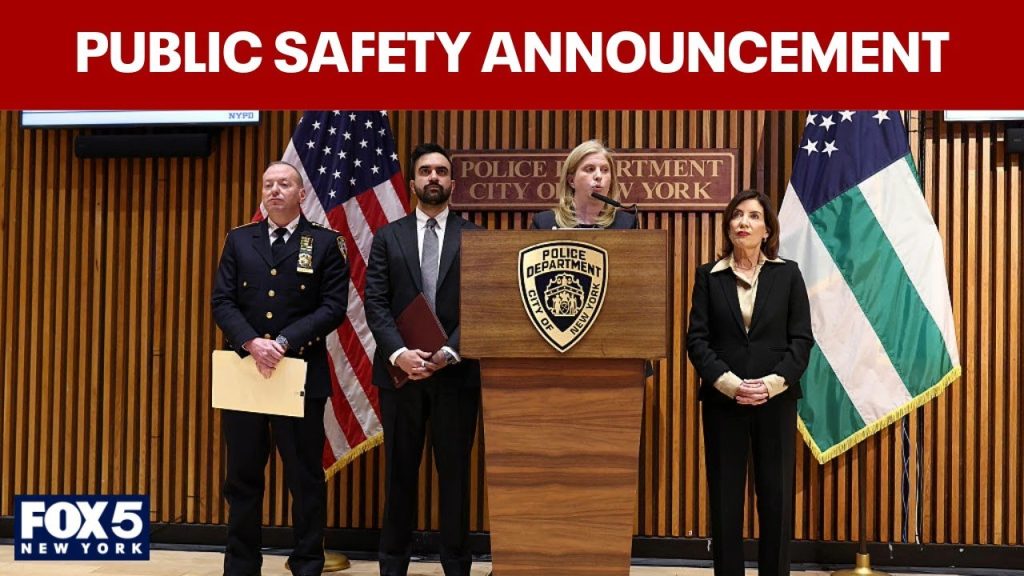
Mayor Mamdani, Governor Hochul and NYPD Commissioner Jessica Tisch make security announcement.
US Gun Carry Surges as Violent Crime Declines

Recent data shows a compelling intersection in the United States: violent crime rates are hitting historic lows even as legal gun carry expands following the Bruen Supreme Court decision. While gun rights advocates point to deterrence as a factor, experts highlight a complex web of economic and community-based influences. This article examines the ongoing debate over whether increased firearm accessibility is a primary driver of public safety or simply a parallel trend in a rapidly changing social landscape.
Turkey Seeks Stability in Fractured Middle East
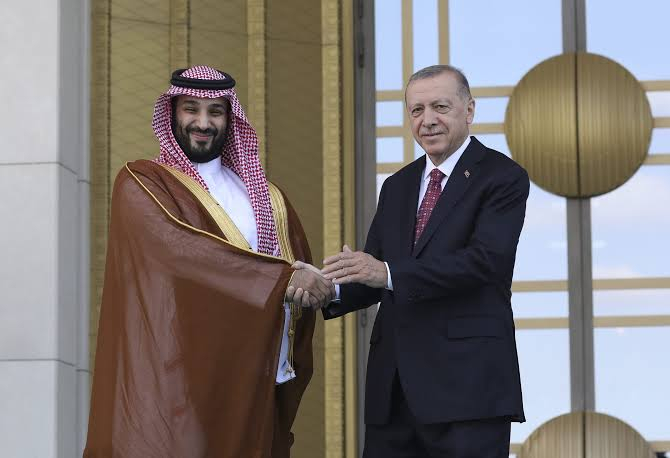
Turkey is navigating a complex regional landscape by prioritizing pragmatic security and economic stability over earlier, more expansive ideological objectives. As Ankara manages the post-Assad vacuum in Syria and seeks to balance relations between Western allies and emerging regional networks, its foreign policy is increasingly constrained by domestic fiscal pressures. Success for Turkey now depends on converting tactical military gains into durable diplomatic leverage while avoiding the long-term costs of prolonged instability.
Trump Iran Deal Leaves Israel Vulnerable
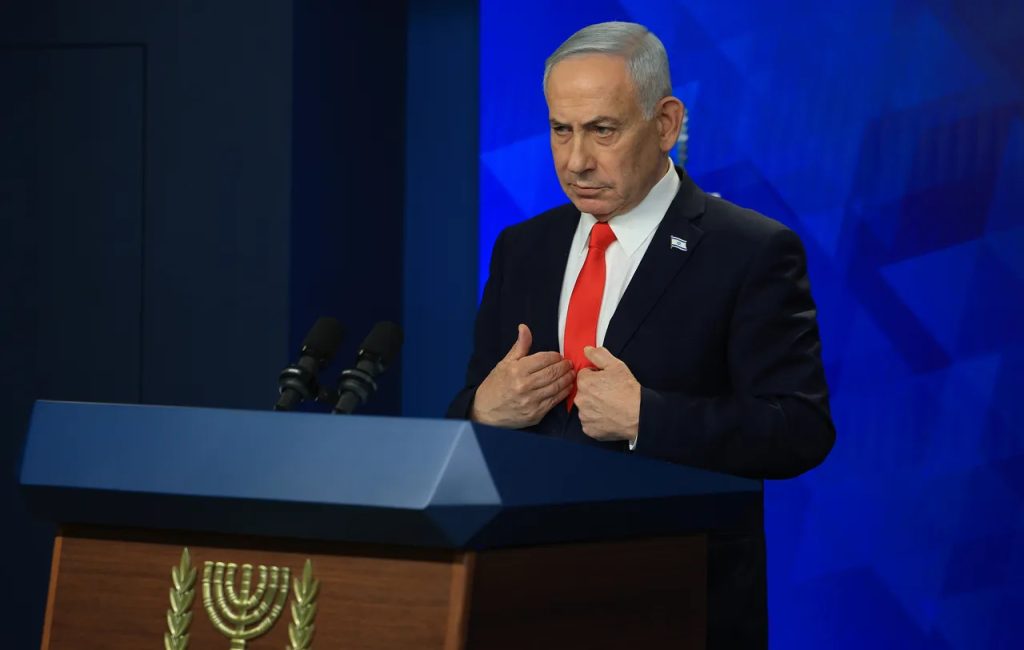
The recent Memorandum of Understanding signed between the United States and Iran at Versailles marks a profound shift in Middle Eastern security dynamics. By prioritizing immediate stability and the reopening of the Strait of Hormuz, the agreement has left Israeli leadership questioning the reliability of American security guarantees. As Tehran navigates a new era under Mojtaba Khamenei, the region faces a period of heightened uncertainty, where traditional alliances are being tested and the prospect of self-reliance has become a strategic necessity for regional players.
The Iran War Broke Something Permanent in U.S.-India Relations
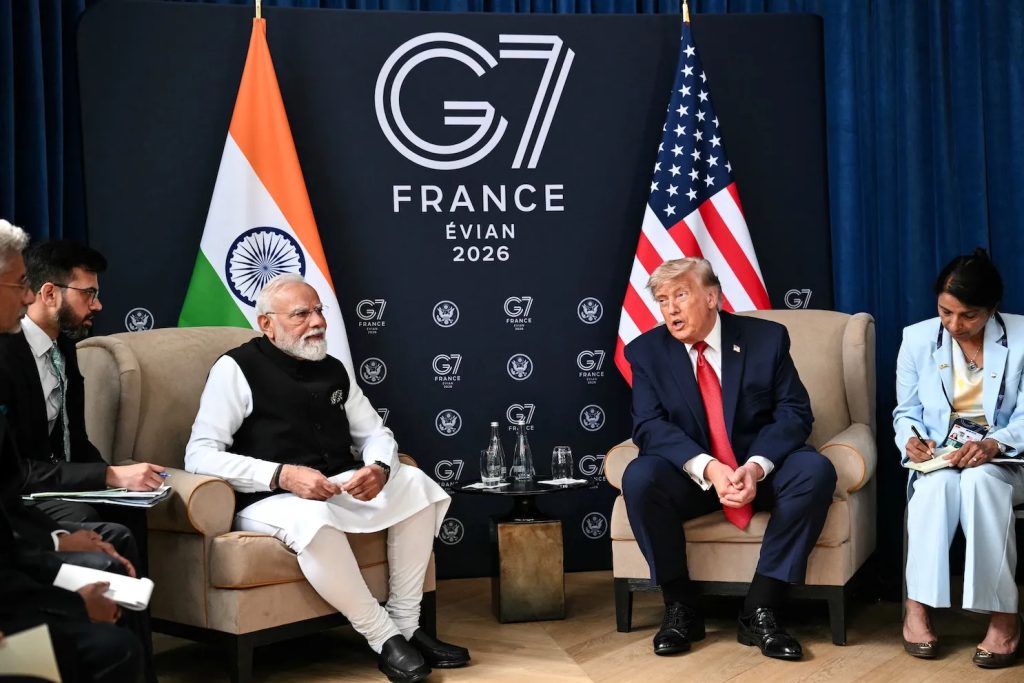
The recent conflict with Iran has exposed a deep, structural rupture in U.S.-India relations. Following fatal maritime incidents and economic shocks, New Delhi is forced to confront the limits of American partnership. As Washington prioritizes unilateral objectives, India is quietly recalibrating its strategic trajectory, testing the long-term viability of their alliance.
Iran War Forces Middle East Security Realignment
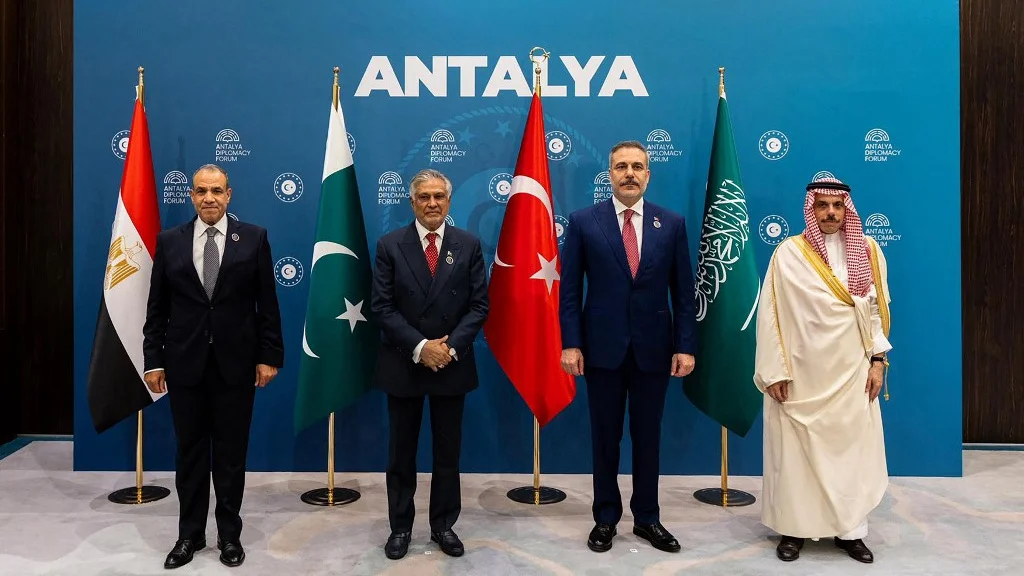
The war with Iran has shattered the assumption that US military presence guarantees security. Regional powers are now diversifying their strategic ties, creating a patchwork of flexible, issue-based partnerships. This shift reflects a move away from rigid, single-patron alliances toward a more pragmatic, self-reliant regional order.
Armenia’s Westward Turn Survives Moscow’s Pressure, But the Hard Part Starts Now
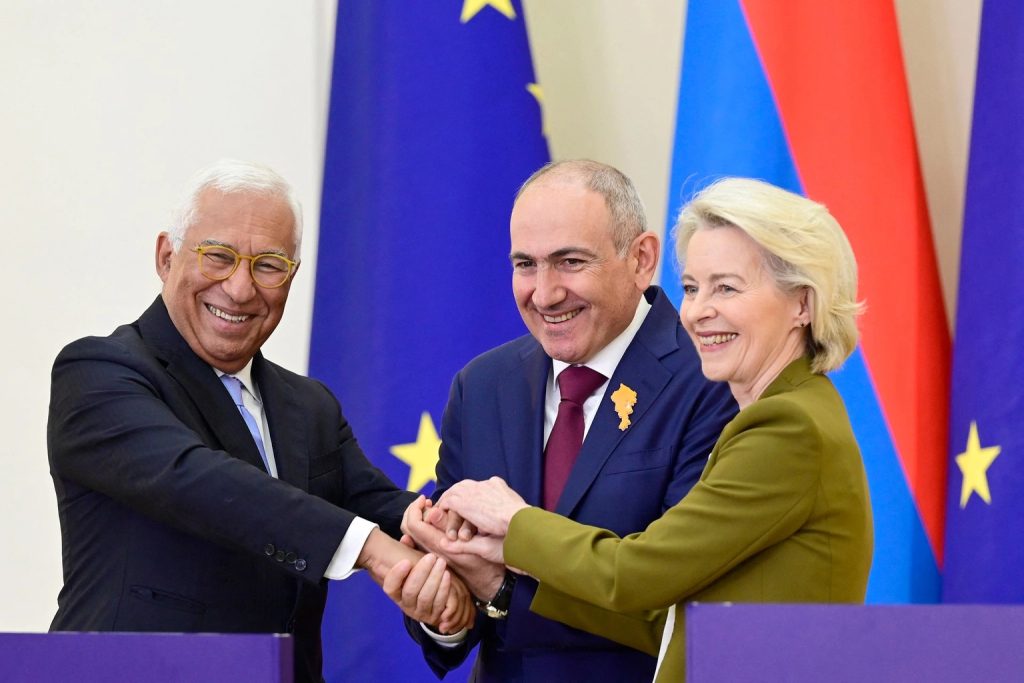
Armenia’s recent parliamentary election signals a decisive pivot toward the West, overcoming significant Russian economic and political interference. However, the path to a durable peace with Azerbaijan remains constrained by constitutional bottlenecks. Washington now faces a critical opportunity to provide diplomatic support, ensuring this democratic transition successfully consolidates.