Three years after the October 7 attacks, public assessments of the outcome remain divided. A Channel 13 survey found that only 37 percent of Israelis believe their country defeated Hamas, while half saw no clear victor or expressed uncertainty. This gap between military claims and popular sentiment reveals more than battlefield ambiguity. It signals a deeper transformation in how Israeli society views itself and its place in the world.
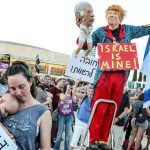
The response to the massacre accelerated long-standing tensions. Hostility once directed mainly at external adversaries now targets Arabs as a category, international critics, and domestic opponents who question policy. Rhetoric that once stayed on the margins has moved into the political center. Calls for emptying Gaza or permanent expulsion, previously limited to small parties, now appear in mainstream platforms. Moshe Feiglin, long considered an outlier, holds a senior position on a major right-wing list and openly advocates leaving the territory vacant. Similar figures have gained visibility without the isolation that once confined them.
These shifts carry concrete costs beyond politics. War spending has pushed Israel’s public debt higher, with the debt-to-GDP ratio rising to 68.6 percent by the end of 2025, according to Finance Ministry data. Elevated defense outlays and interest payments risk crowding out civilian priorities for years. Education and healthcare budgets face pressure as resources remain committed to security needs that show little sign of returning to pre-war levels.
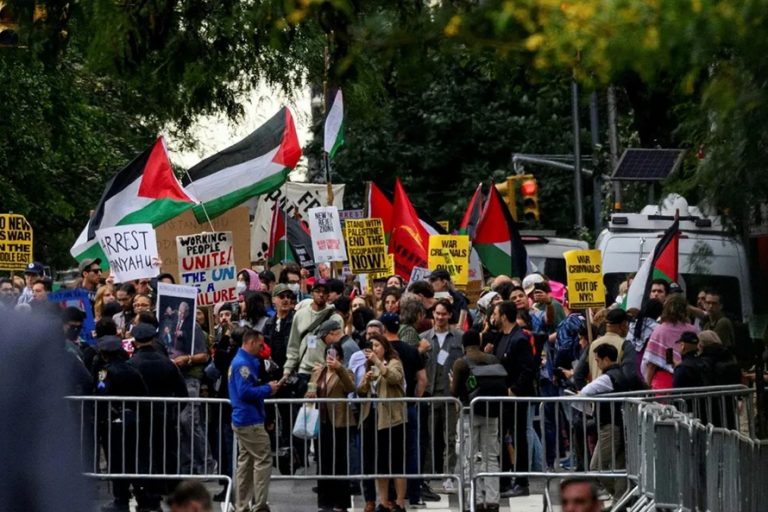
The external consequences have been equally stark. Israel has become more isolated diplomatically than at any recent point. European governments imposed restrictions on settlement goods and expanded discussions of sanctions. Walkouts during United Nations addresses underscored the loss of support among many traditional partners. In the United States, favorable views of Israel have declined sharply. Pew Research reported that 60 percent of Americans now hold an unfavorable opinion, a substantial increase from earlier years, with particularly steep drops among younger adults.
Prime Minister Benjamin Netanyahu has described the need for Israel to function as a “Super Sparta,” emphasizing self-reliance in arms production amid potential restrictions. The phrase, later walked back as a slip, still captures a trajectory toward a more militarized economy and society. Analysts note the associated risks of skilled emigration and strained relations with neighboring states that once maintained formal peace agreements. Expansion of the Abraham Accords has stalled, even as existing partners have not fully severed ties.
The original attack destroyed much of Gaza and caused tens of thousands of Palestinian deaths, according to health authorities whose overall counts Israeli officials have described as broadly accurate. Yet the societal and strategic effects inside Israel have proven more durable than any single tactical setback. Internal cohesion has frayed while external partnerships have weakened. Future governments will inherit higher debt loads, hardened public attitudes, and reduced diplomatic flexibility. These conditions suggest that the long-term balance of the conflict will depend less on military outcomes than on whether Israeli society can reverse the trajectory set in motion after October 7.
Original analysis inspired by Ruvik Rosenthal from Haaretz. Additional research and verification conducted through multiple sources.