
US Russian Diesel Deal Exposes Europe’s Costly Energy Shift
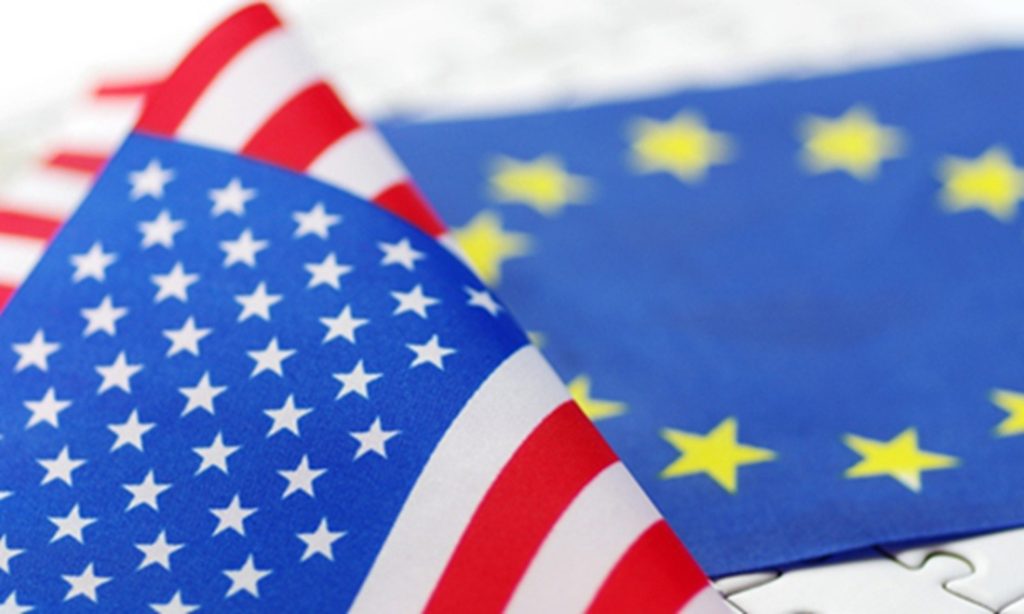
A temporary U.S. license permitting Russian diesel sales highlights a growing divide with European allies. While Washington seeks short-term domestic price relief, Europe remains committed to strict sanctions, balancing long-term security goals against the mounting economic strain on households and energy-intensive industries.
Turkey Pakistan Support Tests Saudi Air Defenses
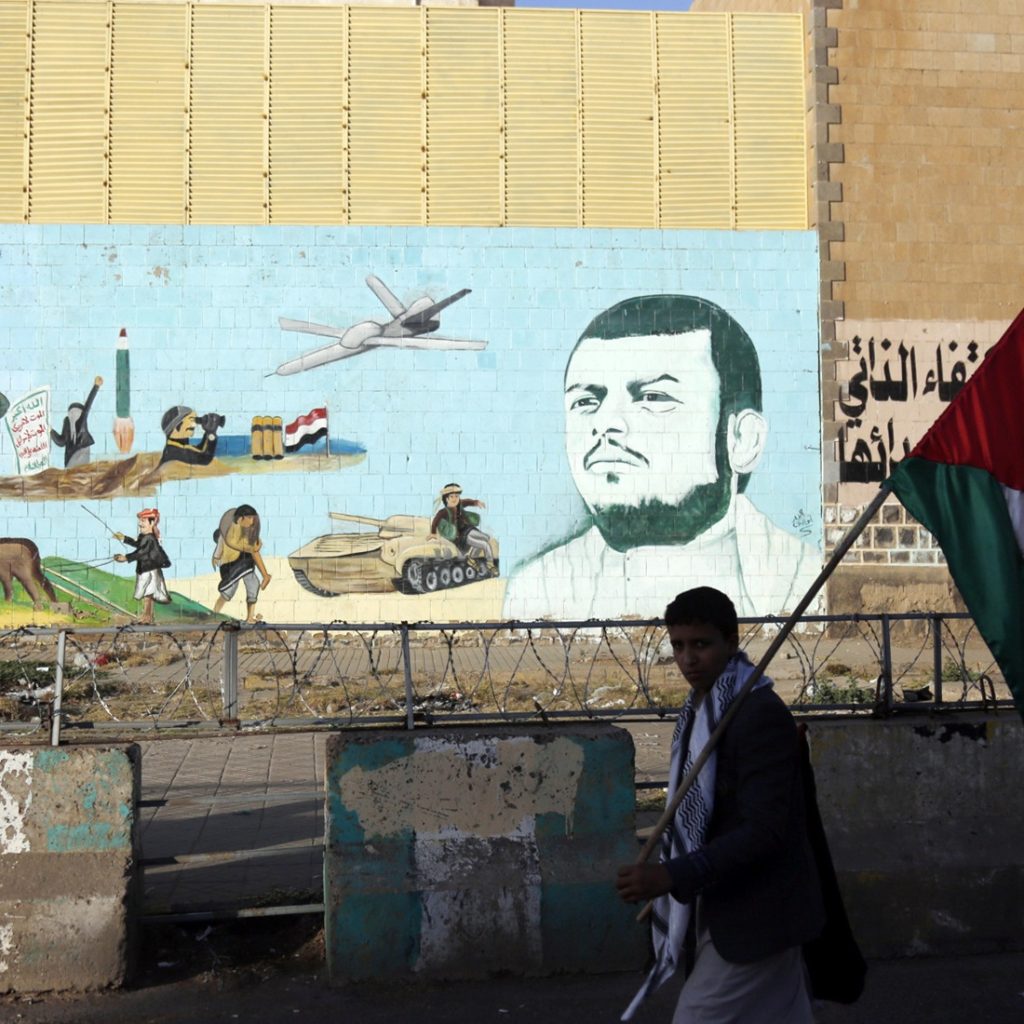
A deadly missile strike on Riyadh’s airport has triggered an early test of the Mecca Joint Defence Agreement. As Turkey and Pakistan consider reinforcing Saudi air defenses, operational hurdles and regional diplomacy complicate efforts to secure key civilian sites against persistent drone and missile threats.
Trump Diesel Deal Offers Little Relief or Leverage
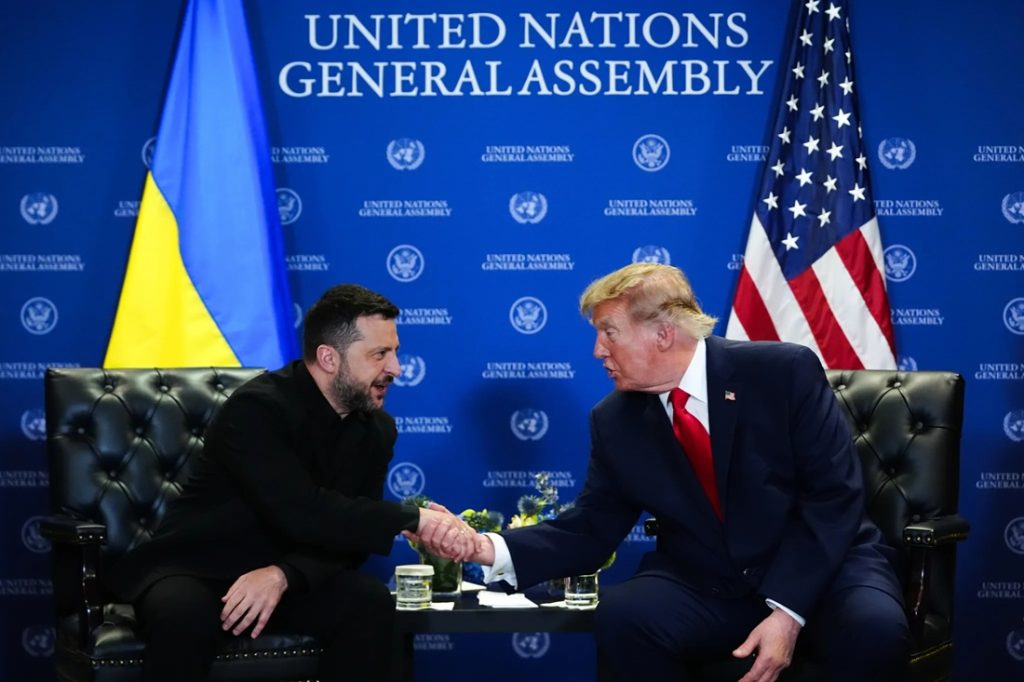
A controversial U.S. agreement allowing Russian diesel imports offers little hope for easing record domestic fuel prices. With volumes covering only a fraction of U.S. demand and Ukrainian strikes continually disrupting Russian refining capacity, the deal highlights the limits of selective sanctions relief.
Treasury Interventions Fail to Ease Rising US Yields
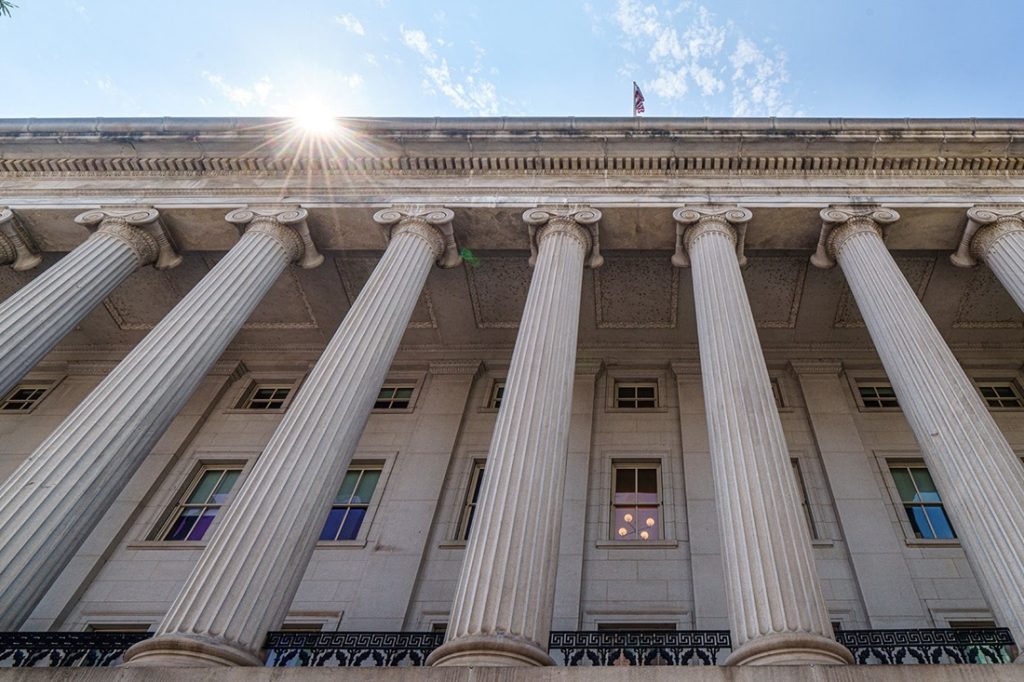
Despite targeted interventions by the U.S. Treasury, long-term borrowing costs continue to surge. Driven by massive public debt issuance, aggressive AI capital expenditure, and elevated global energy prices, rising yields are tightening financial conditions and pressuring markets worldwide.
Sinwar’s Strategic Win Reshapes Israeli Society
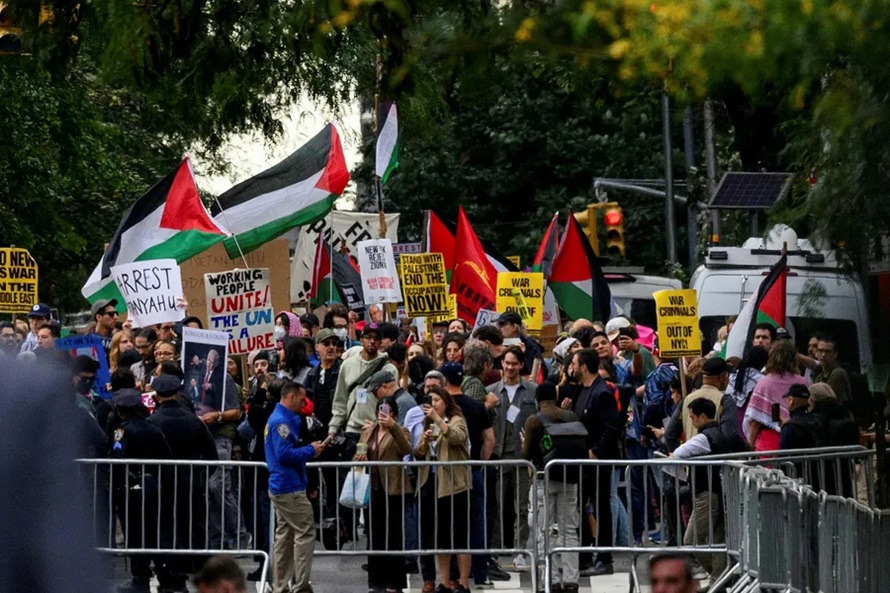
Three years after October 7, public doubts over victory, mounting economic strain, and growing diplomatic isolation are fundamentally reshaping Israeli society. As political rhetoric hardens and international ties weaken, long-term stability depends increasingly on internal cohesion rather than military outcomes alone.
Pentagon Plan to Livestream Military Execution Raises Legal and Practical Questions
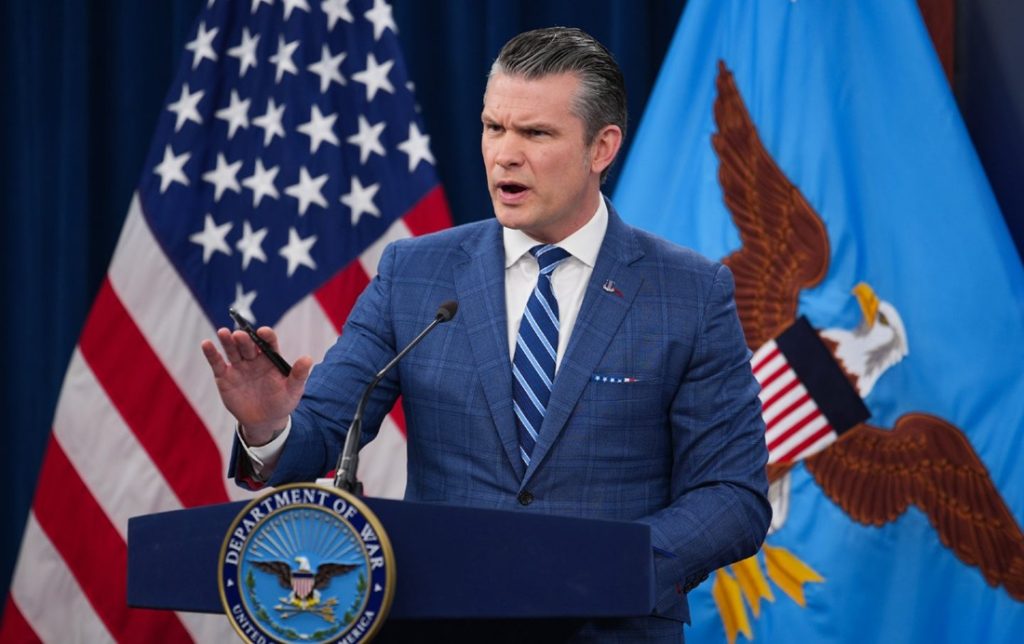
A controversial Pentagon proposal to publicly livestream the execution of convicted Fort Hood shooter Nidal Hasan has sparked major debate. The plan challenges decades of military protocol and raises critical legal, ethical, and digital distribution concerns regarding the public display of capital punishment.
a Lasting Shift in Gulf Security
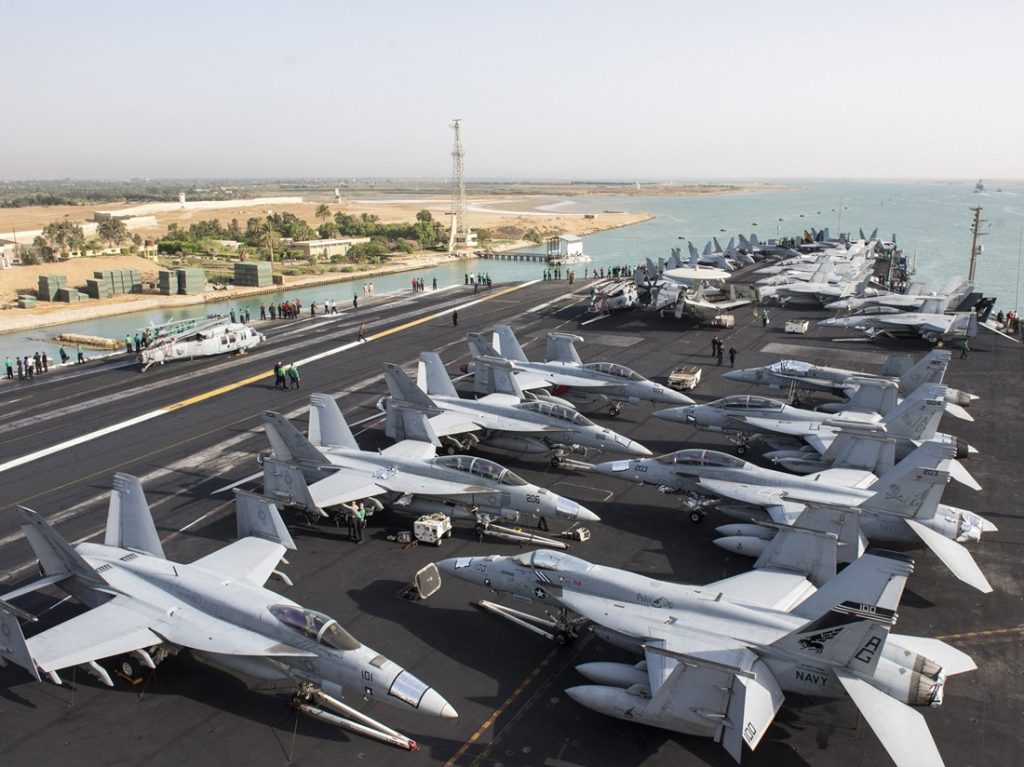
A deadly missile strike on Riyadh’s airport marks a critical turning point for Gulf security. As regional tensions disrupt aviation, energy markets, and tourism, the assumption that Gulf hubs remain safe from war faces unprecedented challenges.
10 Things Nobody Tells You About Geopolitics

Analysis: The briefing deconstructs conventional Western narratives by spotlighting the systemic limits of Washington’s unipolar model amidst rising regional multipolarity. It underscores how non-aligned states leverage critical supply chains to dilute historic sanctions regimes and preserve sovereign decision-making. Strategically, this highlights how institutional fragmentation accelerates systemic multipolar transitions across Eurasia and the Global South.
America is Killing Itself
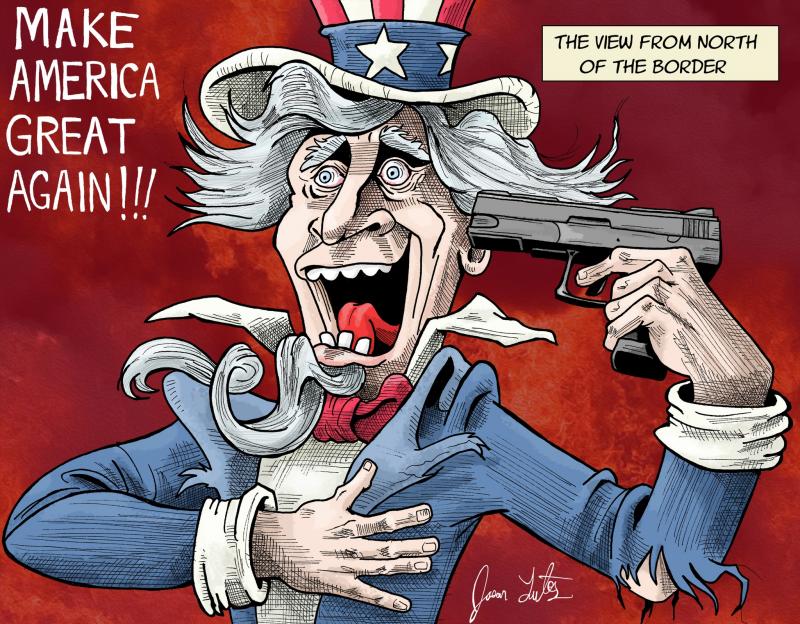
Analysis: Drawn from an external northern neighbor’s vantage point, the cartoon frames modern American populism and intense domestic hyper-partisanship not as national revitalization, but as acute institutional self-destruction. Uncle Sam’s deranged expression and self-inflicted threat reflect the view that the greatest existential danger to American hegemony comes from internal societal decay rather than external rivals. It underscores how unbridled internal polarization accelerates the decline of the state’s global standing and domestic stability.
Backstabbing
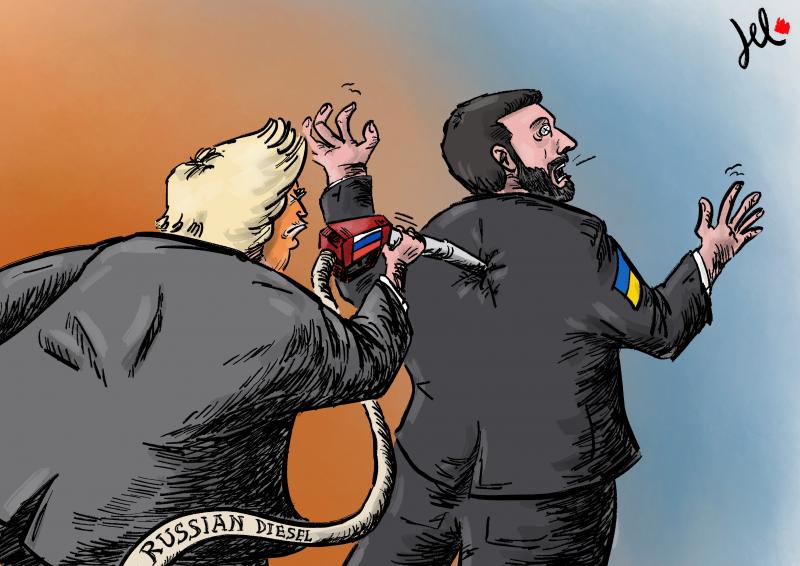
Analysis: The illustration uses the visual trope of a literal backstab to critique Western and European duplicity regarding energy sanctions against Moscow. While political leaders outwardly pledge diplomatic and military solidarity to Kyiv, secondary energy flows and the continued reliance on Russian-refined diesel effectively undercut Ukraine’s wartime strategy. The piece highlights how commercial dependency and energy realpolitik quietly compromise stated geopolitical alliances.