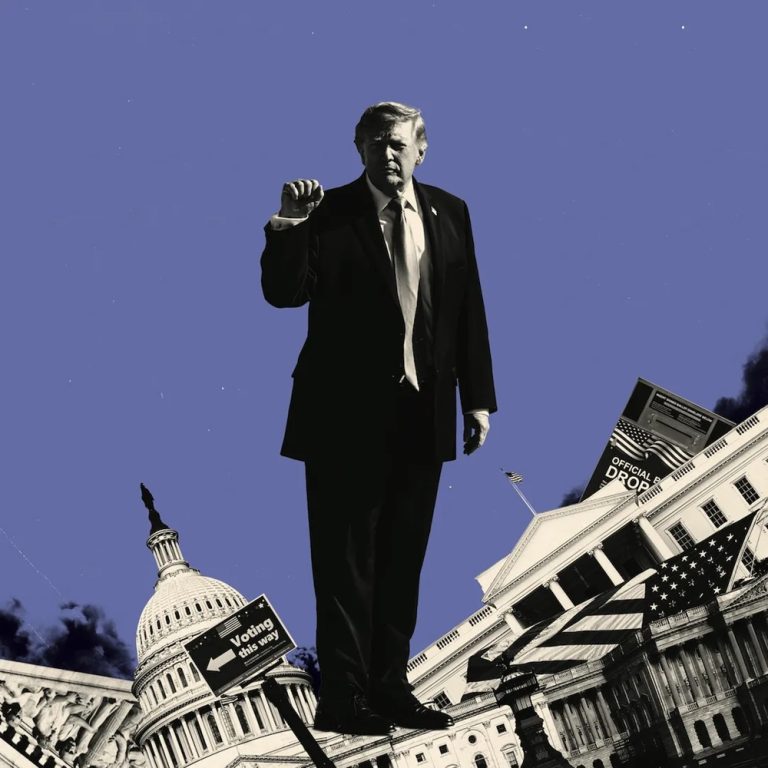
Indicators of Democratic gains in the approaching midterm elections are widespread, though forecasts remain uncertain given the influence of large donors and the volatility of polling. Should the results produce a significant shift in congressional control, Donald Trump would face clear constraints on his authority. The institutions and policies altered during his term would still require sustained effort to restore or reform.
Earlier arguments that treated Trump’s style as merely vulgar or continuous with that of prior presidents have given way to wider recognition of its distinctive effects. His approach has included pressure on universities, cultural organizations, and news outlets, alongside repeated challenges to legal norms. Wealth accumulation by family members and associates has drawn attention through ventures ranging from digital assets to access arrangements involving foreign interests. Attorney General Todd Blanche, when asked whether he would refuse a request that crossed an ethical or legal line, stated that the President would never make such a request.
Observers have noted changes in the President’s public demeanor, including late-night communications and physical presentation, that differ from earlier patterns. More consequential is the cumulative record of decisions. Cuts to the U.S. Agency for International Development ended programs previously linked by researchers to reductions in deaths from malaria, polio, malnutrition, tuberculosis, and HIV. Estimates associated with these reductions range into the hundreds of thousands of additional deaths, according to analyses by public health specialists, including Atul Gawande.
These outcomes have reinforced critiques that American practice undercuts claims of exceptionalism. Threats toward Greenland or Canada, and efforts to shape media ownership, align with arguments advanced by foreign leaders that the United States prioritizes its interests over consistent standards. Technology executives who attended the inauguration and contributed to related projects further illustrate the concentration of private influence. The combination of institutional pressure and personal commercial activity has left measurable effects on both domestic governance and international standing.
James Madison observed that no form of government can secure liberty or happiness without virtue in the people. The November 3 election offers one measure of whether that condition still holds in sufficient strength to alter the present course. Regardless of the result, the preceding period has produced lasting changes in administrative capacity, public trust, and the practical reach of federal programs.
Original analysis inspired by David Remnick from The New Yorker. Additional research and verification conducted through multiple sources.