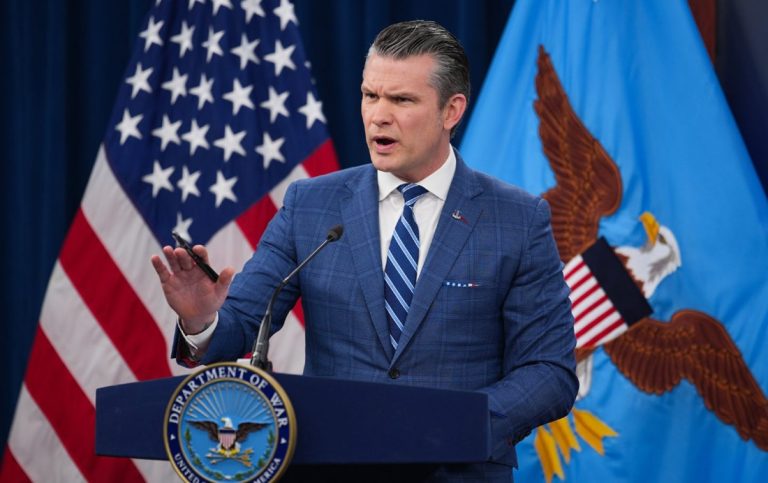
Defense Secretary Pete Hegseth has stated that the firing-squad execution of Nidal Hasan will be made public and livestreamed. Hasan, a former Army major and psychiatrist, was convicted in 2013 of the 2009 Fort Hood shooting that killed 13 people and wounded dozens more. President Trump approved the death sentence earlier this month, and the Army has scheduled the execution for December 3 at Fort Hood itself. If carried out, it would be the first U.S. military execution since 1961 and the first by firing squad since World War II.
The proposal marks a clear break from long-standing American practice. The last widely attended public execution in the United States occurred in 1936 in Owensboro, Kentucky. Since then, executions have been conducted behind prison walls with tightly restricted witness lists that typically include selected officials, family members, counsel, and a limited number of media representatives. Army Regulation 190-55, which governs military executions, specifies authorized witnesses and bars anyone under 18 from attending. A federal statute separately prohibits the recording or broadcasting of executions in the civilian federal prison system. Military rules have not previously applied an identical ban, yet no prior lawful U.S. execution has been livestreamed to a general audience.
Legal experts note that an open internet broadcast would raise immediate practical problems. An unrestricted stream could reach minors, conflicting with the spirit of the Army regulation. Social media platforms maintain policies against posting execution footage, though enforcement is uneven and copies could still circulate widely. In the United Kingdom, the Online Safety Act seeks to limit children’s exposure to extreme violent content online. Courts in the United States have repeatedly rejected media requests to film or broadcast executions, holding that any First Amendment right of access does not extend to cameras inside the execution chamber.
Hegseth has described the public nature of the event as a way to demonstrate serious consequences for the crime. Critics from across the political spectrum have questioned whether a livestream advances that goal or instead creates a spectacle that could be viewed and redistributed by audiences far beyond the original witnesses. International comparisons are limited: while some countries still conduct public executions before local spectators, death-penalty researchers have found no clear precedent for a government livestreaming a judicial execution to a global audience. Footage of extrajudicial killings by groups such as ISIS or the Wagner Group has circulated online in the past, but those cases were not lawful state executions.
The decision also arrives after a period of turnover in senior military legal and command positions. Whether the livestream proceeds as described will depend on further legal challenges, technical arrangements, and any restrictions the Pentagon ultimately imposes on access. Even if the broadcast is limited or delayed, the announcement itself has reopened a long-closed debate about how openly a modern democracy should display the final act of capital punishment. The practical effects on public understanding of military justice, the potential for wide redistribution of the footage, and the tension with existing regulations will become clearer only if and when the execution is carried out.
Original analysis inspired by Sasha Abramsky from The Nation. Additional research and verification conducted through multiple sources.