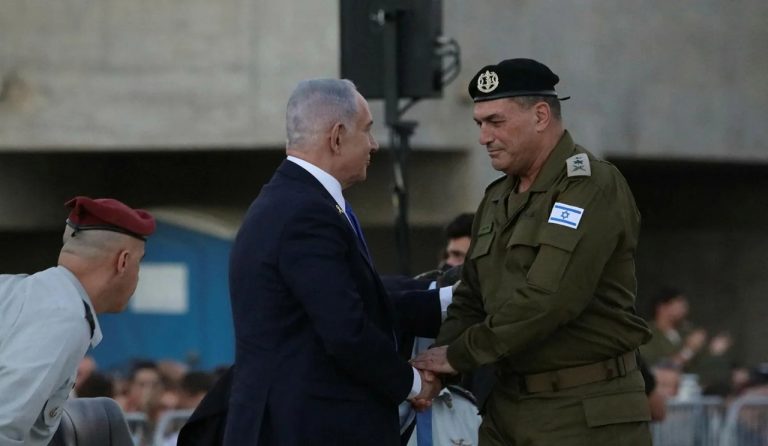
The structural relationship between political leadership and the armed forces in Israel faces unprecedented strain as the nation approaches a highly polarized national vote. Civil and military authorities historically operate through a delicate balance of mutual understanding and shared strategic objectives. Current dynamics suggest that domestic electoral survival now dictates major strategic defense decisions. This growing friction threatens to compromise institutional integrity and regional stability.
Previous defense leaders consistently resisted pressure to launch massive operations just weeks before citizens cast their ballots. Tense confrontations occurred in recent years when political figures demanded aggressive maneuvers in Gaza primarily to boost domestic approval ratings. Security cabinets and legal advisors successfully intervened to block sudden military escalations that lacked broad strategic consensus. These institutional safeguards protected the armed forces from becoming direct instruments of partisan campaigning.
Erosion of Institutional Independence
The contemporary defense establishment appears increasingly susceptible to external political manipulation. Security analysts frequently observe that current cabinet ministers actively undermine the authority of uniformed personnel on a daily basis. The highest ranking generals have supported expansive military engagements across multiple fronts without securing clear diplomatic exit strategies. This continuous deployment exhausts active duty soldiers and severely damages long term defensive capabilities.
Critics argue that the General Staff currently lacks the resolve to challenge dubious operational demands. A recent string of expansive operations into northern territories and beyond reflects a concerning alignment with narrow political timelines. Public opinion surveys reveal widespread skepticism regarding the true motivations behind these continuous military deployments. Maintaining public trust remains essential for any democratic nation engaged in prolonged armed conflict.
Navigating Future Security Risks
The upcoming electoral contest promises to introduce immense pressure upon the military command structure. Senior generals must prepare to reject operational directives that serve private political interests rather than genuine national security needs. Establishing firm boundaries will require significant institutional courage from defense planners facing daily political hostility. The global community closely monitors these developments as they heavily influence broader Middle Eastern stability.
Preserving military independence requires returning ultimate strategic authority to the broader security cabinet rather than individual politicians. Israeli law clearly designates the collective government as the supreme commander of the armed forces to prevent unilateral overreach. Adhering strictly to these legal frameworks will help insulate tactical decisions from the volatility of campaign rhetoric. The ultimate responsibility rests with military leaders to prioritize the safety of their citizens above all partisan considerations.
Original analysis inspired by Ofer Shelah from Haaretz. Additional research and verification conducted through multiple sources.