Tag: Intelligence

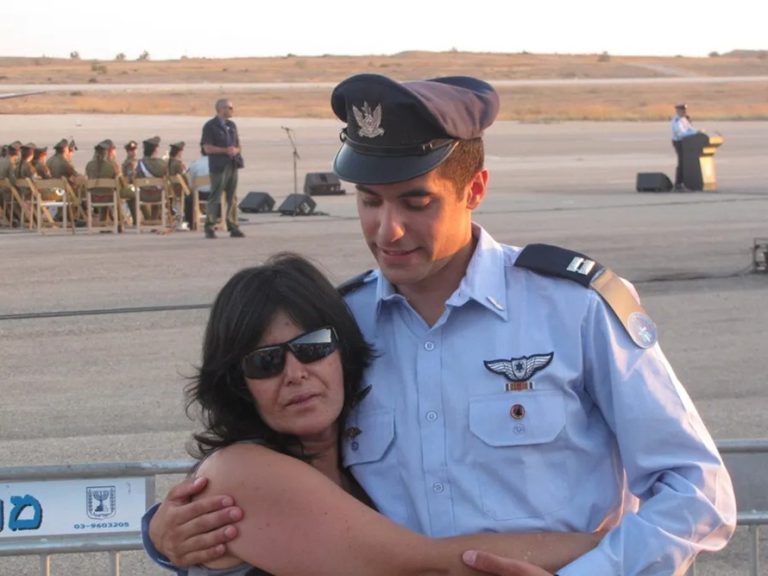
An Israeli Air Force officer in service uniform embracing a woman on an airfield tarmac

Israeli Air Force Trauma Still Goes Uncounted

After years of directing strikes from underground command posts, an Israeli combat navigator died by suicide. His family’s fight for recognition exposes the military’s reluctance to acknowledge psychological trauma and moral injury as true costs of war [suspicious link removed].

Read More »
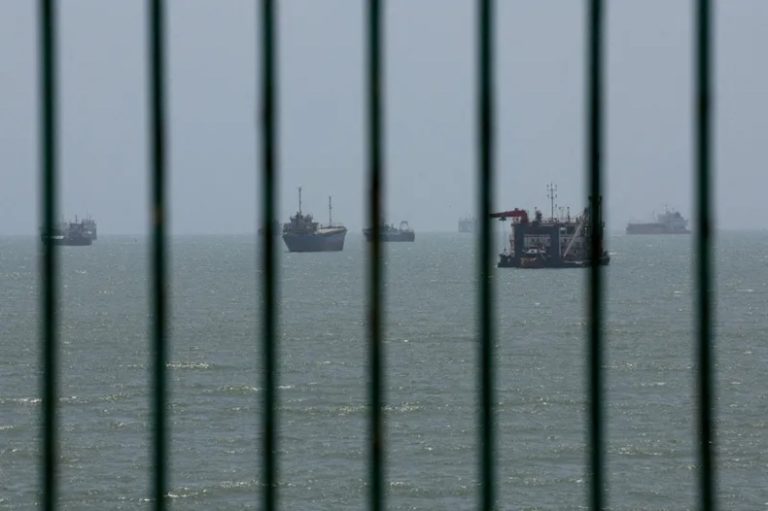
View of cargo ships floating in open water seen through a dark metal fence or grate.

Gulf Security Strategies Shift Amid Regional War

Six months of military confrontation between Washington and Tehran have shattered traditional security paradigms in the Middle East. Gulf capitals are now diversifying defense alliances and securing alternative oil export routes to protect their economies, shifting away from exclusive reliance on Western military guarantees for long-term stability.

Read More »
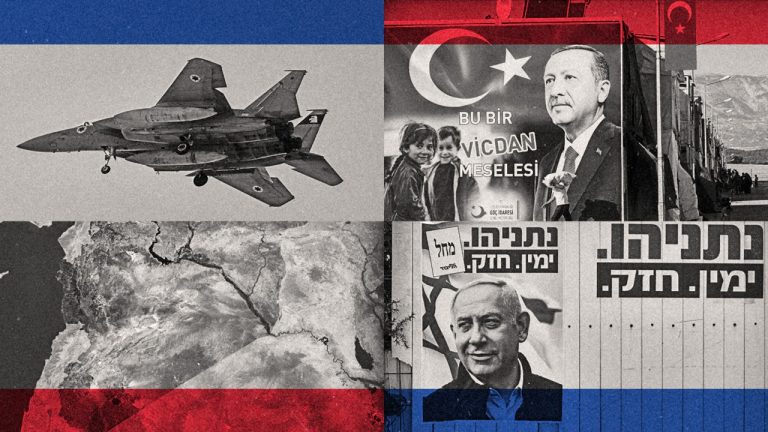
Four-panel collage featuring a military jet, map of the Middle East, and posters of Erdogan and Netanyahu.

Israel and Turkey Compete for Syrian Airspace Dominance

The collapse of the Syrian regime has triggered an intense proxy battle for aerial dominance across the Levant. As Israel conducts preemptive strikes and Turkey moves to expand its military footprint, Damascus remains helpless, leaving the region’s skies an unregulated arena for foreign confrontation.

Read More »
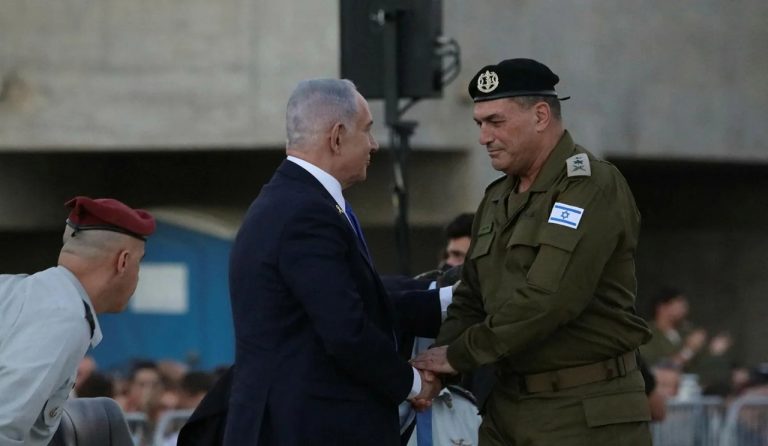
Benjamin Netanyahu shaking hands with a high-ranking Israeli military officer

Military Independence Tested by Political Pressures in Israel

As national elections approach, escalating friction between political leadership and top military commanders threatens traditional institutional boundaries. Critics warn that sacrificing long-term national security strategies for short-term political survival compromises the independence of the armed forces. Read full coverage on the dynamic shaping regional stability.

Read More »
Family members holding up framed photographs of missing individuals during a press gathering.

Trump Boat Strikes Raise Questions Over Ecuador Operations

A series of unexplained attacks on Ecuadorian fishing vessels has exposed deep accountability gaps within the US military’s counter-narcotics campaign. With human rights investigations pointing toward possible American involvement in unreported incidents, the situation highlights growing concerns over transparency, oversight, and the use of wartime powers against criminal networks.

Read More »
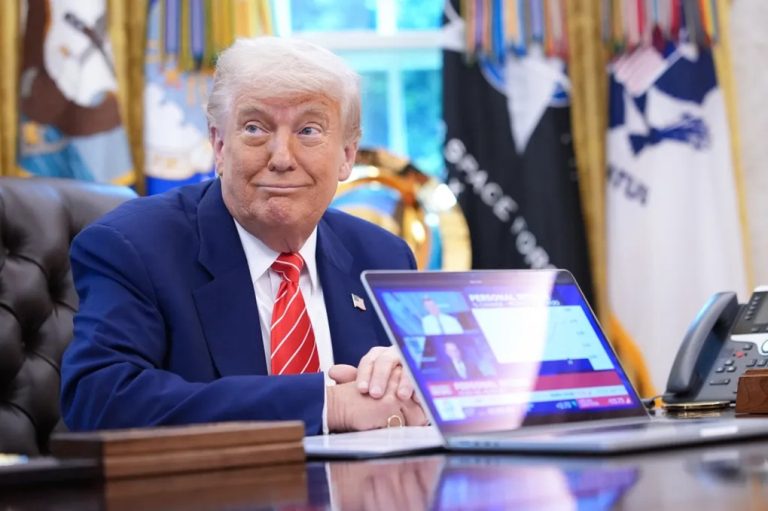
President Donald Trump sitting at a desk with a laptop displaying financial charts in the Oval Office.

Trump Cybersecurity Cuts Raise Election Risks

As the US approaches the November elections, staffing reductions and strained federal cooperation at CISA are leaving critical infrastructure and election systems vulnerable. While the administration works to rebuild technical capacity, foreign cyber threats and fractured communication channels risk eroding public trust in the voting process.

Read More »
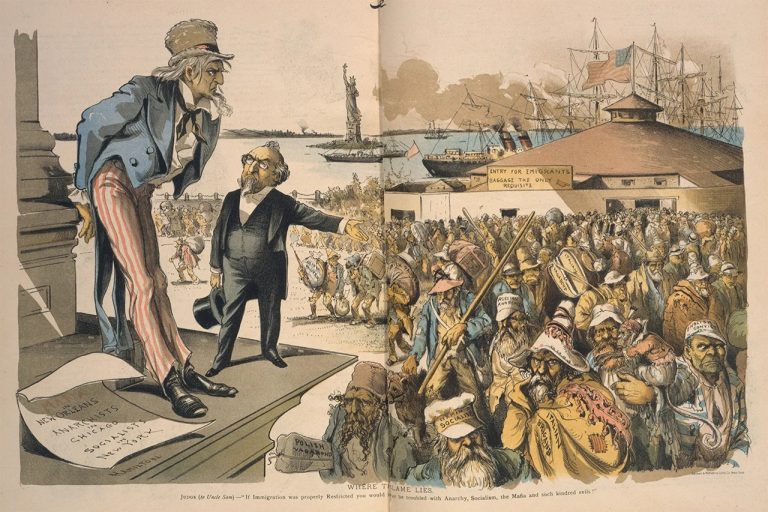
An 1894 political cartoon titled "Where the Blame Lies," showing Uncle Sam standing on a platform looking at a crowd of stereotyped immigrants entering the United States.

How America Turned the Mafia Into a Global Brand

While the United States has spent a century attempting to eradicate organized crime, it inadvertently helped construct its global framework. By standardizing criminal structures during Prohibition and exporting American enforcement models, the U.S. also cemented the “Mafia” mythology through popular culture. This article examines how the American experience transformed fragmented local traditions into a cohesive, globally recognized brand that criminal organizations worldwide continue to adopt today.

Read More »
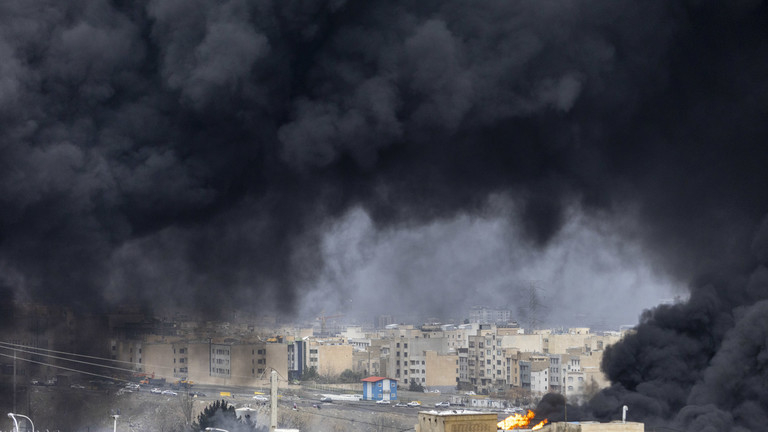
A city skyline engulfed in thick, dark smoke from an industrial fire or explosion.

UAE’s Facade of Neutrality Crumbles in US-Iran War

This analysis examines the erosion of the United Arab Emirates’ neutrality during the 2026 US-Iran conflict. By detailing the UAE’s secret military participation, integration into regional air defense networks, and the subsequent economic and security vulnerabilities created by these choices, we explore how Abu Dhabi has moved from a regional arbiter to a direct, and exposed, participant in the ongoing regional war.

Read More »

Closing America’s Gray Zone Confidence Gap

Strategic competition today is defined by influence operations and narrative battles, yet American decision-making remains plagued by institutional overconfidence. Lessons from Afghanistan highlight a failure to track analytical accuracy, suggesting that the U.S. must invest in “decision infrastructure” and forecasting systems to turn intelligence into a durable advantage.

Read More »