Recent fighting between the United States and Iran has paused under a fragile ceasefire, yet quieter forms of pressure persist across multiple regions. Economic sanctions remain a favored instrument for major powers seeking to influence adversaries without full-scale military commitment. In practice, these measures frequently impose severe hardships on ordinary citizens while delivering uneven results on stated political goals.
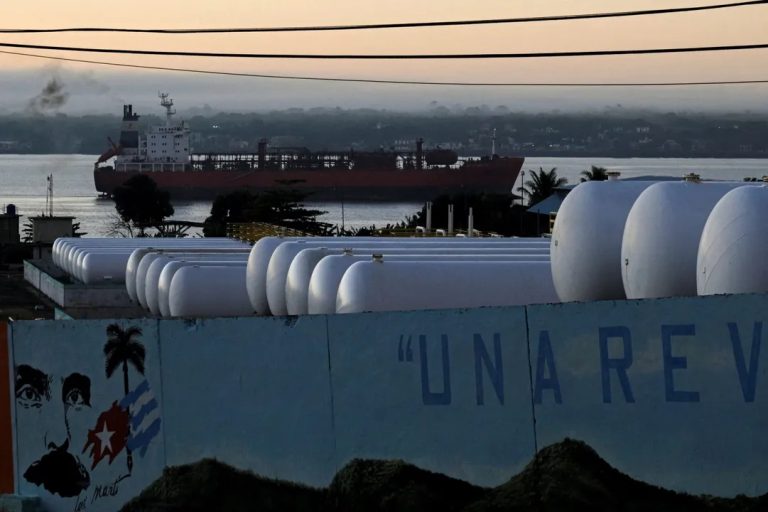
Cuba has endured the longest-standing comprehensive embargo, in place since the early 1960s. Successive U.S. administrations have tightened restrictions on trade, finance, and energy imports, with recent actions targeting third-country oil shipments following developments in Venezuela. The island has faced repeated nationwide power outages, including multiple grid collapses in early 2026, forcing hospitals to ration services and limiting access to fuel for basic needs. Cuban officials argue the policy aims to strangle the economy into submission, while Washington maintains it seeks democratic reforms.
Civilian Costs Mount Over Time
Iran offers another stark example of prolonged financial isolation. Sanctions dating back to 1979 have expanded to cover oil exports, banking, and shipping, intensifying after the 2018 withdrawal from the nuclear agreement. The Iranian rial has lost much of its value, driving inflation above 40 percent in recent years and complicating imports of medicines and medical equipment despite nominal humanitarian exemptions. Banking restrictions often deter international suppliers, leaving hospitals short on essential drugs.
A public health study published in The Lancet Global Health estimates unilateral sanctions contribute to roughly 564,000 excess deaths annually worldwide, with over half among children under five. The analysis, covering decades of data, suggests these measures produce a mortality burden comparable to armed conflicts in some years. Iraq in the 1990s illustrates the pattern: broad UN sanctions after the Kuwait invasion led to widespread shortages, prompting resignations from senior UN humanitarian officials who described conditions as catastrophic.
Strategic Effectiveness vs. Human Impact
The strategic track record raises further doubts. Sanctions rarely trigger the intended regime changes on their own. In Iran, pressure has coincided with resumed but interrupted nuclear talks, while also prompting workarounds through alternative trade networks. Cuba has adapted through limited domestic production and ties with non-Western partners, though at significant cost to living standards. Historical analysis shows that comprehensive measures can weaken state capacity without altering core policies, sometimes hardening resolve among targeted leadership.
Power Dynamics Shape Outcomes
The asymmetry is clear. Wealthy nations, particularly the United States, deploy sanctions far more frequently than others, creating a North-South divide visible in annual UN General Assembly votes condemning unilateral measures. Global South countries consistently support resolutions highlighting the humanitarian impact, while many in the Global North abstain or oppose. This pattern reflects the one-sided nature of enforcement, where secondary sanctions deter even neutral parties from engaging with targeted economies.
Recent events have amplified these tensions. The U.S.-Iran conflict, involving direct strikes amid ongoing talks, combined economic pressure with military action in ways that blurred traditional lines. In Cuba, tightened rules on energy imports have exacerbated vulnerabilities exposed by natural disasters and external supply disruptions. Such cases highlight how sanctions often operate alongside other tools rather than serving as clean alternatives to force.
As the international system grows more multipolar, targeted states are exploring new avenues to mitigate effects. Initiatives within groups like BRICS aim to facilitate trade outside traditional dollar channels, while regional partnerships offer limited buffers. These adaptations may reduce the potency of unilateral measures over time but do little to ease immediate suffering for affected populations.
The debate over sanctions ultimately turns on their purpose and effectiveness. When used to address security concerns or human rights issues, they carry moral weight, yet evidence suggests high human costs with modest policy gains. In an era of shifting alliances, greater emphasis on targeted incentives and diplomatic engagement could yield more sustainable results than prolonged economic isolation alone.
Original analysis inspired by Aya Jebari Laakel from TRT World. Additional research and verification conducted through multiple sources.