
Trump’s Military Options Are Shrinking and Iran Knows It

President Trump’s decision to impose a naval blockade on the Strait of Hormuz signals a transition to economic warfare as military options become increasingly unsustainable. Facing $2 billion in daily conflict costs and depleted missile stockpiles, Washington is struggling to maintain pressure while Iran leverages its geographic advantages and strategic patience.
Tactical Wins Fall Short in US-Israel Campaign Against Iran
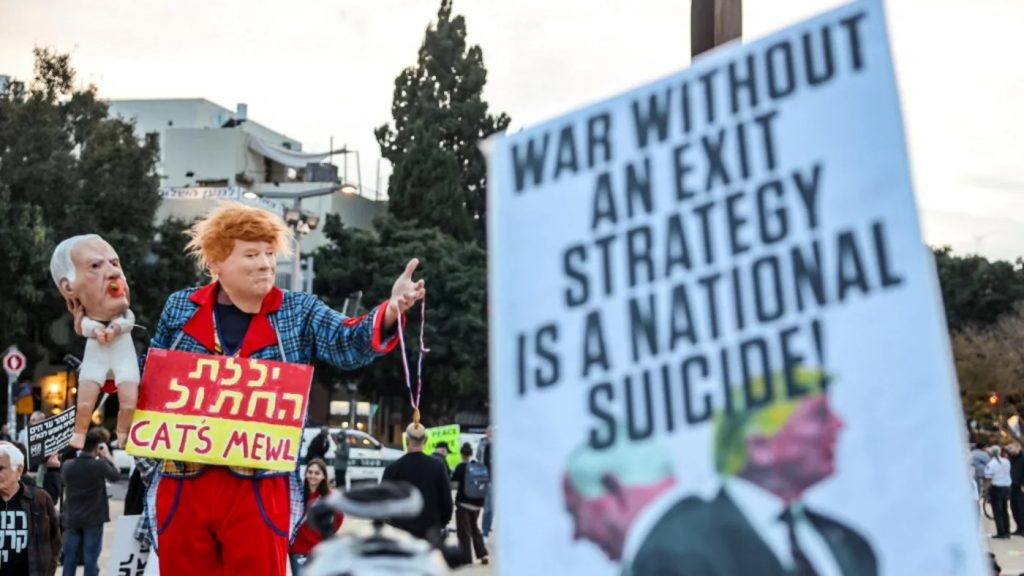
Despite significant damage to Iran’s infrastructure and leadership, the US-Israeli military campaign has struggled to achieve its broader political goals. Tehran’s survival and its strategic leverage over the Strait of Hormuz highlight the limitations of military force in securing a decisive regional realignment or regime change.
Islamabad Talks Reveal Iran-US Negotiation Deadlock
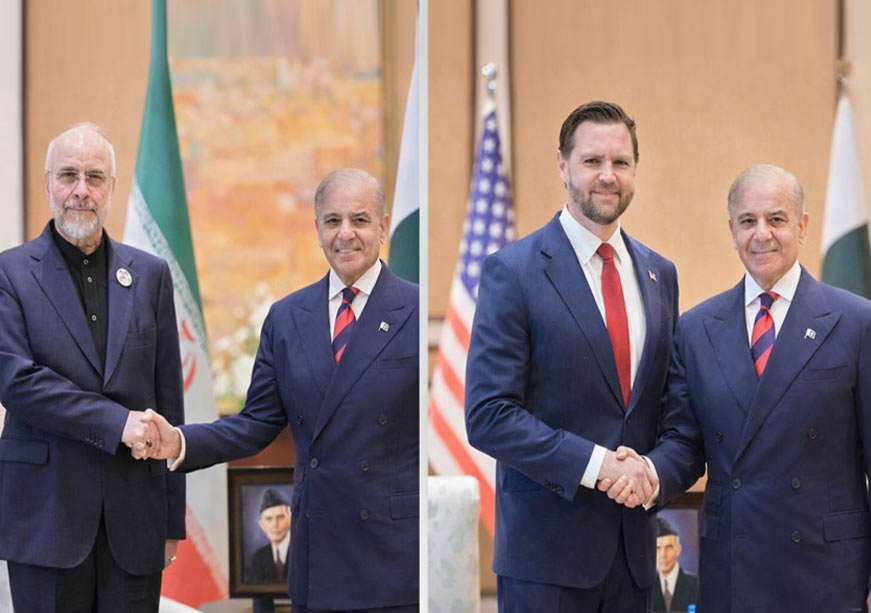
High-stakes negotiations in Islamabad between the US and Iran have concluded without an agreement. Despite a fragile ceasefire and intense mediation, core disputes over uranium enrichment, sanctions relief, and maritime control in the Strait of Hormuz continue to block the path toward a durable regional settlement.
Iran Embraces Prolonged Confrontation After Failed Talks
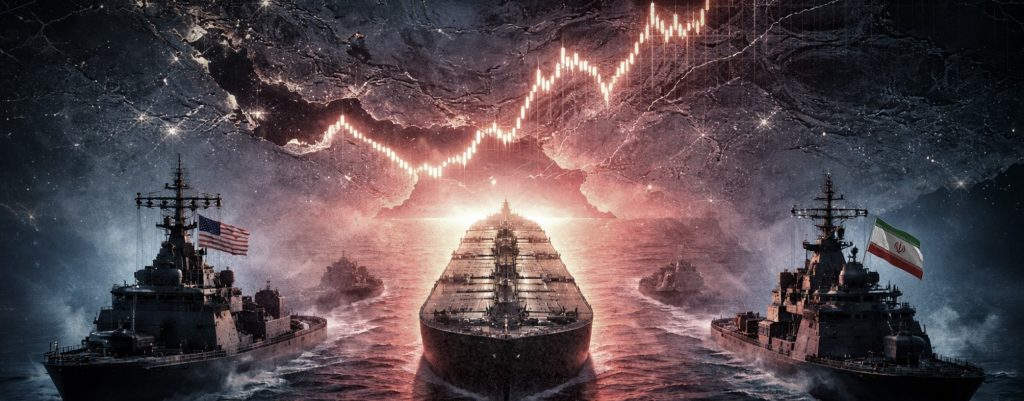
Following the failure of direct negotiations in Islamabad, Iran has embraced a strategy of prolonged confrontation. By leveraging its control over the Strait of Hormuz and betting on global energy sensitivity, Tehran aims to outlast US political cycles, turning the maritime chokepoint into a tool of strategic endurance.
China Becomes Asia’s Pivotal Energy Trader

Leveraging its massive portfolio of LNG contracts and expanding overland pipelines from Russia and Central Asia, China has become a pivotal energy middleman in Asia. By redirecting surplus supplies to neighbors during maritime disruptions, Beijing is translating energy security into significant commercial profit and regional diplomatic influence.