As António Guterres prepares to leave office at the end of December, the race to lead the United Nations unfolds amid severe institutional paralysis and deep public skepticism. Costa Rican economist Rebeca Grynspan currently leads straw polls inside the Security Council ahead of International Atomic Energy Agency chief Rafael Grossi and Guyanese diplomat Carolyn Rodrigues Birkett. Whoever wins the appointment could become the first woman to hold the post, yet gender representation alone cannot repair an institution crippled by great power impunity. Across the Global South, trust in international law has eroded sharply after years of diplomatic deadlock over devastating conflicts in Gaza and Ukraine.
Structural Limits on Moral Authority
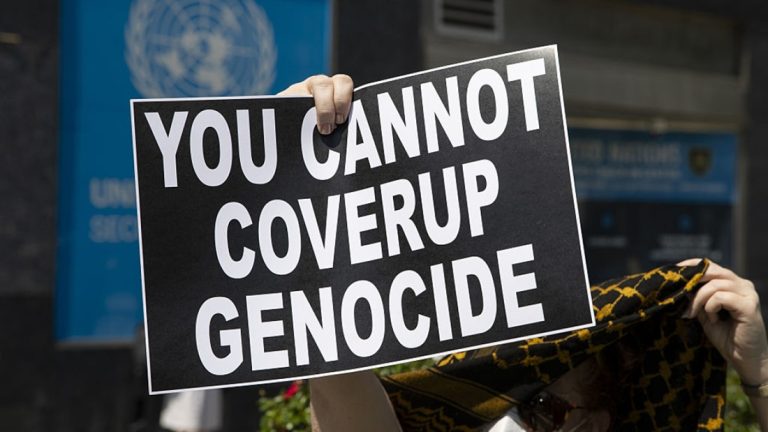
The core obstacle facing any incoming secretary general lies inside the Security Council chamber rather than the Secretariat building. Over the past three years, Washington repeatedly vetoed resolutions demanding an immediate and permanent ceasefire in Gaza, standing alone against fourteen other council members. When Guterres took the rare step of invoking Article 99 of the Charter in late 2023 to warn of humanitarian collapse, American diplomats still blocked action on the floor. Russia and China have similarly wielded their permanent vetoes on rival files, reinforcing a perception that international rules apply selectively depending on geopolitical alliances.
Financial pressure from Washington has further narrowed the operational space available to UN leadership. Confronted with steep budget shortfalls, delayed dues, and sweeping staff reductions, future UN officials must manage mounting political coercion without sacrificing humanitarian mandates. Analysts note that candidates who outlined competing visions for institutional reform still depend on unanimous permanent member consent simply to secure the job. That selection bottleneck often rewards cautious diplomacy over bold confrontation when powerful states violate humanitarian norms.
Tools for Accountability Beyond the Veto
Even within tight constitutional constraints, the next UN leader retains meaningful levers to challenge diplomatic paralysis. By invoking Article 99 early rather than waiting for full collapse, the Secretariat can force public debates that compel major powers to defend their votes before global audiences. Routing deadlocked crises toward the 193 member General Assembly also allows smaller nations to establish moral and legal records when the Security Council fails to act. Naming specific violators of international humanitarian law in official UN reporting adds vital transparency that resists diplomatic whitewashing.
True institutional renewal ultimately demands structural reform that curbs permanent member vetoes during mass atrocity situations. Until the Charter treats sovereign equality as more than a slogan, any new secretary general will struggle to restore credibility to the global order. Leadership in Turtle Bay will be judged not by ceremonial speeches, but by whether the office stands firmly beside vulnerable populations when powerful capitals look away.
Original analysis inspired by Randa Ghazy from The New Arab. Additional research and verification conducted through multiple sources.