
Shadi’s take on attempts to form a new Israeli government

Analysis: Published in The National on November 16, 2026, this editorial cartoon by Shadi Ghanim targets the political impasse gripping Israel following the October 27 Knesset elections (the full visual panel is hosted directly at the source link). By framing the coalition-building scramble as a central spectacle of Israel’s internal crisis, the cartoon underscores how deep factional divisions between rival blocs undermine coherent national policymaking at a moment of acute regional escalation. It matters because it captures regional skepticism toward Israel’s political stability and highlights how domestic paralysis shapes Tel Aviv’s strategic posture.
Israel’s Biggest Fear: A US Strike on Iran With No Warning
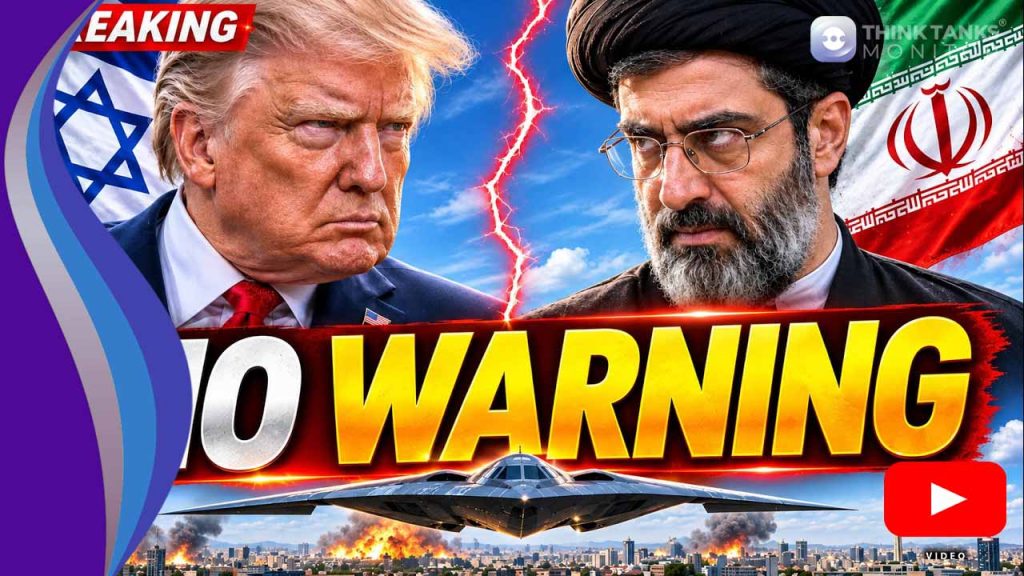
Analysis: Drawing on reporting from the Jerusalem Post, Reuters, and Wall Street Journal, this briefing details why Israel’s defense establishment fears either an unannounced U.S. strike on Iran—leaving Israeli air defenses exposed to immediate retaliation—or a diplomatic settlement that preserves Tehran’s nuclear and missile infrastructure. With Strait of Hormuz shipping down roughly 65 percent, Iranian drone alerts reaching Bahrain’s U.S. Fifth Fleet headquarters, and Prime Minister Netanyahu politically weakened after Gadi Eisenkot secured 67 Knesset backers, mutual U.S.-Israeli distrust has deepened. The analysis matters because it exposes how domestic Israeli instability and U.S. unilateralism are colliding with Axis of Resistance deterrence across multiple maritime and aerial fronts.
Defense & Aerospace Daily Podcast [Nov 16, 2026] Look Ahead w Byron Callan

Analysis: In this November 16 briefing, Defense & Aerospace Report editor Vago Muradian and Capital Alpha Partners analyst Byron Callan assess how fiscal and political pressures in Washington—including Democratic pushback against a $1.15 trillion Pentagon budget—intersect with shifting great-power diplomacy. The discussion highlights how U.S. maneuvering on Ukraine is straining allied cohesion while Moscow maintains maximalist demands on NATO’s 1997 borders, even as Xi Jinping, Donald Trump, and Vladimir Putin prepare to meet at the Shenzhen APEC summit. It matters because it links U.S. defense-industrial limits, Nvidia’s AI leadership shakeup, and trilateral great-power bargaining into a single picture of an increasingly contested, multipolar strategic landscape.
Europe Needs Joint Offline Digital Currencies for Blackouts

Europe’s rapid shift toward cashless payments leaves citizens vulnerable during power blackouts and cyberattacks. As Brussels and London build separate digital currency models, aligning technical standards and conducting joint blackout tests is essential to keep everyday commerce running when grids fail.
Why an AI Hotline Alone Cannot Prevent US China Crises
As Washington and Beijing prepare to advance an emergency AI incident channel ahead of the APEC summit in Shenzhen, Cold War history shows that direct hotlines fail without shared rules of restraint. Overcoming deep distrust and fast-moving cyber risks requires joint technical simulations, clear reporting thresholds, and stronger domestic oversight—not just summit announcements.
US Military Alignment Leaves Manila Exposed in Crisis
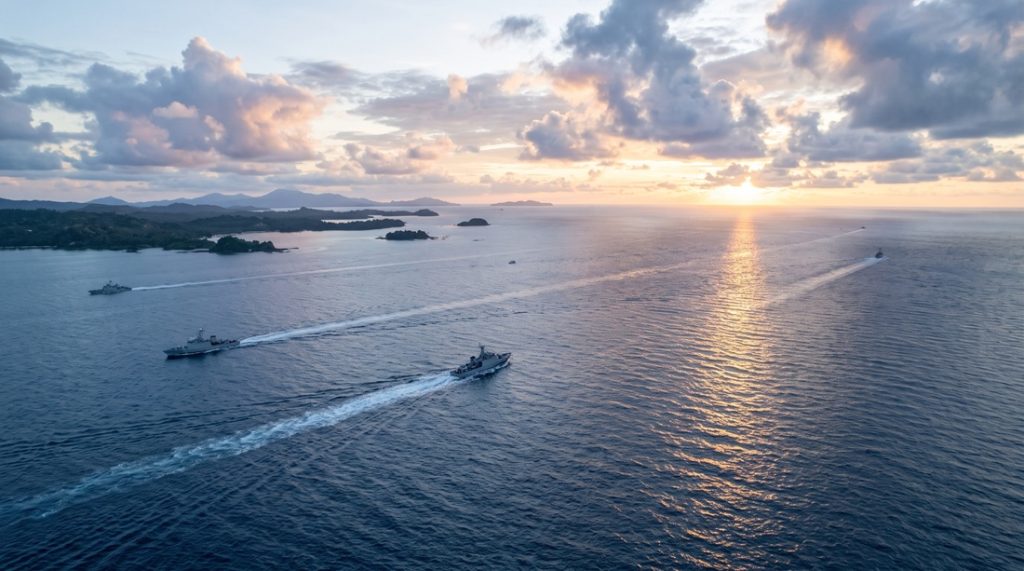
As world leaders gather in Manila for the 49th ASEAN Summit and a revived Quad meeting, deeper U.S. military alignment risks leaving the Philippines exposed. Because the 1951 Mutual Defense Treaty does not guarantee automatic retaliation, Manila must balance its alliances and safeguard ASEAN neutrality to avoid becoming a front line in great power rivalry.
Weakened at Home, Trump Faces Skeptical Asian Summits
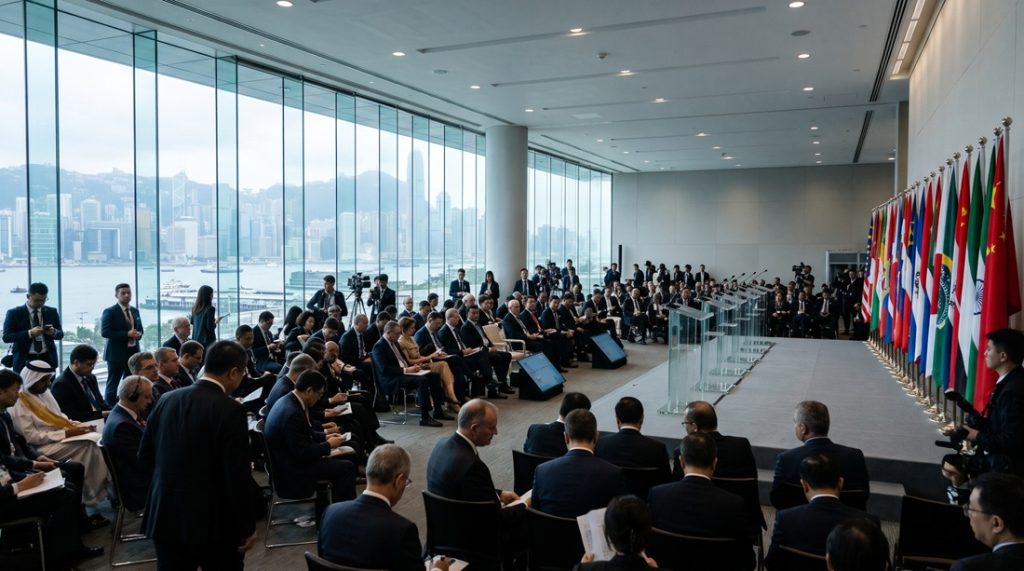
Fresh off midterm losses in Congress, President Donald Trump heads to summits in Manila and Shenzhen facing skeptical Asian leaders. Constrained by domestic opposition, tariff friction, and pushback against U.S. tech containment, Washington struggles to secure lasting agreements as regional partners hedge their bets and expand independent ties.
Saudi Arabia Reshapes Gulf Security Through Hedging

Saudi Arabia is reshaping Gulf security by moving away from sole reliance on Washington toward a flexible hedging strategy. By maintaining direct diplomatic channels with Tehran while forging a new mutual defense pact with Turkey and Pakistan, Riyadh aims to protect its economic future and manage regional crises on its own terms.
Can the Next UN Chief Overcome Security Council Vetoes
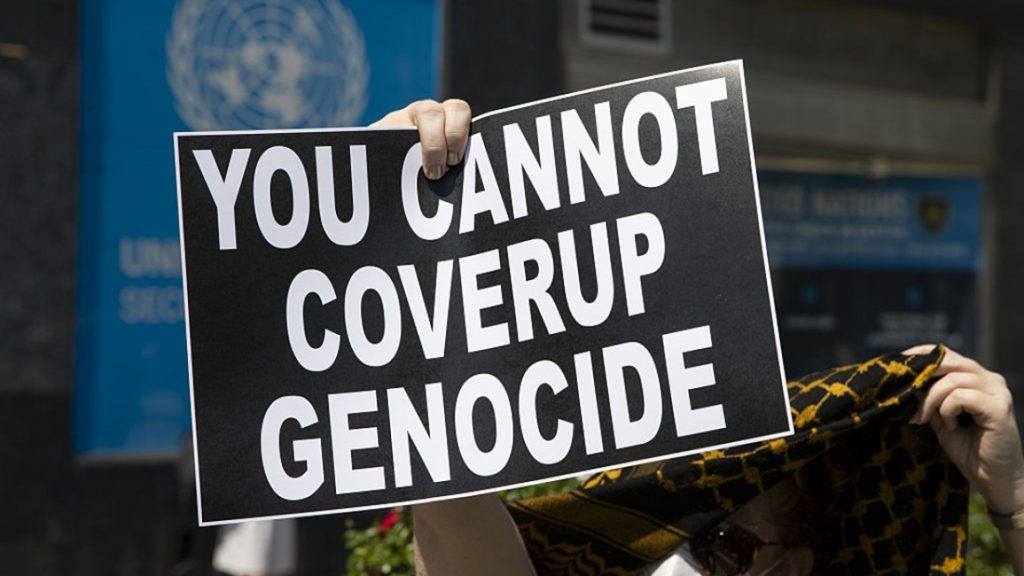
As António Guterres prepares to step down, the race to become the next UN Secretary-General unfolds amid deep global skepticism and Security Council deadlock. While Rebeca Grynspan leads current straw polls, any incoming leader faces severe budget cuts and permanent member vetoes—meaning true institutional renewal requires bold diplomacy and structural reform beyond the Security Council.
Shifting US Public Opinion Threatens Israel Aid
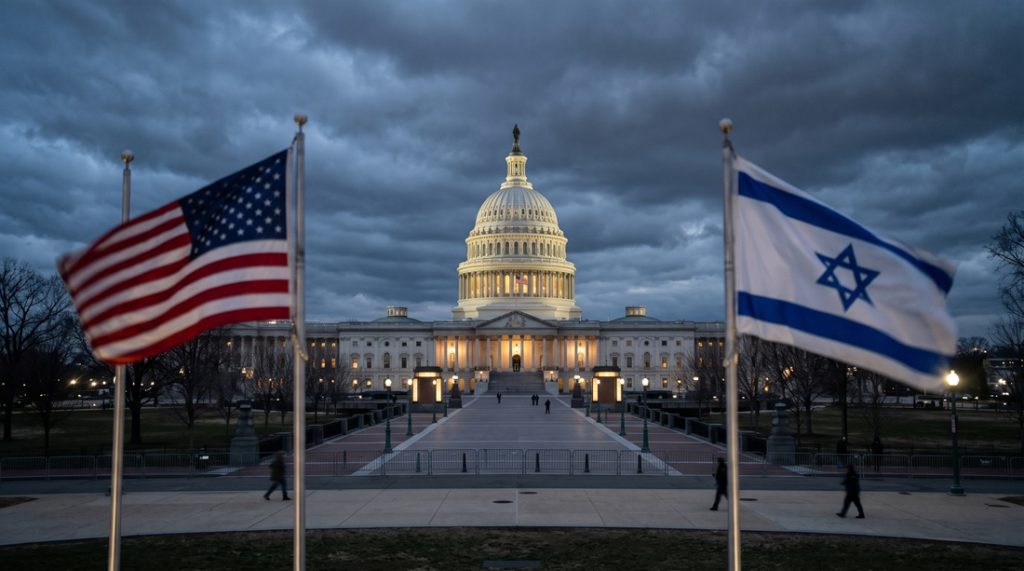
Public support for Israel in the United States has dropped to historic lows, putting billions in annual military aid at risk. As partisan divides widen and global criticism grows, lawmakers in Washington face mounting pressure to limit arms sales unless Israel halts settlement expansion and pursues a lasting political resolution.