Tag: Economic Crisis

A close-up, blue-tinted macro shot of a United States one-hundred-dollar bill featuring the words "In God We Trust".

The Dollar Won’t Crash — But History Says It Will Fade

Drawing on the historical template of the British pound, this article examines why the dollar’s decline will likely be a prolonged, punctuated process rather than a sudden collapse. By analyzing shifting trade dynamics, reserve currency patterns, and recent market behavior during geopolitical stress, we explore how structural economic forces are gradually eroding the dollar’s global hegemony, even as it remains deeply embedded in current financial systems.

Read More »
A person holding a small American flag in a public gathering.

Americans Are Leaving and It Is Not Just About Trump

This article examines the surge in American emigration, moving beyond political narratives to analyze the structural factors driving citizens abroad. From the remote work revolution and cost-of-living arbitrage to record-level citizenship renunciations, Americans are increasingly concluding that the country’s core challenges—housing, debt, and cultural fragmentation—are no longer solvable through the traditional electoral process.

Read More »
Close-up of a person's hands counting United States dollar banknotes.

The Dollar Is Dying and The World Is Renegotiating Its Price

This analysis explores the structural and psychological erosion of the U.S. dollar’s role as the foundation of global finance. With U.S. federal debt exceeding critical thresholds and interest payments increasingly consuming the federal budget, the traditional framing of a “strong dollar” is facing unprecedented political scrutiny. We examine the tensions within Washington as policymakers weigh the benefits of currency depreciation to boost domestic manufacturing against the risk of alienating foreign creditors. This report details the global response—from diversified central bank reserves to the rise of non-dollar trade—and assesses whether the dollar can maintain its status as the world’s risk-free asset in a new era of managed currency competition.

Read More »
A wide view of a G20 summit conference hall featuring flags and representatives from various nations.

The Case for a Third Economic Pole Without the US or China

This analysis examines the recent Chatham House report, Saving global economic governance from the ‘Trump shock’, which advocates for the creation of a “third economic pole” in the global financial system. As the U.S. and China increasingly weaponize economic policy and dismantle multilateral institutions, the report argues that market-oriented middle powers must move beyond ad-hoc “variable geometry” coalitions. By establishing a standing alliance between the European Union and the 12 CPTPP member states, these nations could create a stable, rules-based trade bloc large enough to maintain economic openness and resilience independently of the two competing hegemons.

Read More »
A city skyline engulfed in thick, dark smoke from an industrial fire or explosion.

UAE’s Facade of Neutrality Crumbles in US-Iran War

This analysis examines the erosion of the United Arab Emirates’ neutrality during the 2026 US-Iran conflict. By detailing the UAE’s secret military participation, integration into regional air defense networks, and the subsequent economic and security vulnerabilities created by these choices, we explore how Abu Dhabi has moved from a regional arbiter to a direct, and exposed, participant in the ongoing regional war.

Read More »
European political leaders walking and conversing during a diplomatic meeting regarding maritime navigation.

Western Leaders Are Losing the Public

This report analyzes the deepening crisis of legitimacy facing leaders across the G7 nations in May 2026. By examining the collapse in approval ratings for figures such as Keir Starmer, Emmanuel Macron, Friedrich Merz, and Donald Trump, the article explores the common threads of public dissatisfaction—specifically the erosion of the social contract driven by persistent inflation, stagnant growth, and unaffordable living costs. With local election results in Britain signaling a major fragmentation of the traditional two-party system and similar trends emerging elsewhere, the piece evaluates whether these record-low ratings represent a temporary protest or a fundamental unraveling of the post-war political consensus.

Read More »
Miniature figures standing on puzzle pieces representing the flags of China and the European Union.

Europe’s China Trade War Temptation Is a Trap of Its Own Making

This analysis explores the intensifying debate within the European Union regarding its trade policy toward China. With a 2025 trade deficit of €359.8 billion serving as a focal point, the article examines the push by a five-nation coalition—led by France and others—for more aggressive protectionist measures. By contrasting these calls for tariffs with warnings from experts like Rolf Langhammer about structural competitiveness, the report assesses whether Brussels is prioritizing genuine industrial strategy or simply reacting to competitive panic. The piece further contextualizes the EU’s internal challenges, such as high energy costs and fragmented regulation, arguing that trade barriers may fail to address the root causes of Europe’s weakening industrial position.

Read More »
A crowd of demonstrators holding up protest signs reading March and March against illegal immigration and crime.

South Africa’s Xenophobia Crisis Exposes the Failure of Identity Politics

This analysis examines the surge of anti-immigrant violence in South Africa amidst a staggering 32.7% unemployment rate in 2026. Highlighting the failure of identity politics and elite discourses, the article argues that until structural economic decay and governance failures are directly addressed, philosophical rhetoric cannot prevent recurring domestic and diplomatic crises.

Read More »
Agricultural laborers working in a large field of red leaf lettuce under a bright sun.

Iran War Raises Fuel and Food Costs for Rural America

This report explores the domestic economic toll of the Iran conflict, specifically how supply disruptions in the Strait of Hormuz have spiked diesel and fertilizer costs. As rural households and farmers face tightening margins and rising grocery inflation, the situation underscores the direct link between global geopolitics and American food security.

Read More »
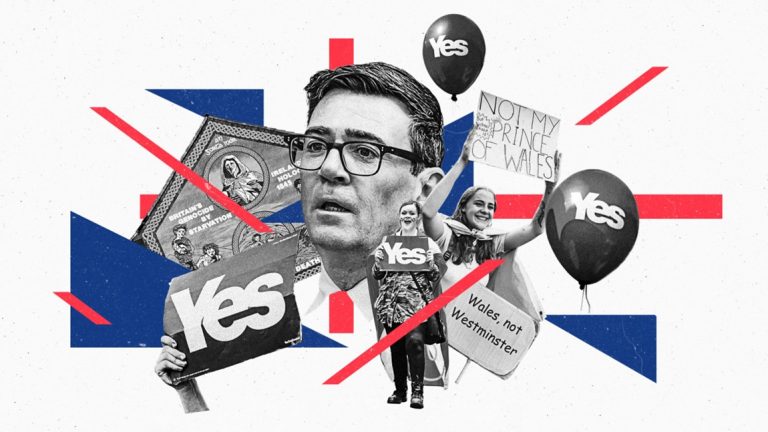
A grayscale collage of Viktor Orbán and another political figure against the red, white, and green colors of the Hungarian flag.

European Votes Test Populist Staying Power

This analysis explores the recent electoral shifts in Britain and Hungary, highlighting the governance challenges facing populist movements. While outsider appeals can win elections, sustaining power requires delivering on economic stewardship and institutional integrity. As US conservatives look toward upcoming midterms, these European results serve as a vital warning.

Read More »
A trader at the New York Stock Exchange looking at a monitor showing a breaking news report featuring Donald Trump.

CEOs Must Set Red Lines to Protect US Democracy

This article examines why American corporate leaders must move beyond the sidelines to defend democratic institutions. While policy debates are normal, the erosion of the rule of law and institutional independence threatens market stability. Business executives have a critical responsibility to protect the foundational guardrails that ensure fair competition and long-term economic growth.

Read More »

Oil Inventories Near Critical June Threshold

The world faces an unprecedented energy crisis as usable oil inventories plummet toward an eight-year low. With 14 million barrels of Middle East production offline, massive supply draws are forcing factory shutdowns and fuel rationing across Asia, testing global economic resilience and pushing Brent crude toward a dangerous June breaking point.

Read More »