Category: Iran

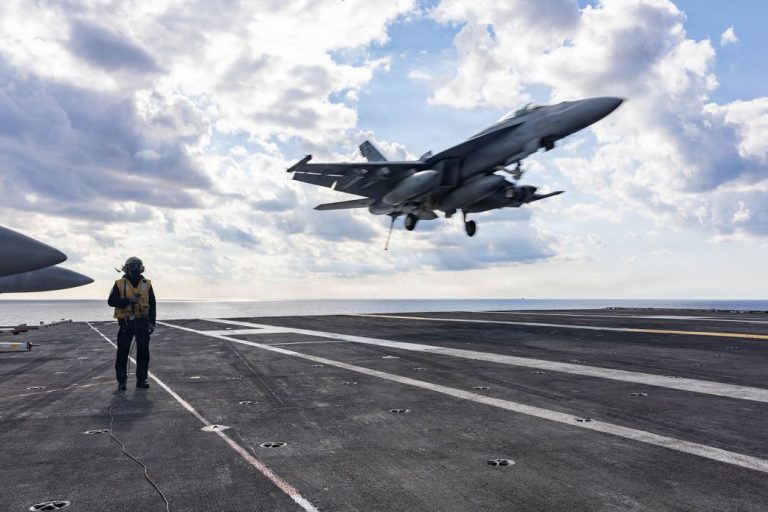
A US Navy F/A-18 Super Hornet fighter jet landing on the flight deck of an aircraft carrier.

Why US Pressure on Iran Keeps Failing

Recent American airstrikes and naval blockades have failed to yield the intended concessions from Tehran. Instead, Iran has consolidated domestic support and utilized its strategic position near the Strait of Hormuz to maintain leverage. With global oil prices surging and diplomatic channels narrowing, the confrontation highlights the limitations of force in resolving long-standing geopolitical disputes.
Read More »
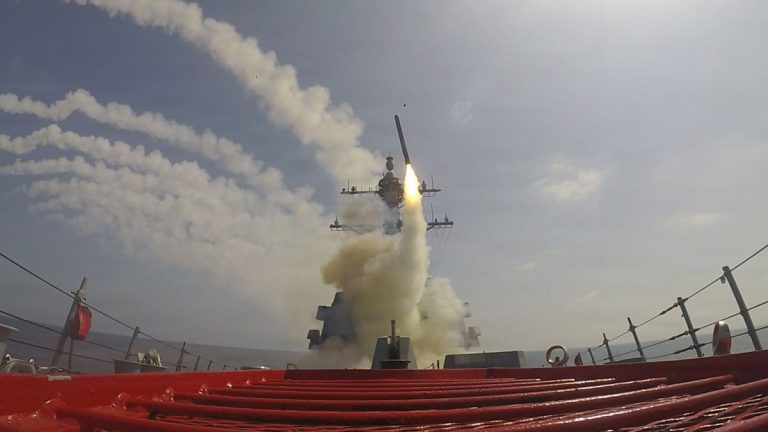
A missile being launched from the deck of a US Navy destroyer at sea, leaving a trail of white smoke.

US Missile Stocks Dwindle After Iran Ceasefire

Following the ceasefire with Iran, Pentagon officials are assessing significantly depleted weapons inventories. The high consumption of expensive systems like Tomahawks and Patriots has highlighted a need for more sustainable options. Consequently, the U.S. is accelerating the production of affordable alternatives, including the $35,000 LUCAS “kamikaze” drone.

Read More »
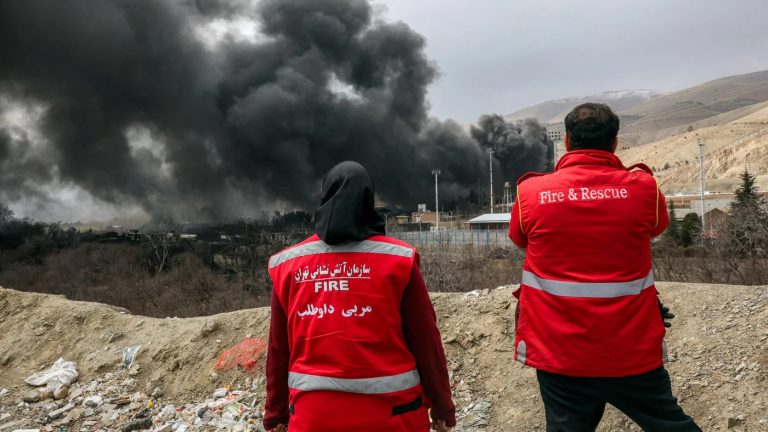
Two Iranian firefighters in red vests looking at thick black smoke rising from a distant facility.

Trump’s Iran Oil Threats Echo Decades of Plunder

Recent military strikes on Iranian energy infrastructure, including the Shahran refinery, have escalated tensions. President Trump’s rhetoric regarding the seizure of Iran’s oil reserves highlights a long-standing history of resource-based interventions. This situation mirrors historical events like the 1953 coup, reflecting an ongoing global struggle for economic sovereignty and resource control.

Read More »
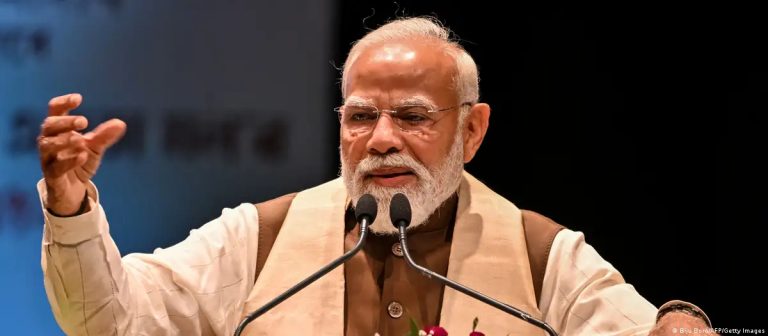
Indian Prime Minister Narendra Modi speaking at a podium during an official event.

India’s Strategic Risks in the Iran Conflict

While India successfully maintained maritime access during the Iran conflict, the crisis has exposed deep strategic vulnerabilities. Beyond energy and remittance dependencies, New Delhi must navigate shifting regional alliances, the potential for ideological spillover into South Asia, and the long-term impact of a weakened Israel on India’s own defense procurement.

Read More »
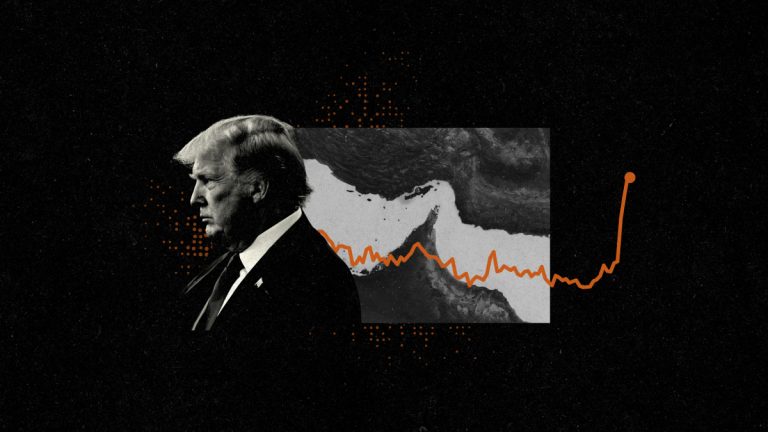
Illustration of Donald Trump's silhouette against a map of the Strait of Hormuz with a rising oil price graph.

Hormuz Closure Threatens Global Energy Stability

The effective closure of the Strait of Hormuz since March has disrupted one-fifth of global seaborne oil trade. With hundreds of tankers stranded and only limited transits occurring, the standoff is driving up global commodity prices and forcing nations to reassess their reliance on critical maritime chokepoints for energy and food security.

Read More »
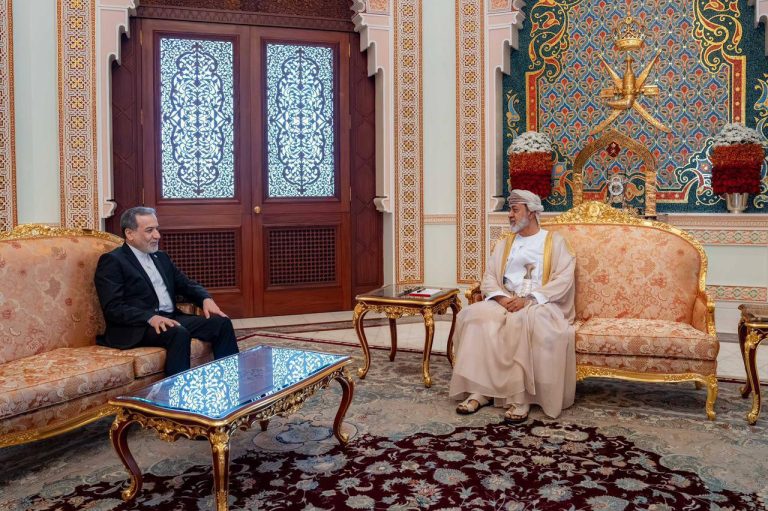
A diplomatic meeting between an Iranian official and an Omani leader in a grand palace room.

Why Lasting Iran Deal Needs Arab Inclusion

While international mediators have secured a fragile truce between the U.S. and Iran, long-term peace hinges on the formal inclusion of Arab Gulf states. Given their firsthand exposure to regional threats and successful history of mediation, these nations are essential for crafting a multilateral framework that addresses ballistic missiles and maritime security.

Read More »
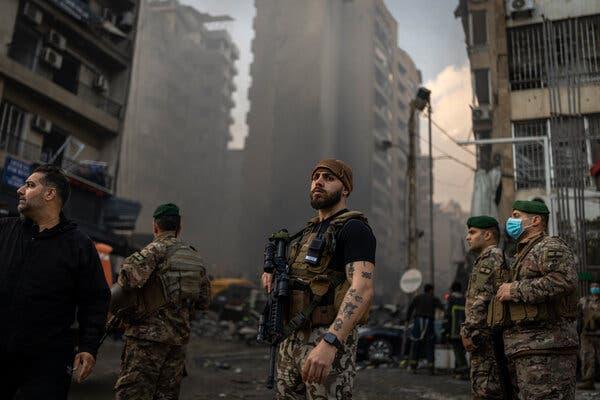
Soldiers in military gear standing in a war-torn urban street with smoke in the background.

Post-Iran War Diplomacy Tests Gaza and Lebanon

Following military operations against Iranian targets, diplomats are navigating fragile ceasefires in Gaza and Lebanon. Success depends on establishing credible governance, ensuring Lebanese sovereignty, and addressing Iran’s nuclear ambitions while balancing the reconstruction needs of war-torn areas against the necessity of permanent demilitarization and regional security.

Read More »
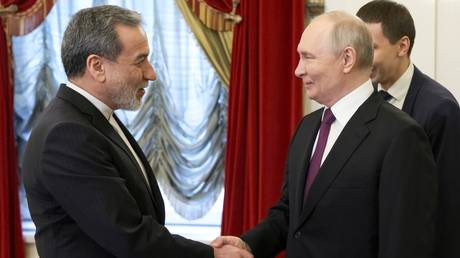
Vladimir Putin shaking hands with an Iranian official in a formal setting.

Hormuz Crisis Elevates Russia’s Role in Iran Diplomacy

Iran is intensifying its diplomatic outreach to Moscow and regional brokers like Oman to navigate the ongoing Hormuz crisis. By prioritizing maritime security and economic stability over immediate nuclear talks, Tehran aims to leverage global energy concerns and Russia’s mediation to counter U.S. pressure and secure long-term regional guarantees.

Read More »
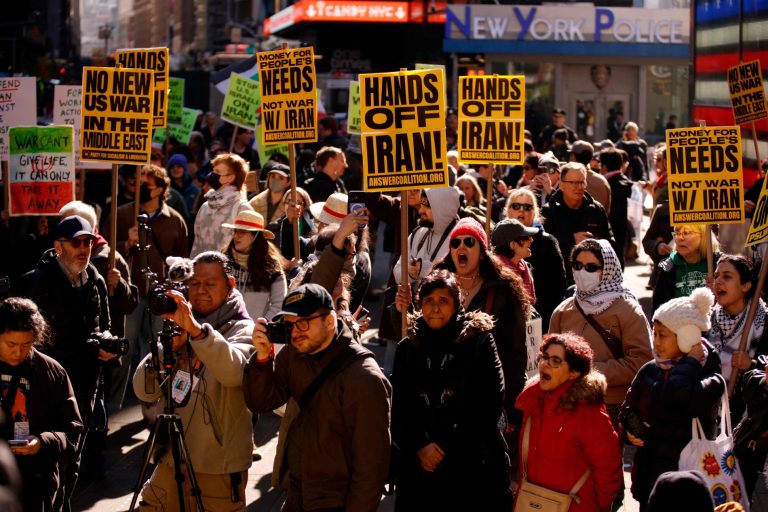
A crowded anti-war protest in Times Square, New York City, with demonstrators holding yellow signs that read "HANDS OFF IRAN!" and "NO NEW US WAR IN THE MIDDLE EAST!" while photographers capture the scene.

Hormuz Blockade Tests Iran’s Resilience and US Resolve

The ongoing U.S. naval blockade of Iranian ports has turned the Strait of Hormuz into a volatile arena. While Washington aims to squeeze Tehran’s economy to force nuclear concessions, Iran is leveraging its geographic control over global oil supplies, shifting the economic burden onto international markets and testing American endurance.

Read More »
Wide-angle view of the empty United Nations General Assembly hall in New York with the UN emblem on the golden front wall.

The NPT’s Last Chance: Can New York Save Nuclear Diplomacy?

As the 2026 NPT Review Conference opens in New York, the global non-proliferation regime faces its most existential threat since the Cold War. Against a backdrop of active strikes on nuclear sites and the total collapse of U.S.-Russia arms control, diplomats must navigate a perfect storm of regional warfare and systemic mistrust. With Article VI commitments stalled and China’s arsenal surging to 600 warheads, the next four weeks will determine if the NPT remains a pillar of security or becomes a relic of a bypassed era.

Read More »
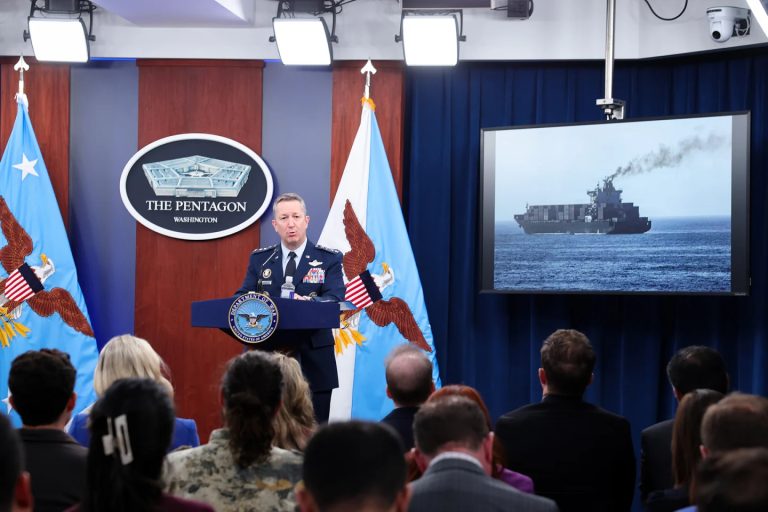
A U.S. military official speaking at a Pentagon press briefing with a screen showing a large container ship emitting smoke at sea.

Extended Iran Ceasefire Leaves US Facing Tough Choices

President Trump’s indefinite extension of the Iran ceasefire marks a strategic pause in the 2026 war, yet the path to peace remains blocked by a “triumvirate” of IRGC hardliners in Tehran and a rigid U.S. naval blockade. With oil prices surging to $107 and direct talks in Islamabad stalled, the administration faces a critical choice: can diplomacy survive a “military council” that has effectively sidelined Iran’s civilian government?

Read More »
A conceptual digital illustration of planet Earth centered within a complex, glowing orange circuit board pattern.

The War of Clocks and Systems: New Rules of Geopolitical Power

In the “Trumpquake” era, the rules of global power have been rewritten. Beyond the fragile US-Iran ceasefire lies a deeper systemic warfare where strategic patience (Tehran’s clock) clashes with political haste (Washington’s clock). This report explores the emergence of a fragmented order—from Hezbollah’s financial revival to the EU’s electrification mandate—where pragmatic alliances and the weaponization of maritime arteries have replaced traditional diplomacy.

Read More »