Category: Iran

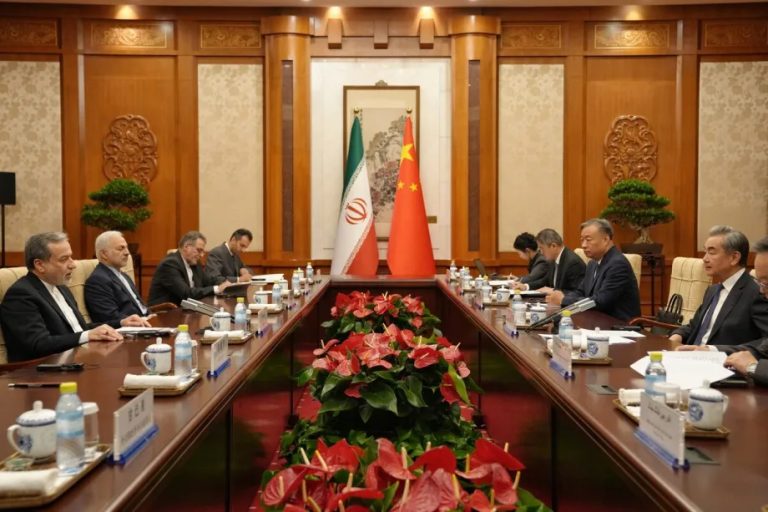
Official diplomatic meeting between Iranian and Chinese delegations seated at a long conference table with national flags.

China’s Legal Pushback on US Iranian Oil Sanctions

On May 2, 2026, China’s Ministry of Commerce issued a landmark directive blocking compliance with U.S. sanctions targeting refineries processing Iranian crude. By formalizing legal resistance and expanding RMB-based payments, Beijing is institutionalizing its defense against financial coercion, directly challenging the extraterritorial reach of Washington’s energy-related penalties.

Read More »
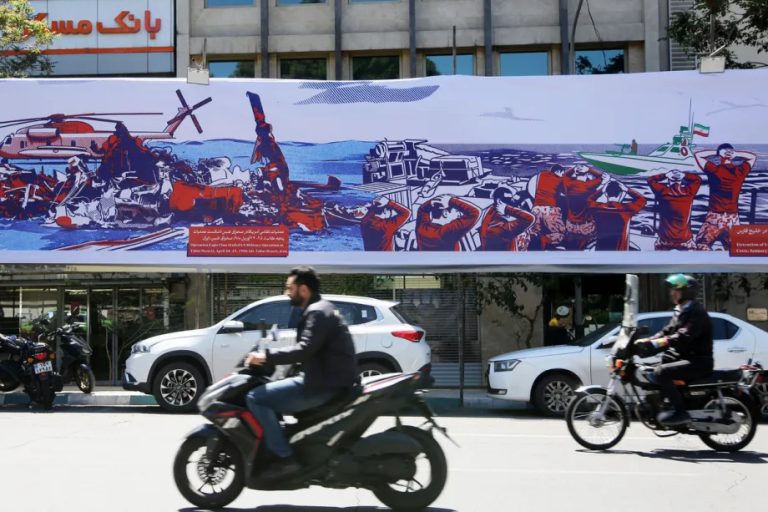
A large street billboard in Iran depicting military failures and naval captures.

Why the Iran Collapse Strategy Keeps Backfiring

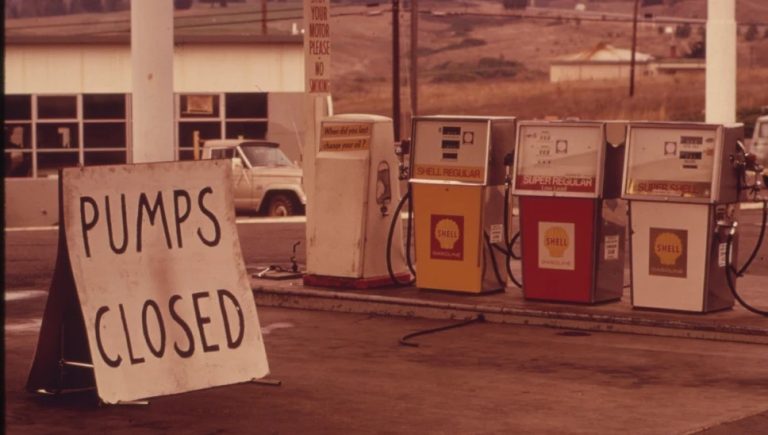
Washington’s reliance on a “breakdown” strategy in Iran is being tested by Tehran’s ability to endure sustained military and economic pressure. Instead of a swift collapse, current cycles of attrition have fueled global oil price spikes, reaching $4.50 per gallon in the U.S., while strengthening Iran’s informal trade networks and regional alliances.

Read More »
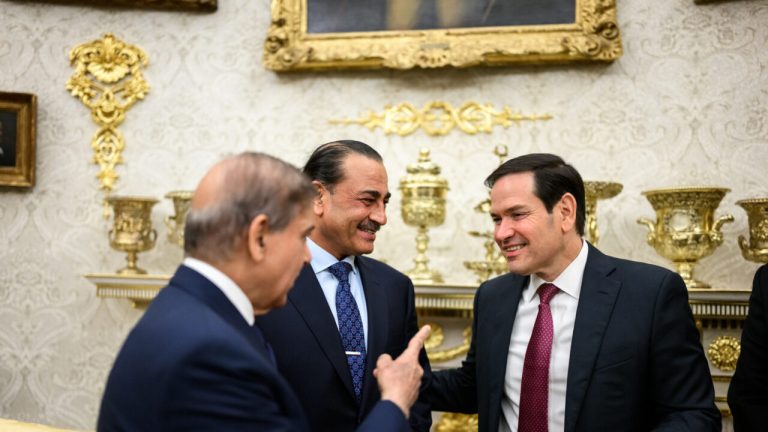
Asim Munir and Marco Rubio conversing in a formal setting.

Why Pakistan’s Iran Mediation Won’t Reset US Ties

Despite successfully brokering a fragile April ceasefire between Washington and Tehran, Pakistan faces a steep climb to restore long-term strategic trust with the U.S. Persistent concerns over militant groups, the fallout from the 2025 Pahalgam attack, and Islamabad’s deep economic ties with China suggest that the current warmth remains largely transactional and issue-dependent.

Read More »
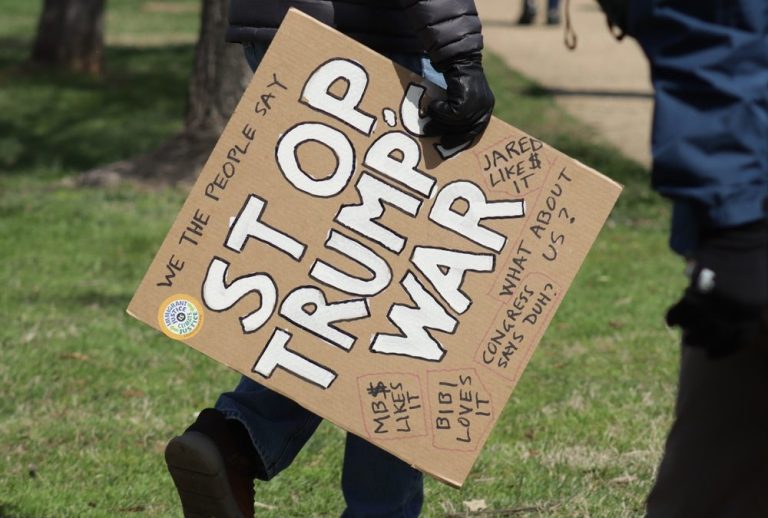
Person carrying a cardboard sign that reads "Stop Trump's War" at a protest.

Trump’s Iran Deadline Tests War Powers Limits

The expiration of the War Powers Resolution’s 60-day window has triggered a high-stakes legal battle between the White House and Congress. As the Trump administration cites a fragile ceasefire to justify continued deployments, lawmakers are weighing the necessity of formal authorization against the risks of open-ended regional conflict and diminished legislative oversight.

Read More »
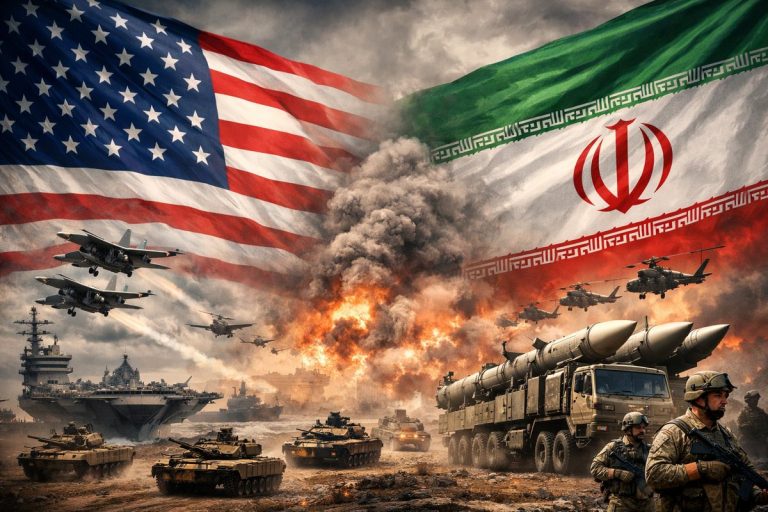
Digital collage depicting military tension between the United States and Iran flags.

Superpowers Learn Restraint From US-Iran War

Recent military confrontations between the U.S. and Iran have led global strategists to reevaluate the costs of overcommitment. As defense spending competes with domestic needs and media coverage amplifies setbacks, major powers are shifting toward more selective engagement, prioritizing internal stability and core interests over prolonged, distant interventions.

Read More »
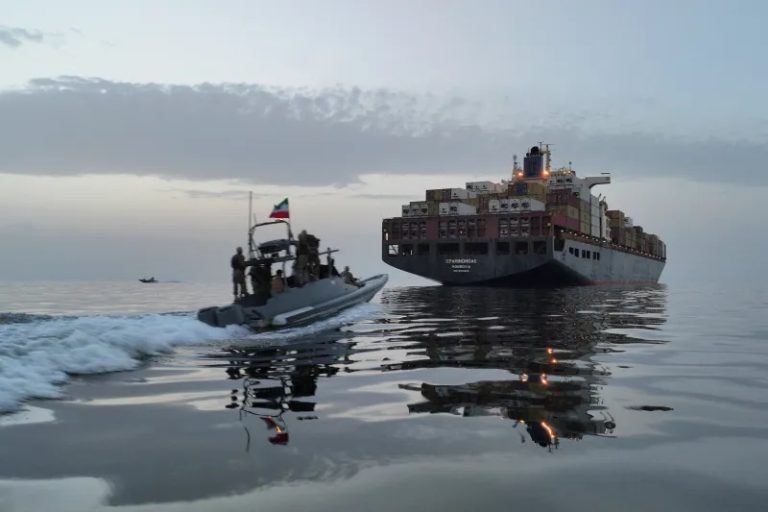
Military speedboat approaching a large container ship at dusk.

Iran’s Hormuz Gambit Demands Fresh Energy Strategy

The ongoing blockade of the Strait of Hormuz has exposed critical vulnerabilities in global energy security, driving U.S. gasoline prices past $4.40. As military standoffs continue, experts urge a shift toward diversified supply routes, including Saudi Arabia’s East-West pipeline, and a renewed focus on domestic resilience and long-term energy innovation.

Read More »
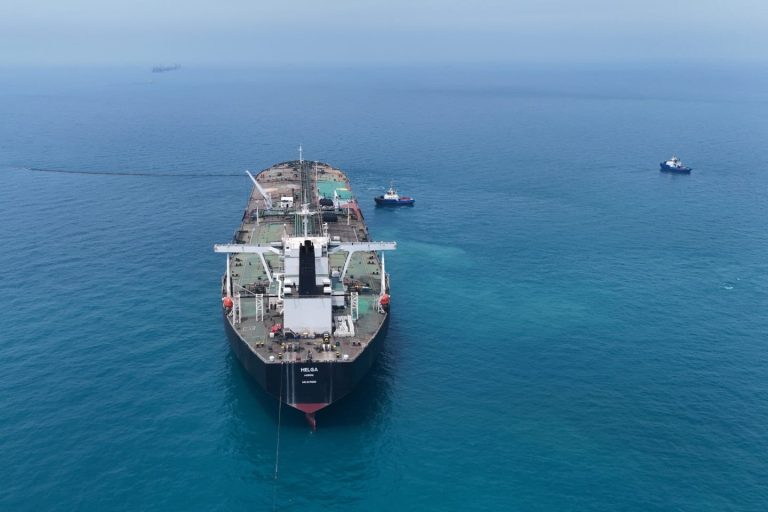
: Large oil tanker Helga being escorted by tugboats in open blue water.

Hormuz Crisis Exposes Energy Innovation Gaps

The unprecedented disruption in the Strait of Hormuz has exposed the vulnerability of global energy systems. Despite record-breaking reserve releases, the crisis underscores a critical need for sustained energy innovation. New data reveals a widening gap in research and deployment, with Nordic leadership contrasting a relative decline in U.S. innovation.

Read More »

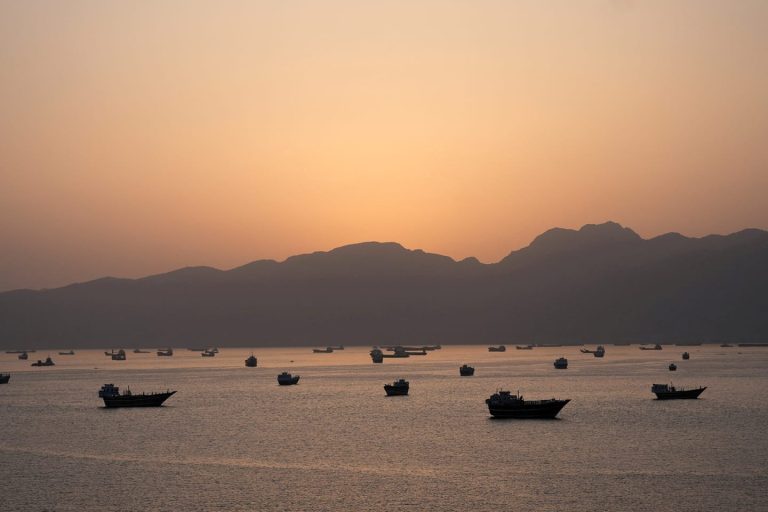
Why Military Pressure Fails in the Strait of Hormuz

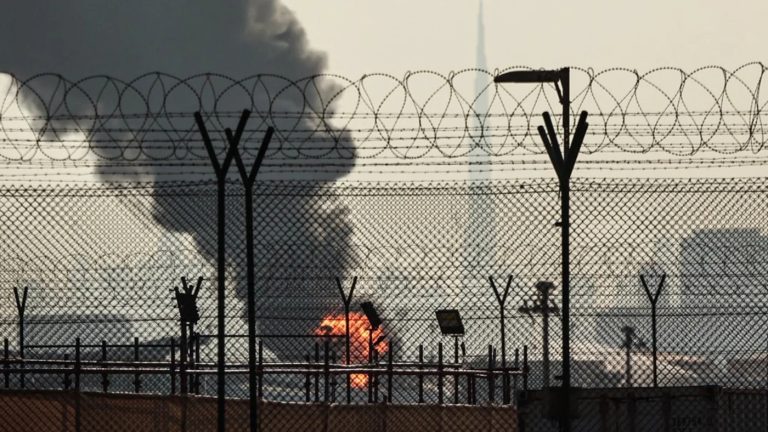
Rising tensions in the Strait of Hormuz have disrupted shipping and pushed energy prices higher worldwide. Analysts argue military pressure alone cannot remove Iran’s leverage in the narrow waterway. Restoring safe passage may depend more on diplomacy than escalation, as global markets face growing uncertainty.

Read More »

UAE’s OPEC Exit Targets Iran’s War Economy

The UAE has announced its exit from OPEC effective May 1, 2026, signaling a major shift in Gulf energy politics. Abu Dhabi plans to increase oil production, aiming to weaken Iran’s revenue base during escalating regional tensions. The move could reshape OPEC dynamics and global energy markets.

Read More »

Iran’s Hardliner Rift Tests US Diplomacy

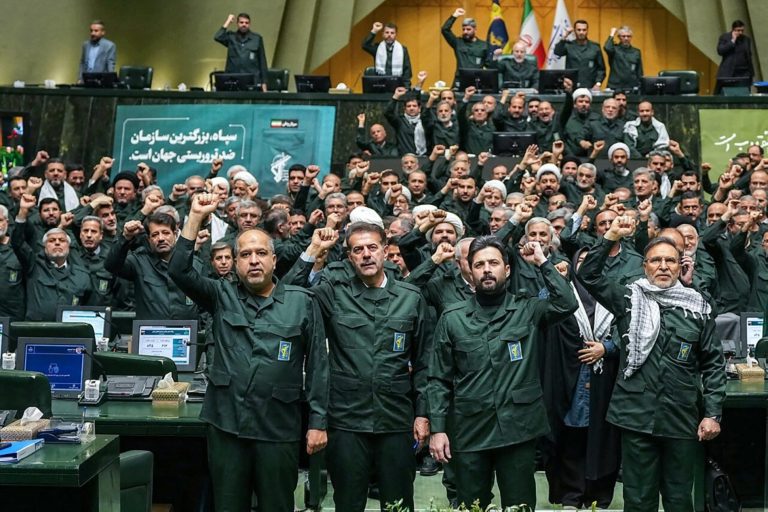
Iran’s political landscape is facing a significant test as internal friction between ultra-hardliners and pragmatists complicates indirect diplomatic efforts with the U.S. While economic pressure and new leadership push Tehran toward measured engagement, ideological spoilers remain a challenge, highlighting a calculated struggle over the regime’s survival and future stability.

Read More »
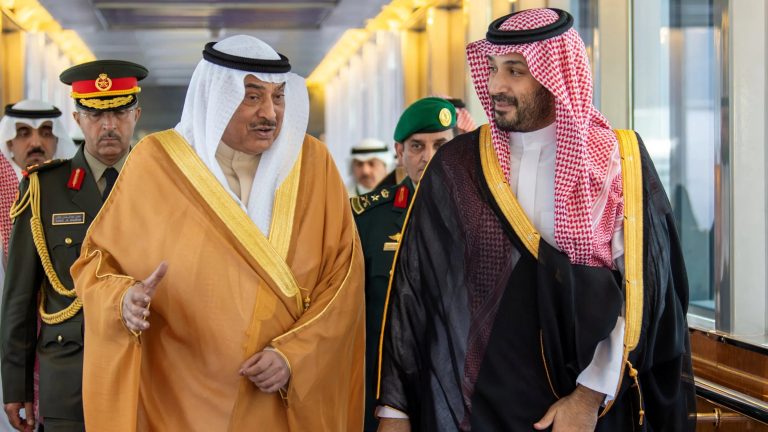
Saudi Crown Prince Mohammed bin Salman engaging in a conversation with a regional leader and military officials.

Iran War Drives Saudi Red Sea Recalibration

The conflict with Iran has prompted a strategic recalibration in Saudi Arabia, shifting focus toward the Red Sea to bypass the blocked Strait of Hormuz. By expanding the East-West pipeline and NEOM’s port infrastructure, Riyadh aims to secure trade routes amid a deepening rift with the UAE and volatile global energy markets.

Read More »