Category: Diplomacy

Iran’s Hardliner Rift Tests US Diplomacy

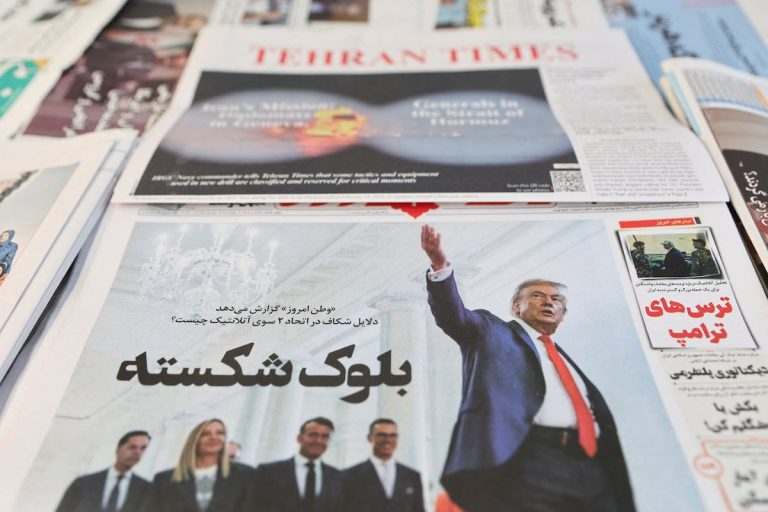
Iran’s political landscape is facing a significant test as internal friction between ultra-hardliners and pragmatists complicates indirect diplomatic efforts with the U.S. While economic pressure and new leadership push Tehran toward measured engagement, ideological spoilers remain a challenge, highlighting a calculated struggle over the regime’s survival and future stability.

Read More »
Portrait montage of world leaders Vladimir Putin, Xi Jinping, and Donald Trump.

Why Grand Bargains Elude Washington, Beijing and Moscow

High-level summits in Beijing between leaders of the U.S., China, and Russia highlight a new era of strategic distrust. As interdependence fades, these powers are prioritizing economic resilience and flexible, time-limited understandings over comprehensive global accords. This shift reflects a broader trend toward a fragmented, multipolar world defined by competition rather than shared rules.

Read More »
Split screen showing Vladimir Putin and Donald Trump both speaking on landline telephones.

Putin-Trump Talks Chart Path Beyond Ukraine Stalemate

Recent high-level discussions between President Trump and Vladimir Putin suggest a pivot beyond the Ukraine stalemate. Building on the 2025 Anchorage Summit, the leaders are exploring limited cooperation on Iranian enrichment and energy markets. This evolving dialogue signals a shift toward pragmatism, as both capitals navigate a complex multipolar landscape.

Read More »
A US Navy F/A-18 Super Hornet fighter jet landing on the flight deck of an aircraft carrier.

Why US Pressure on Iran Keeps Failing

Recent American airstrikes and naval blockades have failed to yield the intended concessions from Tehran. Instead, Iran has consolidated domestic support and utilized its strategic position near the Strait of Hormuz to maintain leverage. With global oil prices surging and diplomatic channels narrowing, the confrontation highlights the limitations of force in resolving long-standing geopolitical disputes.

Read More »
Large Chinese ballistic missile canisters on transport vehicles during a military parade with a soldier in the foreground.

US-China Nuclear Rivalry Edges Closer to the Brink

China’s rapid nuclear buildup, projected to exceed 1,000 warheads by 2030, is fundamentally reshaping global strategic stability. Driven by fears of US intervention, Beijing’s expansion has accelerated American modernization and deepened regional tensions. Breaking this cycle requires pragmatic, small-scale transparency measures and concrete discussions on restraint during upcoming high-level summits.

Read More »
Close-up portrait of Hungarian Prime Minister Viktor Orbán against a blurred background of European Union flags.

Hungary Vote Exposes EU’s Enduring Splits

The landslide victory of Péter Magyar’s Tisza Party in Hungary marks the end of Viktor Orbán’s 16-year rule and a significant turning point for the EU. While the new government promises to unblock major aid packages for Ukraine, enduring disagreements over enlargement and national sovereignty continue to challenge European unity.

Read More »
Workers climbing a high metal scaffolding to install white panels on a large building frame.

Why Strategic Hedging Defines Modern Statecraft

Driven by recent global upheavals, modern statecraft is increasingly defined by strategic hedging. Middle powers and established unions are diversifying their economic partnerships, defense suppliers, and resource chains to maximize autonomy. While this shift toward security over efficiency incurs economic costs, it provides essential insurance against an unpredictable international landscape.

Read More »
Close-up portrait of Donald Trump wearing a red "Make America Great Again" hat looking downwards.

Trump’s Failed Bet on Europe’s Far Right

The recent electoral defeat of Viktor Orbán in Hungary highlights the limitations of the Trump administration’s efforts to cultivate far-right alliances in Europe. Despite high-level support, domestic economic woes and corruption concerns led voters to reject the MAGA-aligned leader, signaling a growing disconnect between Washington’s nationalist exports and European political realities.

Read More »
A diplomatic meeting between an Iranian official and an Omani leader in a grand palace room.

Why Lasting Iran Deal Needs Arab Inclusion

While international mediators have secured a fragile truce between the U.S. and Iran, long-term peace hinges on the formal inclusion of Arab Gulf states. Given their firsthand exposure to regional threats and successful history of mediation, these nations are essential for crafting a multilateral framework that addresses ballistic missiles and maritime security.

Read More »
Soldiers in military gear standing in a war-torn urban street with smoke in the background.

Post-Iran War Diplomacy Tests Gaza and Lebanon

Following military operations against Iranian targets, diplomats are navigating fragile ceasefires in Gaza and Lebanon. Success depends on establishing credible governance, ensuring Lebanese sovereignty, and addressing Iran’s nuclear ambitions while balancing the reconstruction needs of war-torn areas against the necessity of permanent demilitarization and regional security.

Read More »
The Big Ben clock tower in London with a blurred Union Jack flag in the foreground.

Mistrust Deepens in UK-US ‘Special Relationship’

King Charles III’s state visit to the U.S. comes amid deepening mistrust in the transatlantic alliance. Tensions have escalated over the Pentagon’s reported use of the Falkland Islands sovereignty as diplomatic leverage, highlighting a strategic divergence as London navigates economic constraints and a more transactional Washington.

Read More »
Vladimir Putin shaking hands with an Iranian official in a formal setting.

Hormuz Crisis Elevates Russia’s Role in Iran Diplomacy

Iran is intensifying its diplomatic outreach to Moscow and regional brokers like Oman to navigate the ongoing Hormuz crisis. By prioritizing maritime security and economic stability over immediate nuclear talks, Tehran aims to leverage global energy concerns and Russia’s mediation to counter U.S. pressure and secure long-term regional guarantees.

Read More »