Category: Diplomacy

Taiwanese soldiers in camouflage standing with a large national flag next to military missile launchers and a drone.

Trump-Xi Summit Tests Taiwan’s Trust in US Support

President Trump’s Beijing summit has intensified anxieties in Taiwan regarding the stability of American security commitments. Despite a record $11 billion arms authorization, delivery delays and transactional demands for semiconductor investments have significantly eroded Taiwanese public confidence. As Xi Jinping prioritizes Taiwan in talks, the region remains wary of shifts in Washington’s long-standing strategic ambiguity.

Read More »
Two gold interlocking gears featuring the national flags of China and the United States.

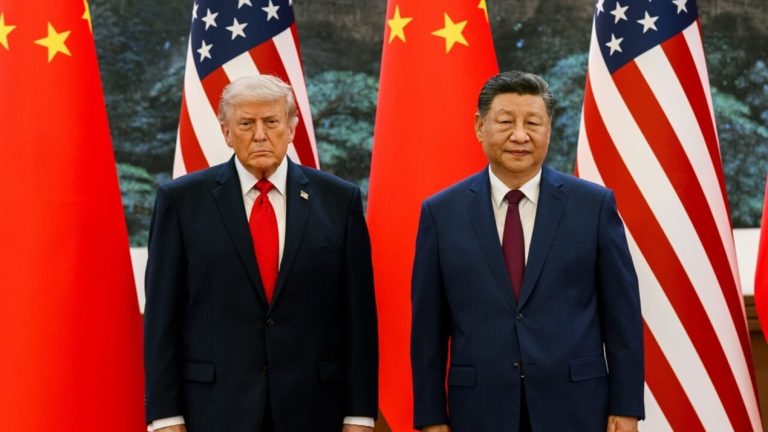
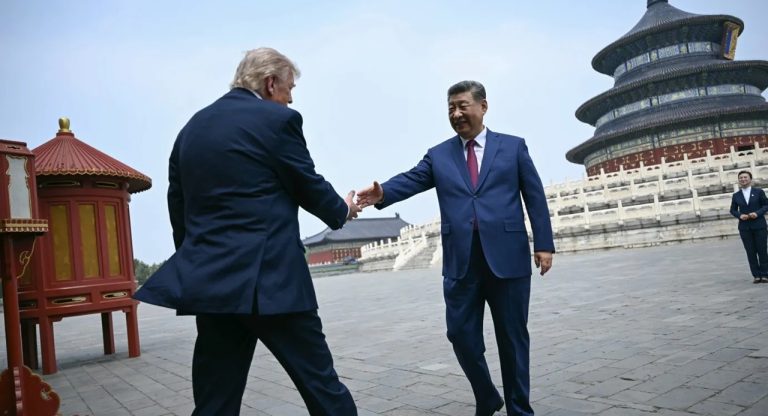
Small Steps Define Trump’s Beijing Visit

President Trump’s visit to Beijing, the first by a U.S. leader in a decade, seeks a tactical stabilization of ties with China. Amid the ongoing Iran conflict and trade frictions, both nations are prioritizing “managed competition” over a full reset, focusing on supply chain resilience, AI safety, and restoring human connections.

Read More »
A digital composite of the Iranian flag, ballistic missiles, and a nuclear mushroom cloud.

Iran’s Defiance Tests Trump’s Resolve in Nuclear Standoff

President Trump’s recent rejection of Iran’s peace proposal has pushed the fragile Middle East ceasefire to the brink of collapse. As Tehran refuses to dismantle its nuclear infrastructure despite military pressure and “Project Freedom” naval escorts, the standoff threatens global energy stability and complicates international preparations for the 2026 World Cup.

Read More »
The Iranian flag flying over a pile of concrete rubble and destroyed buildings.

Iran Conflict Accelerates Multipolar Realignment

The inconclusive US-Israeli campaign against Iran has accelerated a global shift toward multipolarity. By demonstrating state resilience and weaponizing energy chokepoints, Tehran has forced major powers to reassess the costs of intervention. This new reality is driving a strategic realignment, pushing nations toward pragmatic diplomacy and diversified resource security.

Read More »

Why Washington Misplaces Central Asia

The United States risks losing strategic ground in Central Asia due to institutional fragmentation and inconsistent regional categorization. While Washington’s engagement remains episodic, China has methodically secured vital energy pipelines and overland trade corridors, insulating its economy from maritime disruptions and deepening its long-term influence across the Eurasian heartland.

Read More »

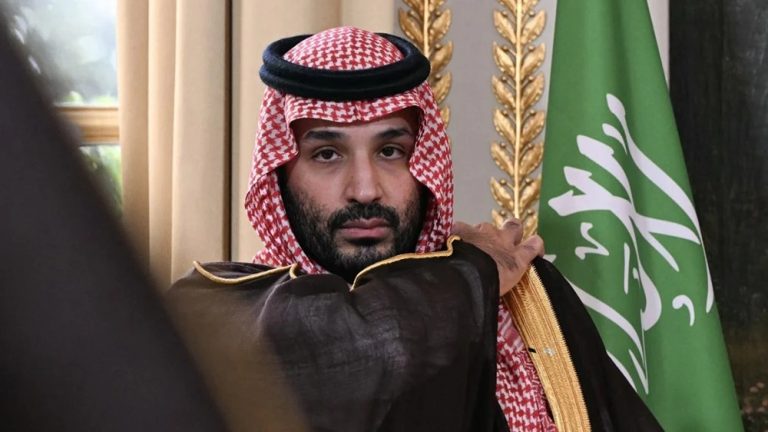
Sunni Quartet Builds Security Ties in Middle East

Driven by doubts over Western security guarantees and the fallout from the U.S.-Iran war, a new strategic alignment is taking shape between Turkey, Egypt, Saudi Arabia, and Pakistan. This “Sunni-Muslim accord” combines a population of 500 million with significant military industrial potential, aiming to establish a localized security platform that reduces dependence on outside powers and provides a “nuclear umbrella” via Pakistan’s deterrent capabilities.

Read More »

Strikes on Iran Expose Cracks in NPT Framework

The 2026 NPT Review Conference has become a battlefield over the legitimacy of military strikes on overseen nuclear facilities. With Iran highlighting the failure of Article IV protections and the lack of negative security assurances, delegates warn that the non-proliferation regime faces a credibility crisis that could lead to irreversible withdrawals if foundational compromises aren’t restored.

Read More »

Iran’s Hormuz Leverage Erodes US Gulf Influence

Tehran has transformed the Strait of Hormuz into its most potent bargaining chip, leveraging control over 20% of global oil to demand a new regional order. As Supreme Leader Mojtaba Khamenei rejects outside influence, the shift is fracturing traditional Gulf alliances and forcing major powers to recalibrate their energy security strategies.

Read More »

Closing America’s Gray Zone Confidence Gap

Strategic competition today is defined by influence operations and narrative battles, yet American decision-making remains plagued by institutional overconfidence. Lessons from Afghanistan highlight a failure to track analytical accuracy, suggesting that the U.S. must invest in “decision infrastructure” and forecasting systems to turn intelligence into a durable advantage.

Read More »

Iran War Exposes US Policy Contradiction

The Iran war has pushed U.S. policy into contradiction, exposing clashing goals on Iran’s regime and nuclear limits while driving costs higher and yielding few gains—fueling domestic frustration as the conflict drags on.

Read More »