Category: Middle East

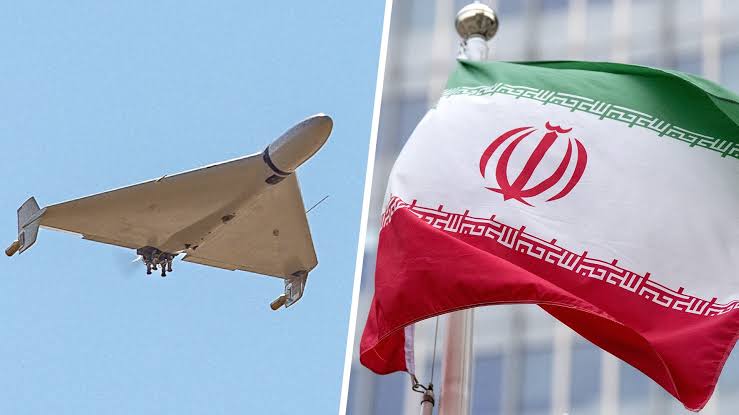
Donald Trump and an Iranian official superimposed over American and Iranian flags.

US-Iran Talks Are Failing And Both Sides Know It

This analysis examines the current collapse of US-Iran diplomatic efforts following the February 2026 outbreak of hostilities. By exploring the non-negotiable demands presented by Washington and Tehran’s defiant response, the article highlights the strategic impasse currently defining the conflict, including the continued blockade of the Strait of Hormuz and the precarious nature of the shaky, ongoing ceasefire.

Read More »
Sumud Flotilla boats docking at a pier.

Sumud Flotilla Tests Limits of Gaza Blockade

This report examines the escalating confrontation between civilian aid missions and the Gaza blockade, highlighted by the recent interception of the Global Sumud Flotilla. By analyzing the intersection of maritime law, humanitarian necessity, and international diplomatic response, the article explores how these high-seas encounters are reshaping global discourse on accountability and the ethics of enforcing territorial restrictions amidst a deepening humanitarian crisis.

Read More »
Two individuals holding the Syrian opposition flag in front of the White House.

Why Syria Must Build Lasting US Ties

This article evaluates the precarious state of the nascent US-Syria relationship following recent diplomatic breakthroughs. While shared security objectives have fostered cooperation, reliance on temporary alliances and personal networks leaves the partnership vulnerable to future political shifts. We analyze the strategic necessity for Damascus to institutionalize ties, prioritize economic engagement, and implement governance reforms to ensure long-term stability and international support.

Read More »
Indian Prime Minister Narendra Modi shaking hands with the President of the UAE.

India’s Calculated Gamble in a Fractured Gulf

This analysis examines India’s evolving diplomatic strategy in the Gulf, marked by deepened ties with the UAE and nuanced engagement with regional powers. We explore how New Delhi manages the intersection of economic resilience and geopolitical maneuvering. The article assesses the challenges of maintaining strategic autonomy while navigating competition between China, Iran, and traditional security alliances in a fractured West Asian landscape.

Read More »
A U.S. Navy warship sailing past commercial cargo container ships in a maritime chokepoint.

Hormuz Proved Chokepoints Can Be Weaponized. Asia Is Next.

This analysis explores the systemic vulnerability of global maritime chokepoints, highlighted by the recent closure of the Strait of Hormuz. We examine how drone technology and insurance market manipulation create catastrophic economic risks, with specific focus on Asia’s critical passages. The piece evaluates the geopolitical implications for China, the United States, and the intensifying competition over secondary trade corridors.

Read More »
Saudi Crown Prince Mohammad bin Salman against a backdrop of the Iranian flag and historical diplomatic imagery.

GCC Rethinks Iran Strategy After Brutal War

This analysis examines the strategic shift within the GCC regarding Iran following recent regional conflicts. As energy security concerns rise, Gulf capitals are exploring non-aggression frameworks and diplomatic pathways to manage long-term tensions. We evaluate the feasibility of these proposals, the role of external mediators, and the path toward incremental stability.

Read More »
Javier Milei shaking hands with Donald Trump at a Board of Peace event.

Milei Faces Pushback at Home

This analysis examines the growing rift between President Javier Milei’s ideological foreign policy and the Argentine public’s preference for non-alignment. By tracing his commitment to the Isaac Accords, the promise to relocate the embassy to Jerusalem, and the transactional nature of U.S.-backed financial stabilization, we highlight the risks of Milei’s “moral clarity” in a nation where both the public and political opposition view his foreign ventures as reckless and disconnected from national interests.

Read More »
Naftali Bennett and Yair Lapid standing together at a podium with Israeli flags.

Israel’s Election Will Exclude Millions It Governs

This analysis examines the democratic paradox inherent in Israel’s upcoming elections, where political representation remains systematically inaccessible to millions of Palestinians living under military rule. Drawing on recent findings from the ICJ and UN human rights bodies, we explore how current annexationist policies and the exclusionary nature of the electoral process further entrench a dual-regime system, challenging the foundations of political legitimacy in the region.

Read More »
Israeli security forces standing in a line at night.

How Israel’s Entry Denials Target Critical Journalists

This article examines a leaked Israeli police dossier revealing the criteria used to bar foreign correspondents, including covering Bedouin conditions or labor violations. Highlighting the case of Italian photojournalist Alessandro Stefanelli, the report details how systemic media exclusions and judicial deference are driving an unprecedented information blackout across the region.

Read More »
US President Donald Trump waving from the doorway of Air Force One while officials on the tarmac watch.

Why Delaying Taiwan’s Arms Sales Weakens Deterrence

This article criticizes the decision to hold Taiwan’s $14 billion arms package in abeyance as trade leverage with Beijing. Despite Taipei passing a crucial $25 billion defense budget, treating approved defensive hardware as a negotiating token weakens cross-Strait deterrence and risks inviting severe strategic miscalculation from a modernizing Chinese military.

Read More »
Chinese President Xi Jinping and US President Donald Trump walking together indoors during a diplomatic summit in Beijing.

Trump’s Beijing Summit Signals a New US-China Power Balance

This analysis evaluates the strategic implications of the May 2026 Trump-Xi summit in Beijing. Signaling a breakdown of the traditional unipolar framework, the meeting underscored Washington’s implicit recognition of China as a co-equal power, as global supply chain realities and Middle East entanglements reshape the bilateral balance of power.

Read More »
A man in traditional Emirati attire and glasses speaking behind a white podium featuring the United Arab Emirates Ministry of Foreign Affairs emblem.

UAE’s Legal Rhetoric Faces a Credibility Test

This analysis examines the growing contradiction between the United Arab Emirates’ diplomatic rhetoric championing international law and its controversial regional foreign policy. By evaluating Emirati involvement in Yemen, Sudan, and the Gaza conflict, the article highlights the credibility test Abu Dhabi faces in balancing strategic interests with global accountability.

Read More »