Category: Middle East

A man holding a large Iranian flag in front of a massive billboard showing a close-up of a human face with lips tied together and text that reads "At The Breaking Point".

Iran War Shows the New Meaning of Power

This analysis explores how the Iran war highlights the shifting dynamics of global influence. While Western and Israeli military reach inflicts significant strain, Tehran’s endurance exposes the declining efficacy of unilateral American pressure. The conflict underscores a harsher strategic reality: traditional firepower no longer guarantees political compliance in a multipolar world.

Read More »
Political cartoon illustration of a globe surrounded by the flags of global superpowers like the US, China, and Russia amidst crumbling classical pillars, symbolizing a fractured multipolar world.

The Shadow of a Multipolar World: Gridlock in Geopolitical Arteries

This analysis explores the decline of American unipolarity and the onset of a transitional, multipolar era. Driven by Washington’s strategic miscalculations, the shifts include emerging non-Western security blocs, a highly vulnerable global energy market, and rising alternative alliances, forcing Western policymakers to cognitively adapt to an inescapable new geopolitical reality.

Read More »
A silhouette of a crumbling Statue of Liberty against a setting sun, symbolizing national decline.

Why American Power Is Eroding From Within

This article argues that America’s greatest vulnerabilities lie in fiscal overstretch and a reliance on force over diplomacy. By prioritizing foreign interventions while domestic infrastructure and political institutions erode, Washington risks long-term instability. The piece advocates for strategic restraint and internal reinvestment to restore sustainable global leadership and national health.

Read More »
Donald Trump seated at a desk with advisors, including Marco Rubio, while an official holds up a red "America is Back!" hat.

Lebanon’s Sovereignty Strained by US Talks

This article examines the challenges facing Lebanon as Washington-mediated negotiations with Israel enter a critical phase. Amid continued displacement and domestic dissent, Lebanese leaders struggle to assert sovereignty while balancing external diplomatic pressure. The analysis warns that without broad national consensus, these talks risk deepening internal fractures and regional instability.

Read More »
A stylized graphic for an article. It features a grayscale cutout of Hungarian Prime Minister Viktor Orbán on the left and a younger man in a traditional-style jacket gesturing on the right. The background is a textured representation of the Hungarian national flag.

Iran War Accelerates Multipolar World Order

The recent confrontation involving Iran marks a turning point in global geopolitics, accelerating the transition toward a multipolar order. This analysis explores how strained transatlantic ties, the rise of non-Western economic networks, and new metrics of technological strength are redefining influence, proving that unilateral action faces increasing limits in 2026.

Read More »
Donald Trump pointing a finger forward while standing at a podium.

Trump’s Iran Ultimatums Risk Deeper Stalemate

President Trump’s strategy of perpetual ultimatums toward Iran is creating an entrenched stalemate that unsettles global energy markets. While intended to maintain leverage, the cycle of threats without resolution has allowed Tehran to calibrate its defiance, keeping oil prices elevated and leaving the Strait of Hormuz in a state of dangerous, indefinite tension.

Read More »
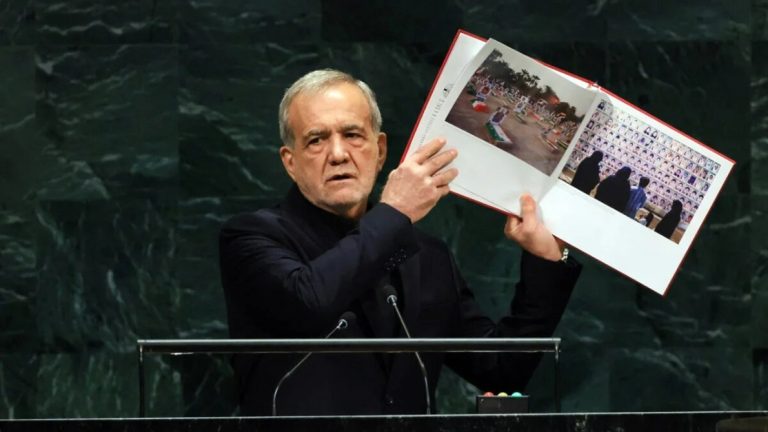
Graphic for the 11th NPT Review Conference in 2026 featuring the UN General Assembly and a knotted gun statue.

NPT Credibility Tested by Iran Strikes

The 2026 NPT Review Conference in Geneva has been overshadowed by the failure of military strikes to permanently degrade Iran’s missile and nuclear capabilities. Backed by strategic support from Beijing and Moscow, Tehran’s rapid reconstitution of its infrastructure highlights the growing limitations of kinetic operations and the urgent need for multilateral treaty reform.

Read More »
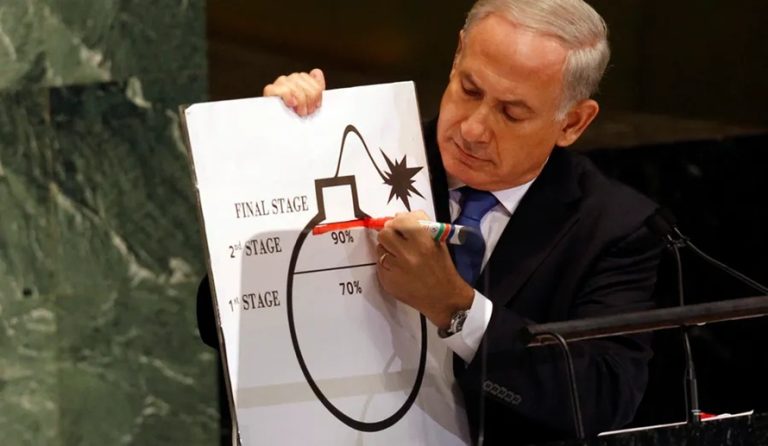
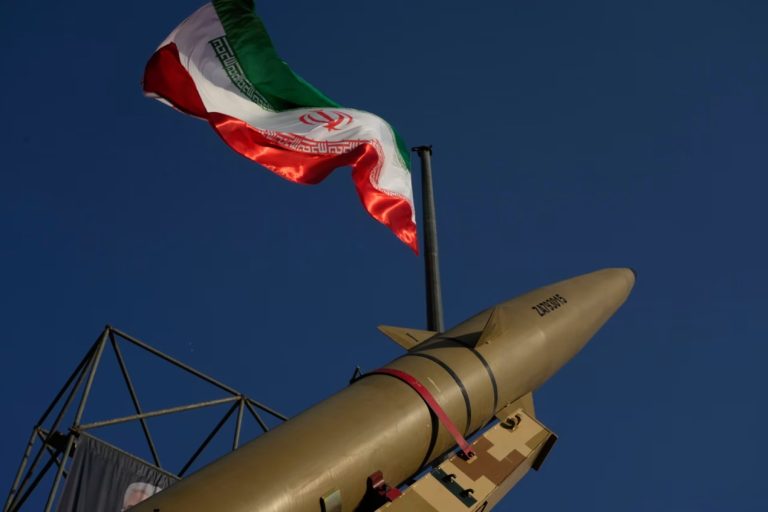
A digital composite of the Iranian flag, ballistic missiles, and a nuclear mushroom cloud.

Iran’s Defiance Tests Trump’s Resolve in Nuclear Standoff

President Trump’s recent rejection of Iran’s peace proposal has pushed the fragile Middle East ceasefire to the brink of collapse. As Tehran refuses to dismantle its nuclear infrastructure despite military pressure and “Project Freedom” naval escorts, the standoff threatens global energy stability and complicates international preparations for the 2026 World Cup.

Read More »
The Iranian flag flying over a pile of concrete rubble and destroyed buildings.

Iran Conflict Accelerates Multipolar Realignment

The inconclusive US-Israeli campaign against Iran has accelerated a global shift toward multipolarity. By demonstrating state resilience and weaponizing energy chokepoints, Tehran has forced major powers to reassess the costs of intervention. This new reality is driving a strategic realignment, pushing nations toward pragmatic diplomacy and diversified resource security.

Read More »

UAE OPEC Exit Signals GCC Fragmentation

The UAE’s withdrawal from OPEC highlights a deepening fragmentation within the GCC. As Iranian strikes expose varying regional vulnerabilities, Abu Dhabi is prioritizing national autonomy and independent export routes over collective frameworks. This strategic shift suggests that traditional Gulf alliances are struggling to meet the demands of a volatile security landscape.

Read More »

Sunni Quartet Builds Security Ties in Middle East

Driven by doubts over Western security guarantees and the fallout from the U.S.-Iran war, a new strategic alignment is taking shape between Turkey, Egypt, Saudi Arabia, and Pakistan. This “Sunni-Muslim accord” combines a population of 500 million with significant military industrial potential, aiming to establish a localized security platform that reduces dependence on outside powers and provides a “nuclear umbrella” via Pakistan’s deterrent capabilities.

Read More »

Strikes on Iran Expose Cracks in NPT Framework

The 2026 NPT Review Conference has become a battlefield over the legitimacy of military strikes on overseen nuclear facilities. With Iran highlighting the failure of Article IV protections and the lack of negative security assurances, delegates warn that the non-proliferation regime faces a credibility crisis that could lead to irreversible withdrawals if foundational compromises aren’t restored.

Read More »