India’s response to the Iran crisis has sparked intense debate at home about the limits of its much-vaunted strategic autonomy. As the conflict between the United States, Israel, and Iran moves from open confrontation toward uncertain negotiations, New Delhi has chosen quiet diplomacy over high-profile mediation. This approach reflects the complex web of relationships that define India’s interests in the Gulf, where energy security, diaspora welfare, and great-power balancing all intersect.
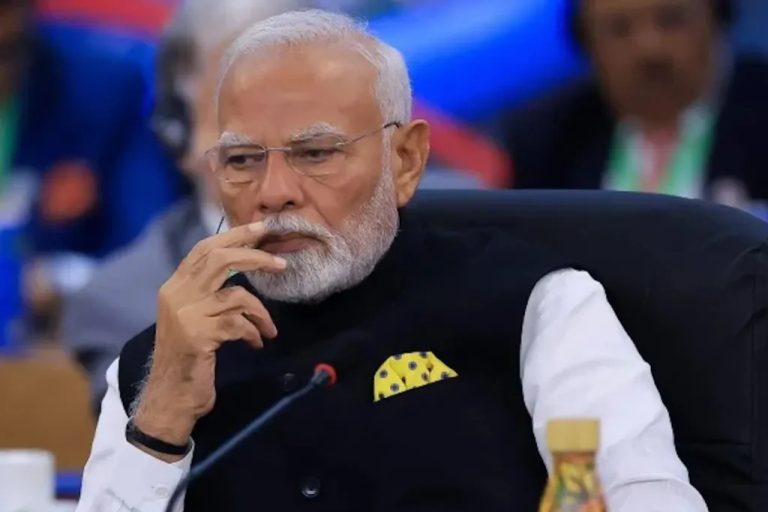
Prime Minister Narendra Modi’s government has prioritized protecting core economic stakes while avoiding actions that could alienate key partners. When Modi spoke with US President Donald Trump, the focus remained on ensuring stable energy flows and supply chains rather than pushing for a larger Indian role. External Affairs Minister S Jaishankar’s recent trip to the United Arab Emirates emphasized coordination and reassurance, not intervention. Critics see this as excessive caution, arguing that India has allowed Pakistan to gain diplomatic visibility through its hosting of talks in Islamabad.
Multiple Ties Constrain Choices
India’s position stems from genuine structural constraints rather than simple indecision. Close defense and technology ties with the United States pull in one direction, while energy imports and the Chabahar port project with Iran create competing priorities. Strong defense cooperation with Israel adds another layer, and deep economic links with Gulf states — including the livelihoods of millions of Indian workers — make any misstep politically costly at home. In this environment, bold alignment with any single side risks disrupting carefully balanced relationships.
Pakistan’s more visible role as a facilitator stems from different calculations. Geographically positioned between Iran and the Gulf, and backed by both Chinese investment and selective US engagement, Islamabad can host talks with lower domestic risk. Its efforts have generated optics of relevance, even if actual influence on outcomes remains limited. India, by contrast, has prioritized long-term flexibility over short-term spotlight, accepting the appearance of passivity to preserve maneuverability.
Energy dependence shapes much of New Delhi’s restraint. India imports substantial volumes through the Strait of Hormuz, making it highly sensitive to disruptions that drive up global prices. A prolonged crisis could widen the current account deficit and fuel domestic inflation, creating political headaches ahead of future elections. The large Indian diaspora across the Gulf adds another layer of caution, as any escalation could trigger evacuations or economic fallout that reverberates quickly back home.
Longer Game Versus Immediate Optics
This preference for behind-the-scenes engagement does not mean inaction. India has quietly worked to diversify energy sources and strengthen ties with Gulf partners through trade and investment. Yet the approach carries risks. Prolonged ambiguity could erode influence when the conflict eventually shifts toward settlement, where real leverage — economic weight, diaspora networks, and political capital — will matter more than hosting talks. As one analyst noted, what appears as strategic autonomy can sometimes blur into strategic ambiguity if risk aversion limits proactive shaping of outcomes.
Triggers could force a more assertive stance. Sustained spikes in energy prices or a major crisis involving Indian nationals in the Gulf would compel stronger diplomatic engagement. A full-blown alignment between a US-Israel-Gulf bloc and Iran could also make neutrality untenable, pushing India to recalibrate in defense of vital interests. Even then, New Delhi is unlikely to abandon its core principle of autonomy, preferring to stretch and adjust rather than abandon it entirely.
For now, India appears committed to its current path: engaged but not interventionist, watchful but not vocal. This reflects a deliberate choice to play the longer game in a region where unpredictability reigns, particularly with inconsistent signaling from Washington under Trump. Pakistan may enjoy the current optics of facilitation, but India’s deeper stakes in energy security, trade, and regional stability suggest its influence will become more apparent once the crisis moves from confrontation to actual settlement.
The coming weeks will test whether this calibrated restraint serves India well or leaves it sidelined when decisions are finalized. In an era of multipolar pressures, preserving flexibility carries costs but also offers resilience. India’s Gulf dilemma ultimately highlights the challenges of navigating great-power rivalry while safeguarding core national interests in an interconnected world.
Original analysis inspired by Raghu Gururaj from Asia Times. Additional research and verification conducted through multiple sources.