
Türkiye’s Neutrality Tests Regional Balance After Iran Ceasefire
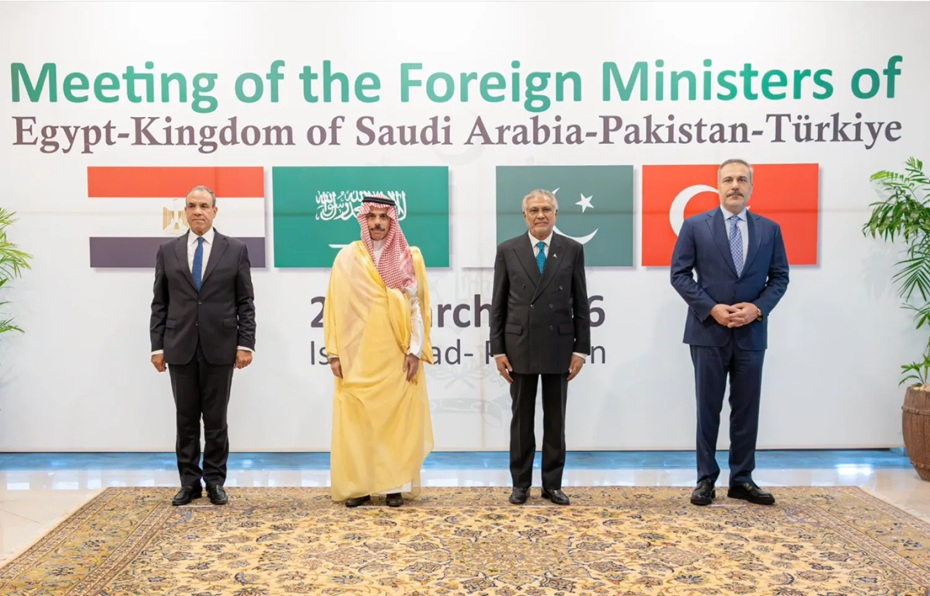
Türkiye has successfully navigated the recent Middle East conflict by maintaining a policy of “strategic flexibility.” While avoiding direct entanglement, Ankara has leveraged the disruption of traditional routes to boost its role as a key energy transit hub via the Kirkuk-Ceyhan pipeline, while positioning itself as a pragmatic mediator alongside the STEP quartet.
Orban’s Ouster Reshapes Hungary and Europe
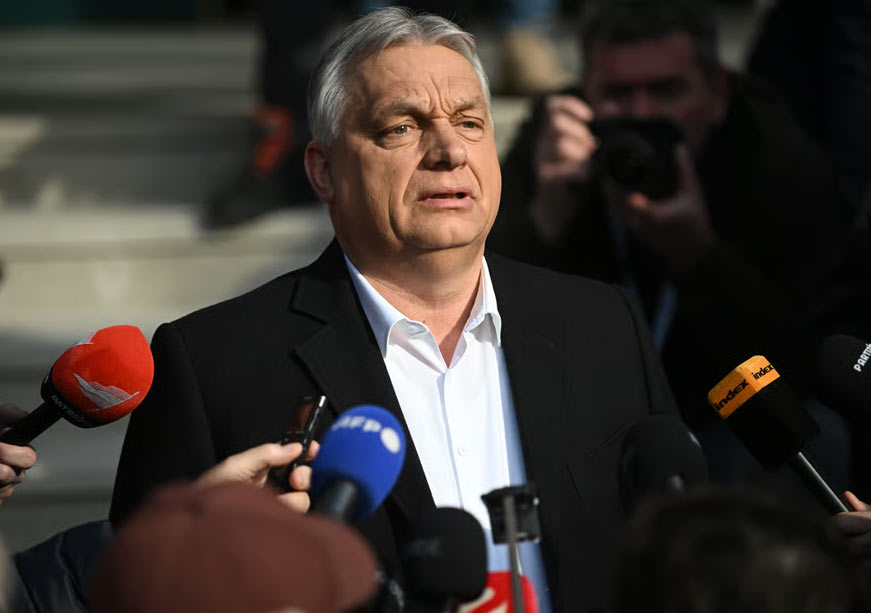
In a historic political upheaval, Hungarian voters have ended Viktor Orban’s long-standing grip on power, awarding Peter Magyar’s Tisza party a decisive supermajority. The result reflects deep-seated frustration with economic stagnation and corruption, potentially removing a major obstructionist voice within the EU and reshaping the landscape of European populism.
Iran War Triggers Global Sulfur Supply Crisis
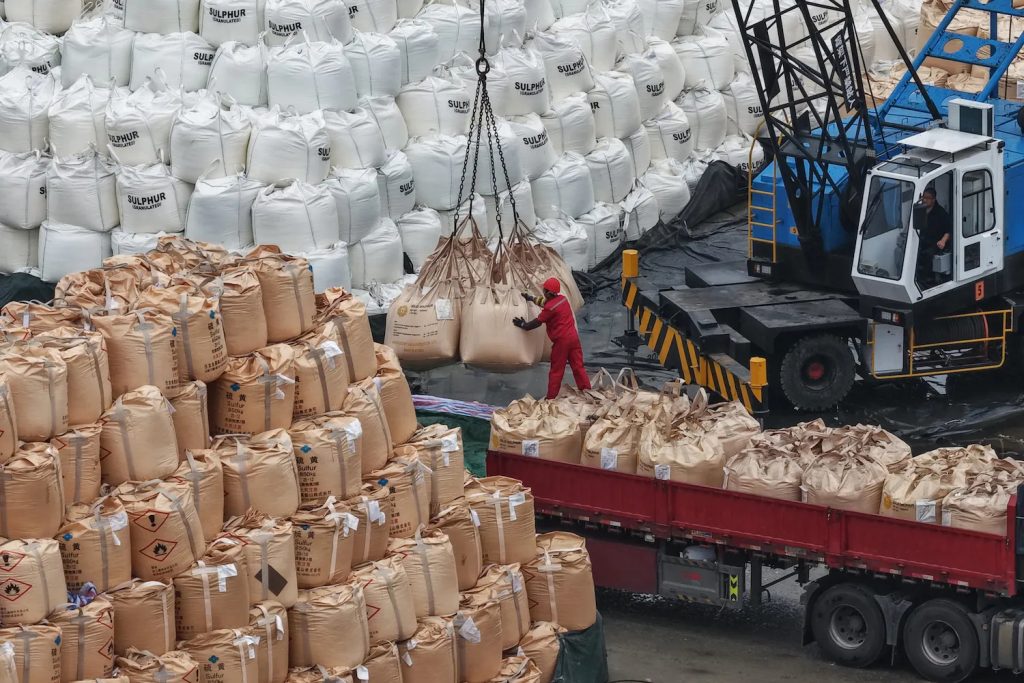
Beyond oil and gas, the Iran conflict has triggered a severe global sulfur shortage. As a critical byproduct of energy production, Middle Eastern sulfur exports underpin the world’s fertilizer, nickel, and copper industries. With major producers like Turkey and China imposing export bans, the “sulfur crunch” is now emerging as a major threat to global food security and the green energy transition.
India Navigates Gulf Tensions With Strategic Caution
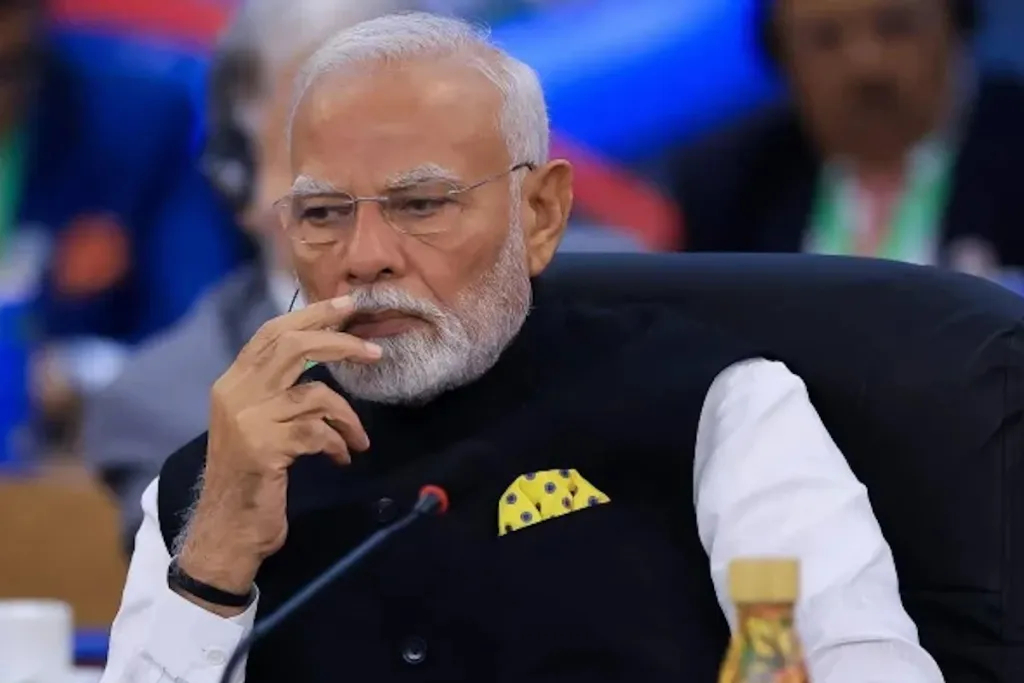
India is navigating the current Iran-US crisis with a policy of “calibrated restraint,” prioritizing energy security and the welfare of its massive diaspora over high-profile mediation. While Pakistan gains visibility as a facilitator, New Delhi is focusing on long-term flexibility, protecting its structural interests in Chabahar and the Gulf while avoiding entanglement in great-power rivalry