
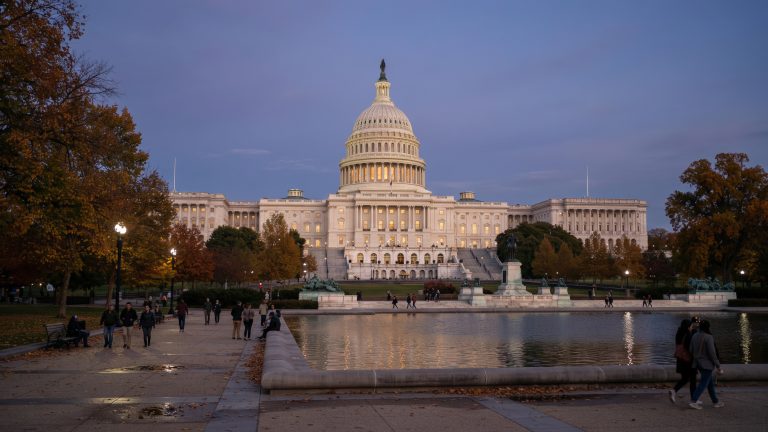
Following the November 2026 midterm elections, Democrats won majorities in both chambers of Congress, securing 56 Senate seats and a commanding House margin. Arab Center Washington DC analyst Amy Hawthorne notes that voter frustration over the conflict with Iran, high energy prices, and allegations of foreign financial ties helped drive the party to victory. Still, foreign policy specialists question whether incoming legislative leaders can translate that electoral mandate into lasting changes across the Middle East when the new session opens in January 2027. President Donald Trump retains executive veto authority, while ideological divisions within the Democratic caucus and Republican resistance in the Senate complicate efforts to redirect American policy.
Legislative Hurdles in Ending the Iran War
Democratic lawmakers largely agree on ending military operations against Iran that began in February 2026, yet analysts warn that constitutional and procedural barriers limit congressional leverage. Former diplomat Ryan Crocker of the Middle East Institute argued that control over federal defense appropriations gives Democrats their strongest tool to pressure the White House during upcoming budget negotiations. Even so, Crocker cautioned that forcing a government shutdown over military spending carries political risks, and overriding a presidential veto requires a two thirds majority in both chambers. Meanwhile, Vice President JD Vance publicly blamed the Iran conflict for Republican midterm losses, while Trump maintained that military action remained necessary to prevent Tehran from acquiring nuclear weapons.
Lawmakers have also turned to the 1973 War Powers Resolution to challenge unauthorized military action, though previous votes produced mixed outcomes. Both chambers adopted a bipartisan concurrent resolution in June 2026 calling for the withdrawal of American forces, which Trump ignored because concurrent measures do not require a presidential signature. Senate Republicans later rejected a binding war powers measure in November 2026, leaving Democrats short of the supermajority needed to force an immediate halt. Hawthorne observes that even if Congress passes binding restrictions next year, the White House could contest the legal definition of hostilities while Democrats rely on hearings and potential impeachment efforts against Pentagon chief Pete Hegseth to build political pressure.
Divided Views on Military Aid to Israel
Debate over military assistance to Israel has shifted sharply since Trump announced on Election Day that Washington would end its annual grants by the end of 2026, though administration officials later clarified that existing commitments run through 2028. Progressive Democrats, including Congressional Progressive Caucus Chair Greg Casar, demand an immediate cutoff of Foreign Military Financing and tighter restrictions on weapons transfers over Israeli operations in Gaza and the West Bank. By contrast, the American Jewish Committee noted that moderate Democrats with records of supporting Israeli security still form the bulk of the incoming caucus, favoring a gradual transition paired with continued commercial arms sales. Israeli Prime Minister Benjamin Netanyahu has similarly acknowledged that direct financial aid will taper over time, shifting the legislative fight toward what framework should replace it.
That dispute centers on provisions in the Fiscal Year 2027 National Defense Authorization Act designed to deepen bilateral defense technology integration in missile defense, artificial intelligence, and drone countermeasures. Democratic Senator Kirsten Gillibrand introduced bipartisan legislation backing the initiative alongside Republican Senator Ted Budd, contending that joint research strengthens American military capabilities. Conversely, Senator Chris Van Hollen and eleven colleagues urged congressional leaders in November 2026 to strip the provisions, warning that mandatory integration weakens oversight while undermining American interests and values. Advocacy group J Street has taken a middle stance, endorsing bilateral defense cooperation only if Israel upholds the October 2025 Gaza ceasefire and halts West Bank settlement expansion.
Congressional Oversight and Competing Priorities
Holding committee gavels in January will allow House Democrats led by incoming Oversight Chair Robert Garcia to subpoena records regarding Gulf investments in ventures linked to Trump, Middle East envoy Steve Witkoff, and advisor Jared Kushner. White House spokesperson Anna Kelly defended both envoys, stating that Witkoff divested from his cryptocurrency firm and that private business dealings remain separate from diplomatic work. Carnegie Endowment scholar Jennifer Hendrixson White notes that while public hearings can generate political pressure, legal battles over subpoenas and presidential immunity make swift criminal accountability unlikely. Internal disagreement over legislative priorities further complicates the Democratic agenda ahead of the 2028 race. Newly elected Wisconsin Representative Rebecca Cooke argued that voters expect immediate relief on the cost of living, suggesting that prolonged administration investigations should wait until Congress delivers tangible economic results.
Original analysis inspired by Amy Hawthorne from The New Arab.
Additional research and verification conducted through multiple sources.