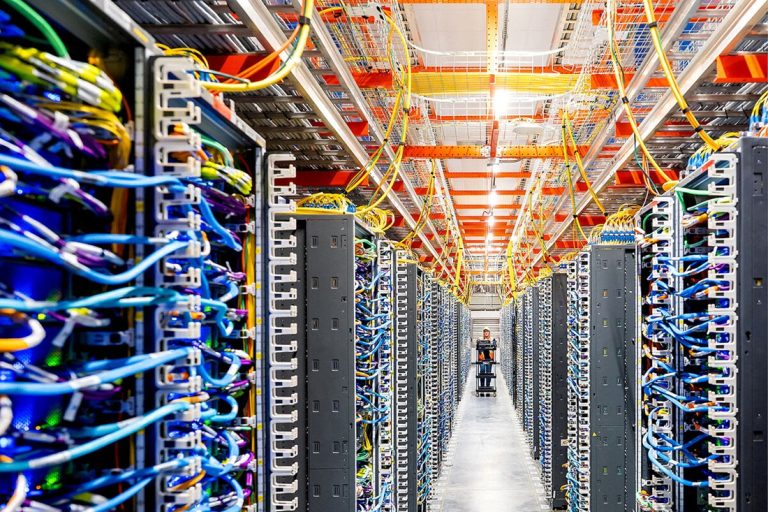
For the past several years, Silicon Valley executives and state economic developers treated rural and suburban America as an endless frontier for artificial intelligence infrastructure. The 2026 midterm elections abruptly ended that expansion era. Across the country, community frustration over soaring residential electricity bills, strained municipal water supplies, and sprawling industrial footprints coalesced into a bipartisan political force. Voters did not merely complain about tech conglomerates shifting grid upgrade costs onto ordinary families; they actively used the ballot box to halt construction projects and unseat politicians viewed as overly friendly to the industry.
Down Ballot Sweeps and Market Fallout
The backlash reached its peak in major statewide contests where utility affordability became a central campaign theme. In Texas, a state rapidly challenging Virginia as the world’s largest hub for computing infrastructure, Democrat Gina Hinojosa defeated three term Republican Governor Greg Abbott after campaigning on a statewide construction pause and accusing state leaders of prioritizing corporate developers over rural ranchers and dwindling aquifers. Even though Abbott ordered an audit of hundreds of pending projects prior to the vote, voters backed Hinojosa’s pledge to protect household ratepayers.
Similar dynamics played out across the industrial Midwest and the South. In Ohio, former Democratic Senator Sherrod Brown reclaimed his seat in the U.S. Senate against Republican incumbent Jon Husted in a race heavily defined by local opposition to hyperscale server farms. In the Ohio gubernatorial contest, Democrat Amy Acton won her race after pledging to block projects that fail to meet strict community and utility standards. Meanwhile, in South Carolina, Democrat Annie Andrews unseated Republican Senator Darline Graham after advocating for development limits, while Kansas gubernatorial contenders Democrat Cindy Holscher and Republican Ty Masterson clashed directly over proposed moratoriums.
Financial markets reacted immediately to the shifting regulatory climate. Wall Street equities tumbled on Thursday as the S&P 500 suffered its steepest drop since April 2025, driven largely by investor fears that incoming state and federal leaders will enforce strict construction freezes across key markets. Facing mounting resistance on the ground, tech billionaire Elon Musk—whose artificial intelligence venture xAI operates massive computing clusters—even joked online about moving future server infrastructure into outer space.
A Grassroots Wave of Local Bans
While statewide races grabbed national headlines, municipal referendums delivered the most direct blow to tech developers. Across dozens of local ballot measures in states including Ohio, Maine, Illinois, and Kansas, residents overwhelmingly approved new zoning restrictions, permitting moratoriums, and outright prohibitions on high capacity facilities. Only a single small municipality in North Dakota rejected additional review requirements. In several communities across Ohio, Oklahoma, and Michigan, angry residents went a step further by launching recall drives against mayors and city commissioners who had quietly greenlit server complexes without public input.
National polling confirms that this skepticism cuts straight across traditional partisan divides. Surveys conducted during the midterm cycle showed that 88 percent of Democratic voters, 80 percent of independents, and 61 percent of Republicans oppose building new data centers in their local communities. Nearly three quarters of Americans also believe the government is doing too little to regulate artificial intelligence and its physical footprint.
Industry groups like the Data Center Coalition continue to warn that municipalities shutting their doors to tech investment will forfeit significant tax revenues, domestic manufacturing growth, and construction jobs to neighboring regions. Yet for millions of Americans dealing with inflated utility bills and environmental strain, those economic promises no longer outweigh the immediate costs. Elected officials entering office in January now face an unmistakable mandate: the era of unchecked, taxpayer subsidized tech expansion is over, and future artificial intelligence growth will have to pay its own way.
Original analysis inspired by Story Hinckley from The Christian Science Monitor. Additional research and verification conducted through multiple sources.