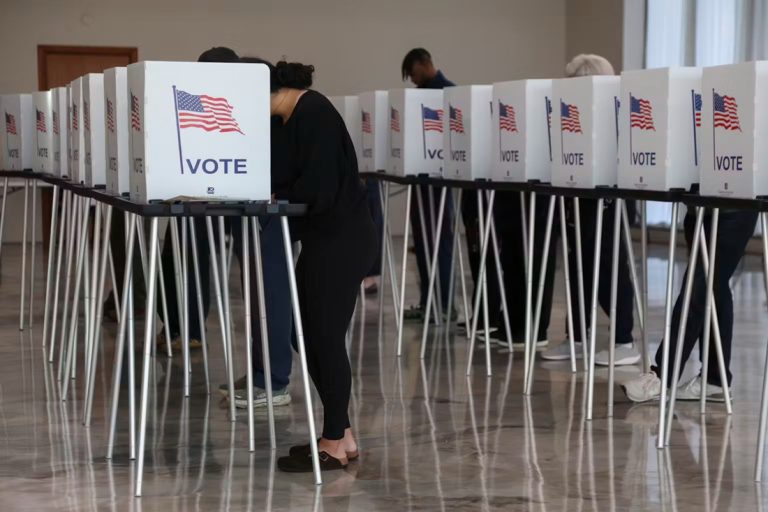
Protectionist trade policies that once enjoyed bipartisan support in Washington suffered a decisive rebuke in the November 2026 midterm elections. After President Donald Trump expanded import duties to cover fifty four percent of all goods entering the United States, consumer anger over grocery and retail prices fueled a sweeping Democratic victory in both chambers of Congress. Exit polling showed that sixty five percent of voters believed the administration tariff agenda damaged the national economy, imposing an estimated annual cost between eight hundred and eleven hundred dollars on the average American household.
Executive Overreach and Statutory Loopholes
Over the past two years, the White House bypassed Congress by exploiting obscure and outdated trade statutes to erect massive trade barriers. When the Supreme Court ruled in February 2026 that the International Emergency Economic Powers Act does not authorize presidential tariffs, the administration immediately pivoted to Section 122 of the Trade Act of 1974 to impose ten percent import surcharges. Even after the Court of International Trade struck down that maneuver, officials invoked a dormant 1930 Smoot Hawley provision under Section 338 to slap fifty percent duties on twenty billion dollars of Canadian goods, sparking immediate retaliation from Ottawa against twenty seven billion dollars of American exports.
When temporary surcharges lapsed in July, the administration replaced them with Section 301 tariffs of ten to twelve point five percent across sixty economies, which Tax Foundation analysts estimate affect nearly one trillion dollars in annual imports. Simultaneously, the Commerce Department stretched Section 232 national security authorities to tax steel, aluminum, copper, automobiles, lumber, furniture, and pharmaceuticals. This relentless statutory improvisation demonstrates how decades of congressional delegation left the executive branch with unchecked power to wage economic warfare against allies and domestic consumers alike.
Reclaiming Constitutional Trade Authority
Campaigning against high prices was straightforward for opposition candidates, who spent fifty eight million dollars on anti tariff advertisements while Republicans spent nothing defending the levies. Governing, however, presents a steeper hurdle given that the Biden administration previously retained and expanded several first term China tariffs. Incoming congressional leaders cannot simply criticize executive protectionism while leaving the underlying statutory weapons intact for future presidents.
Although President Trump will likely veto standalone repeal bills over the next two years, lawmakers have strong public backing to force recorded votes and attach trade restrictions to mandatory spending legislation. Surveys indicate that seventy percent of Americans, including fifty six percent of Republicans, believe presidents should require explicit congressional approval before imposing new duties. Repealing Section 122 and Section 338 entirely while requiring sixty day congressional ratification for any Section 232 or Section 301 action would restore constitutional checks on unilateral trade wars.
Original analysis inspired by Clark Packard from Cato Institute. Additional research and verification conducted through multiple sources.