Tag: Tech War

Close-up of a person holding an 'I Voted' sticker with the American flag design between their fingers.

Redistributing Economic Power in American Elections

Despite strong macroeconomic growth, soaring living costs and deep wealth inequality are driving a populist resurgence in American politics. Voters increasingly reject superficial relief, demanding bold antimonopoly action and structural reforms that challenge entrenched corporate dominance and empower everyday workers.

Read More »
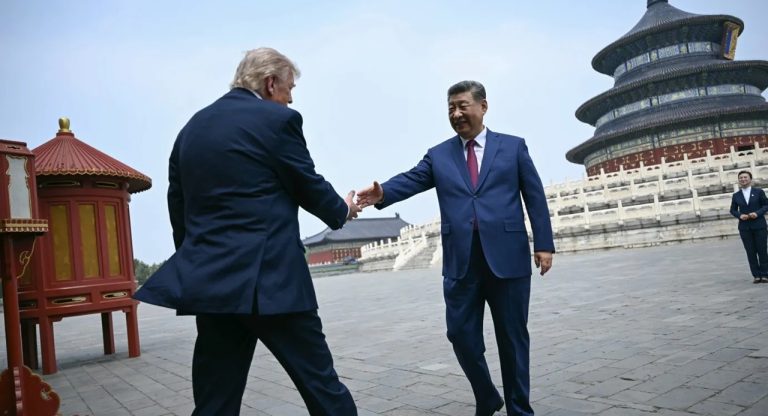
Donald Trump shaking hands with Chinese President Xi Jinping in Beijing.

Establishing a Reliable US-China Artificial Intelligence Hotline

As autonomous AI agents increase the risk of accidental cross-border incidents, existing US-China communication channels remain dangerously outdated. Experts urge both superpowers to establish a dedicated, text-based AI crisis hotline staffed by technical specialists to enable rapid de-escalation before an algorithmic malfunction triggers a major diplomatic crisis.

Read More »
Silhouetted fighter jets lined up on the flight deck of an aircraft carrier at dusk.

Why the American Military Faces an Attrition Trap

Western defense doctrines face a critical challenge as modern warfare shifts toward prolonged attrition. Despite economic advantages, advanced militaries struggle with industrial bottlenecks, rapid missile consumption, and transparent battlefields. To avoid perpetual conflict, policymakers must abandon hopes of swift victories and rebuild deep industrial and strategic endurance.

Read More »
Digital sphere featuring the Chinese flag surrounded by a glowing neural network mesh.

The Artificial Intelligence Battle Dividing Washington and Beijing

A sharp divide in artificial intelligence strategy is taking shape between Washington and Beijing. While American policymakers prioritize export restrictions and capability ceilings, China is distributing low-cost, open-weights tools across the Global South. This growing friction forces developing nations to choose between expensive Western models and accessible Eastern alternatives.

Read More »
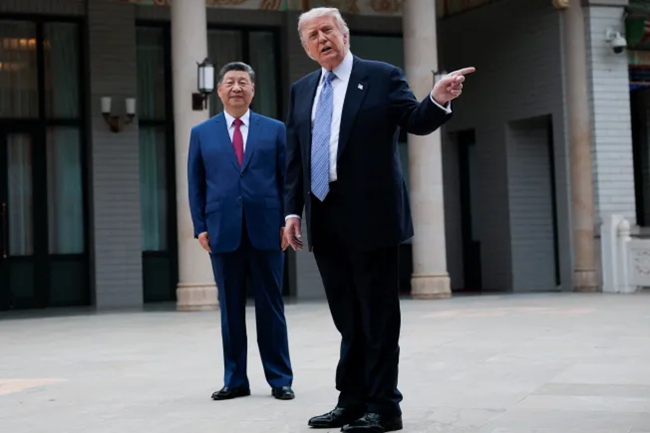
Donald Trump gesturing while standing alongside Xi Jinping outdoors.

Why Trump and Xi Cannot Stop the US China Spiral

Despite hopes for a historic diplomatic breakthrough, mismatched leadership dynamics leave Washington and Beijing trapped in ongoing trade friction. Trump’s volatile approach clashes with Xi’s rigid refusal to compromise, showing that personal charm cannot solve deep-seated structural rivalries or prevent further economic retaliation between the two powers.

Read More »
High-angle black and white silhouette of multiple runners moving together.

Why Tech Billionaires Risk Artificial Intelligence Apocalypse

Prominent tech investors are embracing a techno-optimist ethos that frames rapid AI advancement as a vital civilizational goal. By dismissing safety regulations and environmental concerns as stagnation, Silicon Valley prioritizes unchecked technological expansion over internal alarms about catastrophic systemic risks and society-wide disruptions.

Read More »
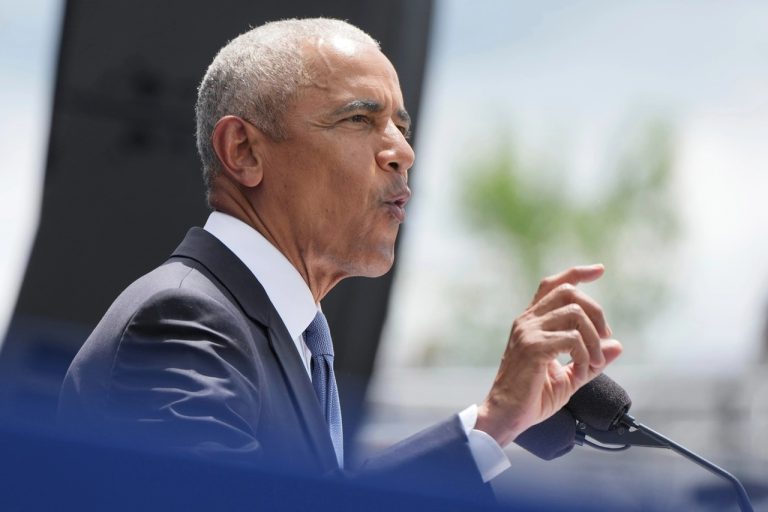
Former U.S. President Barack Obama speaking into a microphone with his hand raised.

Why Obama Wants Democrats to Rethink Artificial Intelligence Policy

Moving away from his administration’s past tech restraint, Barack Obama is advising Democratic leaders to prioritize immediate AI regulation. Facing widespread public fear over job automation and corporate concentration, the party is weighing strict safety frameworks against conservative demands to prioritize global technological dominance.

Read More »
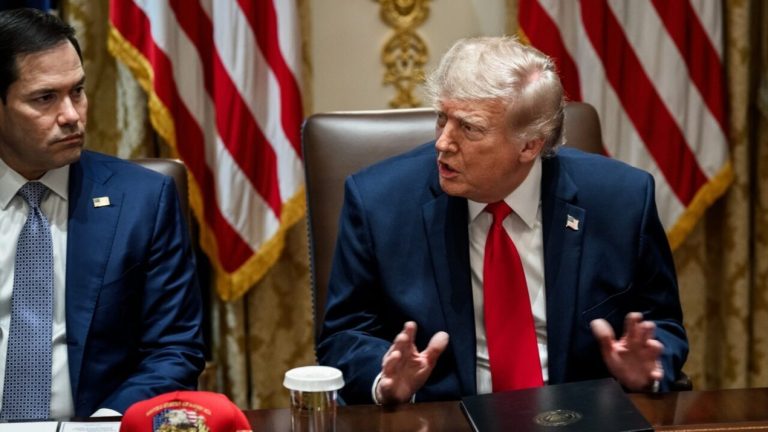
Donald Trump speaking while seated at a conference table next to Marco Rubio in front of U.S. flags.

Federal Equity Stakes Redefine Capitalism to Protect American Markets

Federal investments in strategic private enterprises represent a pragmatic shift to protect critical US supply chains from predatory foreign competition. By taking direct equity stakes rather than offering simple grants, the government absorbs systemic risks in key industries like semiconductors, ensuring public capital actively safeguards national security against geopolitical leverage.

Read More »
Two military tanks driving on a dirt terrain under a cloudy sky.

Autonomous Drone Warfare Faces Command and Control Crisis

Western militaries are investing billions in autonomous drone warfare, but undefined command structures and corporate ethical guardrails pose a major threat. When civilian algorithms block combat strikes, officers lack clear override authority. Without precise operational doctrine, even the most advanced defense technology risks complete paralysis during live engagements.

Read More »
Illustrated image of cargo ships and heavy rocks being squeezed through a blue funnel held by a suited hand.

Chokepoints Are Becoming the New Currency of Global Power

Global power is no longer measured solely by armies or economies. Control over critical infrastructure—from shipping lanes and rare minerals to satellite networks—has become the ultimate currency of geopolitical leverage. As private corporations and single nations hold the keys to essential systems, nations face a growing risk of concentrated authority. Discover how nations are navigating these new vulnerabilities and why reducing dependency is essential for future resilience.

Read More »
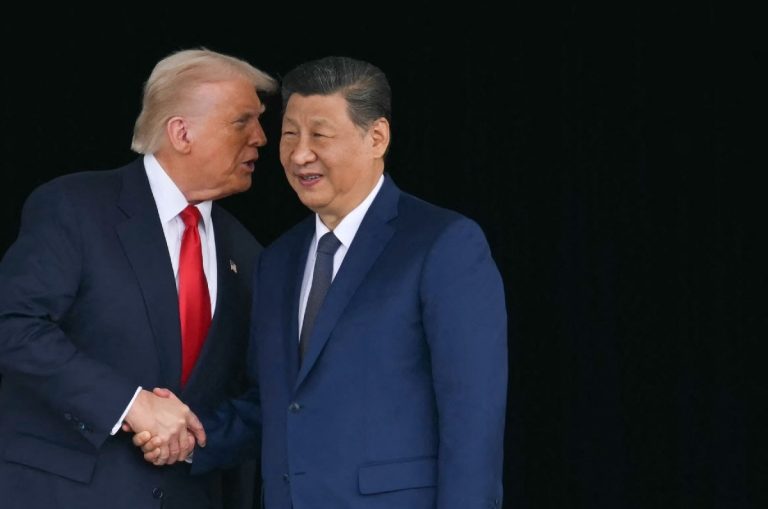
Donald Trump shaking hands with Xi Jinping.

Trump’s Taiwan Arms Gamble Is Rattling the Indo-Pacific

Senator Tammy Duckworth’s arrival in Taipei marks a critical response to recent shifts in U.S. policy. As Trump casts doubt on long-standing arms commitments, Duckworth is reframing Taiwan’s autonomy as a vital economic and strategic necessity, emphasizing its role in the global semiconductor supply chain to secure lasting bipartisan support.

Read More »
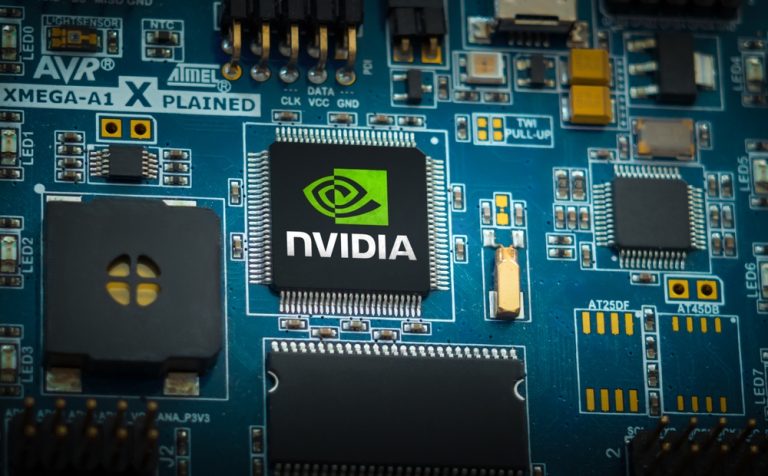
A close-up view of a high-performance NVIDIA computer chip mounted on a complex blue circuit board.

America’s Chip War Is Misfiring and Beijing Is Taking Notes

US export controls aimed at freezing China’s semiconductor progress have backfired. Instead of containment, these measures have spurred Beijing to aggressively scale domestic production. As the global tech landscape bifurcates, policymakers must now decide if current restrictions are protecting national security or simply eroding the revenue needed for American innovation.

Read More »