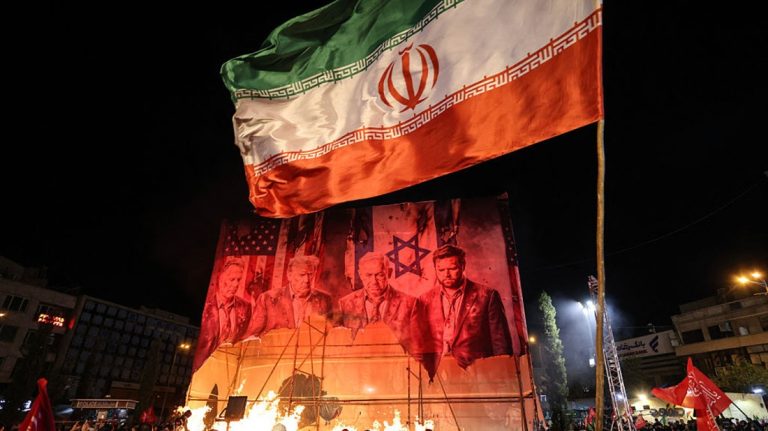
Maritime blockades rarely decide domestic elections thousands of miles away, yet the chokehold on the Strait of Hormuz just achieved exactly that. For eight months, Tehran has absorbed punishing airstrikes from Washington and Tel Aviv while struggling to repair damaged infrastructure under heavy sanctions. Rather than attempting to match American firepower missile for missile, Iranian strategists turned a vital global shipping lane into a domestic political weapon. By squeezing maritime traffic in the Persian Gulf, Iran pushed global crude prices above $126 a barrel earlier this year and sent shockwaves directly to American gas pumps and grocery aisles. That economic pain ultimately cost President Donald Trump control of both the House and the Senate in the November midterm elections.
Unlike previous Middle Eastern conflicts where domestic debates revolved around national debt and defense budgets, the current confrontation hit household incomes almost immediately. Disruptions across Gulf shipping routes drove natural gas and chemical input costs sharply upward, causing the price of essential agricultural fertilizers like monoammonium and diammonium phosphate to surge by up to 70 percent. Farmers in traditional Republican strongholds such as Kansas and Texas suddenly faced unsustainable operating bills right before heading to the polls. Voters did not need to follow Pentagon briefings to feel the war at their local fuel stations. When Vice President JD Vance publicly blamed the military campaign for the Republican wipeout in both chambers of Congress, he confirmed that Tehran had successfully erased the buffer separating foreign intervention from domestic politics.
Divided Counsel in Tehran
Inside the Iranian capital, the Republican electoral defeat has sparked an intense debate over how to cash in on this newfound leverage before the new Congress takes office in January. One faction, aligned with Supreme Leader Mojtaba Khamenei and Supreme National Security Council Secretary Mohsen Rezaei, views the American vote as proof that economic attrition works. Having watched the Joe Biden administration maintain strict sanctions and military backing for Israel during the Gaza war, hardliners harbor no illusions that a Democratic majority will suddenly become friendly toward Tehran. Instead, Rezaei has demanded that Washington fully implement seven core conditions before maritime traffic resumes, pointing to unresolved disputes from earlier talks in Islamabad over transit fees and shipping management. From this perspective, trading away the Hormuz blockade for mere diplomatic promises would squander Iran’s strongest card just as Washington shows signs of exhaustion.
Pragmatic voices within the Iranian establishment warn against overplaying that hand. Former diplomat Kourosh Ahmadi and other moderate analysts argue that demanding total control over the waterway equates to forcing an unconditional surrender upon the White House. Because Donald Trump cannot afford to accept total international humiliation, pushing him into a corner leaves mutual concessions as the only realistic exit. Qatari mediators have actively pursued a middle ground, proposing an arrangement that would unfreeze over $6 billion in Iranian assets and lift port blockades in exchange for safe commercial passage. Even brief signals from Tehran that negotiators had authority to advance talks recently sent Brent crude prices down by more than six percent, demonstrating how desperately global markets want a settlement.
The Lame Duck Danger
The sharpest danger now lies in the eight weeks before newly elected lawmakers take their seats on January 3. Once in power, the incoming Democratic majority could invoke the War Powers Resolution or restrict military funding through आगामी appropriations bills to constrain executive action. Facing a narrow window of unchecked authority, a bruised White House might feel tempted to launch a concentrated military offensive to force open the strait or cripple Iranian nuclear sites before congressional oversight tightens.
Yet a rapid military victory remains elusive because the targeted adversary gets a vote in how the battle unfolds. Prime Minister Benjamin Netanyahu has every incentive to widen any American strike into a broader regional campaign, while Tehran can simply absorb the bombardment and keep the shipping lane closed to deny Trump a clean exit. Regardless of whether the next two months bring a sudden military escalation or a tense breakthrough in Doha, the midterm elections have permanently altered the strategic calculus. Tehran did not choose the next American legislature, nor did it win sympathetic allies on Capitol Hill. By weaponizing global supply chains, however, Iran proved that it can make a superpower pay a steep domestic price for waging war abroad, ensuring that any future settlement must deliver concrete action rather than empty rhetoric.
Original analysis inspired by Peiman Salehi from The New Arab. Additional research and verification conducted through multiple sources.