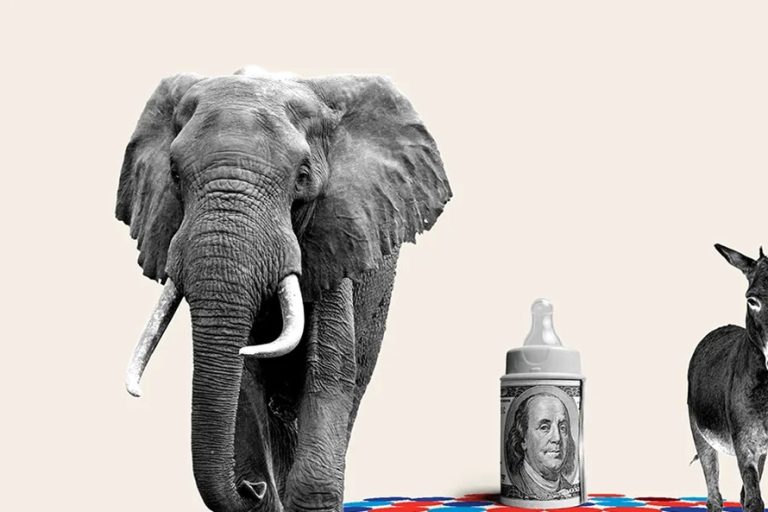
Several high-profile primaries this cycle have shown that large financial advantages no longer guarantee success. Candidates who built dense networks of volunteers, direct voter contact, and social media reach defeated better-funded opponents in races that once seemed decided by advertising budgets. The pattern appears across both parties and suggests that campaign infrastructure and personal outreach can outweigh the spending power of Super PACs in competitive contests.
The shift stands in contrast to the era that followed the Supreme Court decision in Citizens United. That 2010 ruling removed longstanding limits on independent expenditures by corporations and unions, enabling the rise of Super PACs that can raise and spend unlimited sums. For years afterward, the candidate with superior resources usually prevailed. Recent results indicate that this relationship has become less reliable when one side invests heavily in field operations and message discipline.
In New York City, Zohran Mamdani overcame a substantial financial deficit against Andrew Cuomo in both the Democratic primary and the general election. Mamdani assembled a volunteer force that knocked on more than a million doors and held hundreds of thousands of conversations. He also cultivated a large social media following that amplified his focus on affordability. Cuomo and allied groups relied primarily on advertisements and still fell short.
Texas produced a parallel outcome on the Republican side. Attorney General Ken Paxton defeated four-term Senator John Cornyn in a runoff despite being outspent by roughly nine to one. Paxton drew energy from a Trump endorsement and a grassroots coalition that mobilized base voters. Cornyn’s advertising edge proved insufficient once the contest moved to a head-to-head vote. Similar dynamics appeared in Michigan, where Abdul El-Sayed narrowly won the Democratic Senate primary against better-funded Haley Stevens by emphasizing direct contact and a message centered on working-class concerns. He later secured a volunteer network that continues to support him in the general election.
Iowa offered another example when Zach Lahn won the Republican gubernatorial primary after trailing in fundraising. His campaign stressed an “Iowa First” theme, maintained close ties to local activists, and received volunteer support from a Make America Healthy Again-aligned group. Direct engagement with voters compensated for the spending gap.
These results do not mean money has become irrelevant. Outside groups still shape the information environment, and Republicans retain a substantial cash advantage through Super PACs. Yet Democrats have directed resources toward permanent state-level infrastructure rather than matching every advertising dollar. Party leaders argue that sustained organizing capacity allows them to compete without equal funding. If current forecasts hold and Democrats make gains in November, the cycle will reinforce the view that candidate quality, volunteer networks, and consistent voter contact now function as decisive resources in many races.
Original analysis inspired by Alex J. Rouhandeh from Newsweek. Additional research and verification conducted through multiple sources.