
Pentagon Plans Livestreamed Firing Squad for Fort Hood Shooter

The Pentagon announced plans to broadcast the December 3 execution of Fort Hood shooter Nidal Hasan by firing squad. The controversial move breaks decades of military precedent, drawing sharp condemnation from bipartisan lawmakers and religious leaders over public executions.
Organizing Outperforms Cash in Key 2026 Midterm Races

In key 2026 primaries, grassroots field operations repeatedly beat massive spending advantages. Across both parties, volunteer networks, direct voter outreach, and clear messaging proved far more decisive than heavy Super PAC ad blitzes.
Houthi Advances Risk Red Sea Energy and Trade Shock
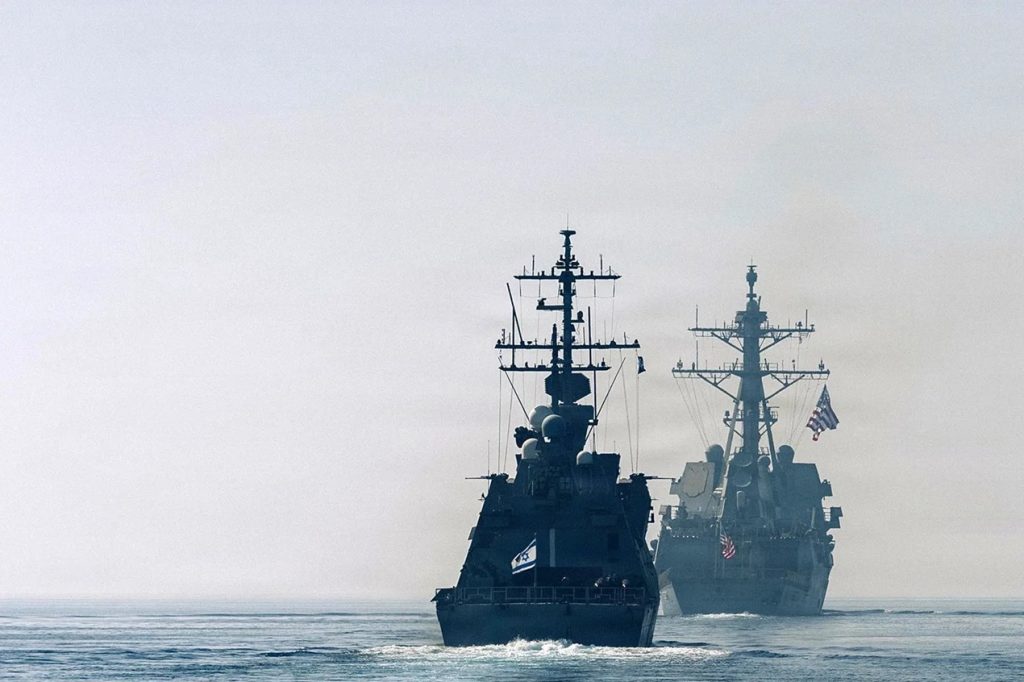
Houthi advances near the Bab el-Mandeb strait threaten global trade and energy markets. With the Red Sea and Hormuz facing simultaneous strains, prolonged disruptions risk heavy delays, soaring shipping costs, and renewed inflation worldwide.
Hidden European Voters May Sway France 2027 Election

Europe will be central to France’s 2027 presidential race, but not as a simple left-right divide. Widespread skepticism cuts across all parties. Unconventional voters—from EU-friendly leftists to security-minded right-wingers—could decide the crucial second round.
Gaza Conflict Turns Palestine into Global Moral Test
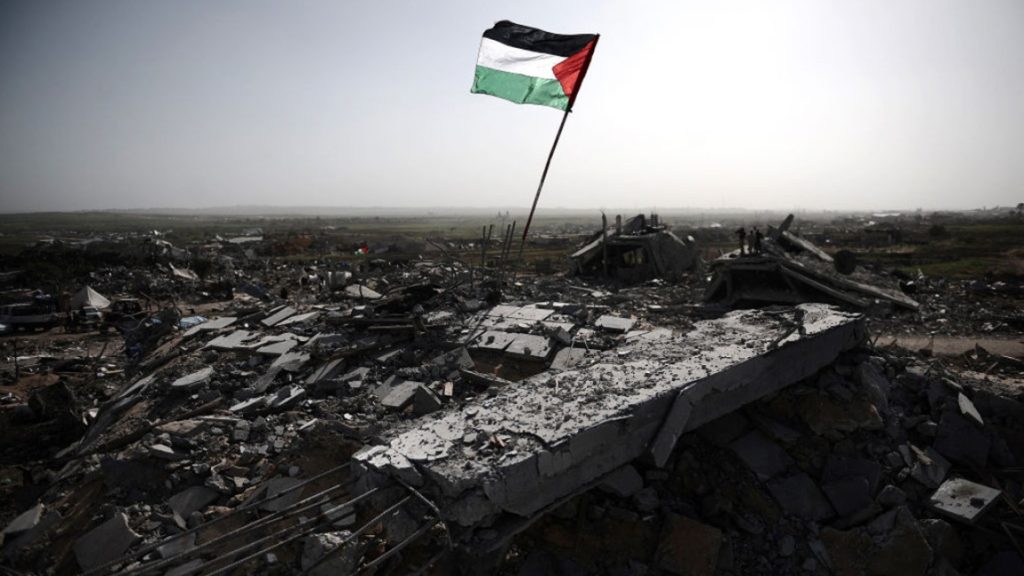
Widespread destruction in Gaza has triggered legal scrutiny from international courts and eroded unconditional backing among Western allies. With Palestine emerging as a litmus test for global human rights and international law, the gap between public outrage and official policy continues to widen.
DOGE Cuts Reduced Federal Expertise and Accountability

Aggressive downsizing under the Department of Government Efficiency drained vital federal agencies of institutional knowledge and technical expertise. Amid legal conflicts, weakened oversight, and unverified savings, the cuts impaired core operations and underscored the durable cost of rushed civil service cuts.
China Builds Layered Maritime Control East of Taiwan
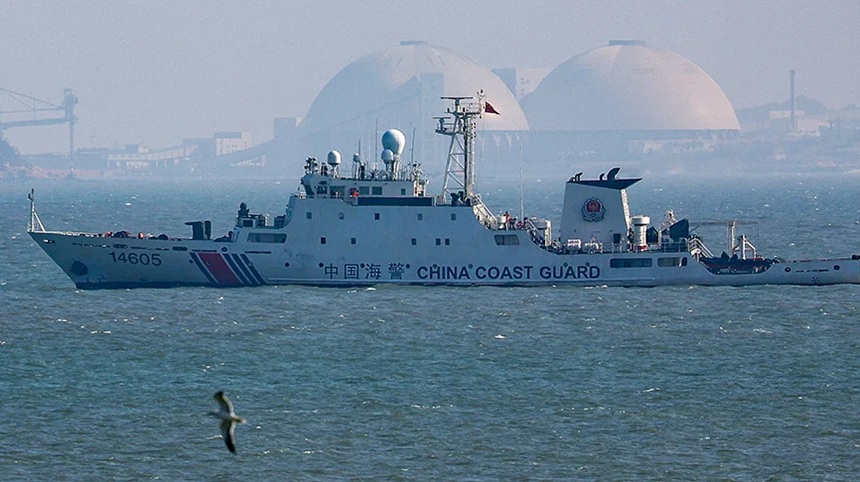
Beijing is steadily building a layered maritime presence east of Taiwan through coast guard patrols, rescue services, and scientific surveys. By inspecting commercial ships and asserting civilian jurisdiction, China is expanding quiet gray-zone control without triggering open military conflict.
War rages on in Lebanon
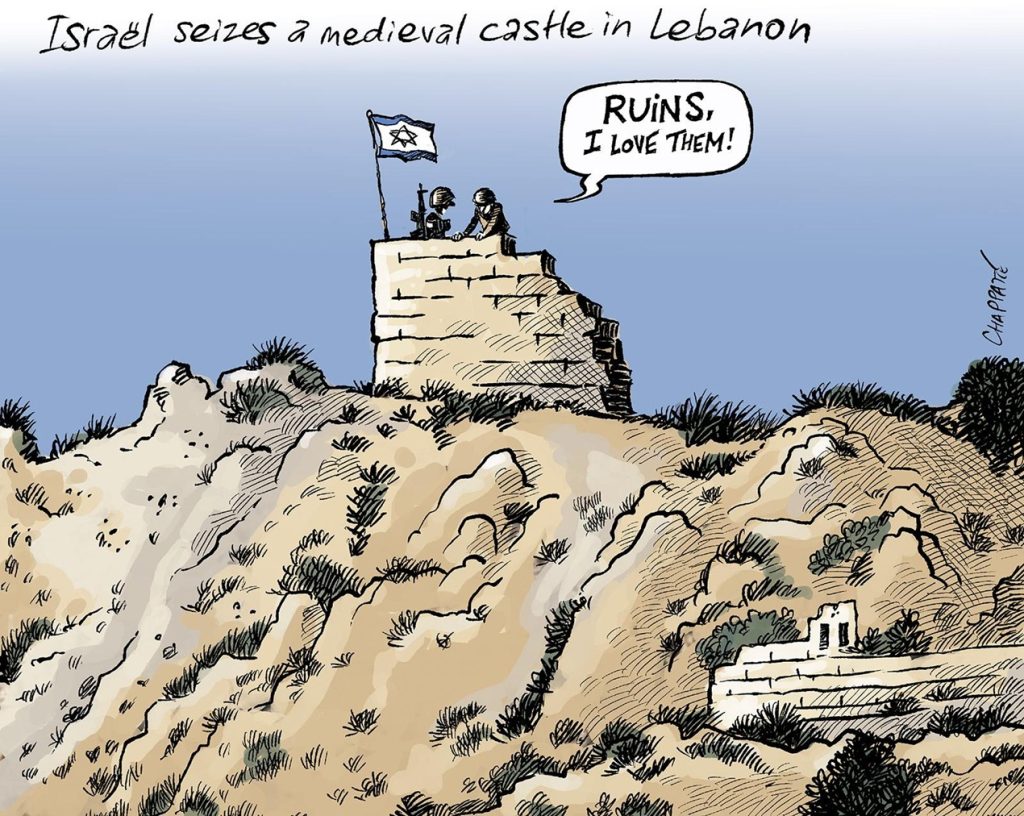
Analysis: The illustration depicts two Israeli soldiers raising their national flag atop a dilapidated hilltop fortification (referencing Beaufort Castle), with one remarking, “Ruins, I love them!”[cite: 1]. Chappatte delivers a biting double entendre that equates the capture of ancient stone remnants with the widespread destruction visited upon Lebanon’s contemporary civilian and physical infrastructure[cite: 1]. Strategically, the cartoon frames the cross-border incursion as an empty operational trophy—symbolizing an entrenched doctrine that manufactures desolation without achieving long-term strategic pacification or political stability.
BRICS+ Expansion | Geopolitics, South-South Cooperation, and the New Multipolar Order

Analysis: The video breaks down the financial and regulatory mechanisms through which Global South economies are reducing structural dependence on Western clearing mechanisms. By expanding bilateral local-currency trade settlements and developing alternative interbank networks, emerging powers are immunizing themselves against unilateral financial coercion. The strategic take is clear: de-dollarization is operating not as a single dramatic event, but as an incremental insulation strategy that limits the projection of U.S. economic statecraft.
Shifting Tides in Ukraine – Lawrence Freedman on the Future of the War

Analysis: The discussion evaluates the transition of the Ukrainian theater into an industrialized war of attrition, emphasizing how force-generation limits and technological adaptation dictate frontline durability. Freedman underscores that tactical innovations—such as mass drone integration—cannot fully compensate for systemic deficits in munitions production and strategic political clarity among Western allies. The broader analytical takeaway demonstrates that the conflict continues to test Western strategic resolve while solidifying Russia’s institutional recalibration for protracted systemic confrontation.