
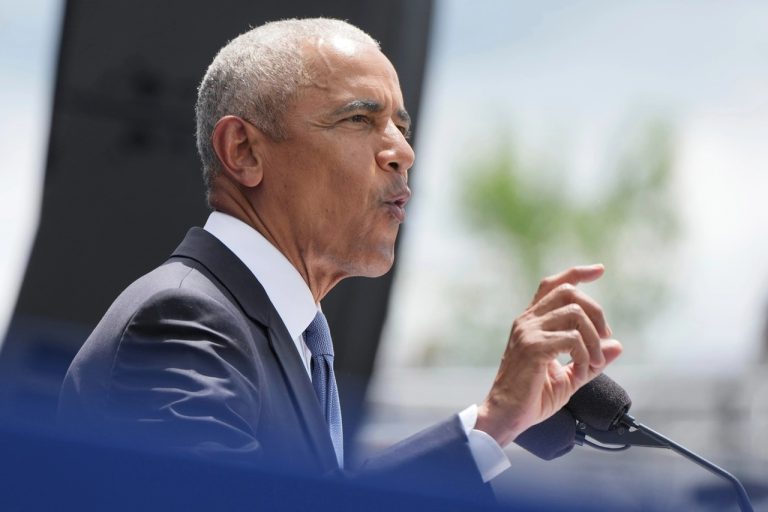
During a recent private gathering, former President Barack Obama urged fellow Democrats to prioritize aggressive oversight over advanced technology before unregulated corporate deployment triggers catastrophic social consequences. The remarks represent a stark departure from the heavily criticized regulatory restraint that characterized his own administration. Today, as competitive technological development rapidly advances, widespread anxieties concerning massive workforce disruptions force political leaders to finally reconsider entrenched policies.
Rethinking Market Dominance and Guardrails
While occupying the Oval Office, Obama enthusiastically supported Silicon Valley executives, famously presiding over federal decisions that effectively permitted massive corporate consolidation without serious antitrust interventions. However, the unprecedented speed of machine learning systems recently convinced the former president that leaving algorithmic progress solely in private hands poses severe risks. He currently advises prominent party leaders, including Hakeem Jeffries, to publicly establish strict safety frameworks. Several leading industry experts, including Elon Musk, similarly demand immediate congressional action to intentionally slow innovation until regulators fully understand the existential threats.
Economic Impacts and Automation
The potential economic fallout dominates the emerging policy discussions, especially regarding the stability of the modern social safety net. Rapid automation directly threatens millions of domestic workers who lack the necessary resources to easily transition toward new industries. If citizens suddenly lose stable employment, the federal government must dramatically expand financial support systems. According to recent demographic surveys, a significant portion of the electorate actively fears upcoming workplace disruptions, increasing the political pressure on candidates running in impending elections.
The Evolving Partisan Divide
Despite mounting public apprehension, prominent political factions hold sharply conflicting views regarding how the government should actually respond. Progressive lawmakers actively propose permanent bans on artificial superintelligence models, demanding strict consumer protections before new products reach the open market. Conversely, Donald Trump routinely dismisses domestic safety concerns entirely, framing the technological race exclusively around ensuring American geopolitical dominance over Chinese competitors. Conservative congressional leaders similarly insist that corporate developers, rather than federal agencies, must shoulder the primary responsibility for ensuring product safety.
As the next major voting cycle approaches, resolving these contrasting visions remains exceptionally difficult for both dominant political parties. Federal legislation consistently stalls due to fierce disagreements over whether local jurisdictions can legally enforce their own independent liability standards. Unless political leaders forge a unified consensus, vital economic structures will face the most transformative technological shift of the century completely unprotected.
Original analysis inspired by Adam Wren from POLITICO. Additional research and verification conducted through multiple sources.


