
Do Tech Billionaires Want the World to Burn? | The Interview
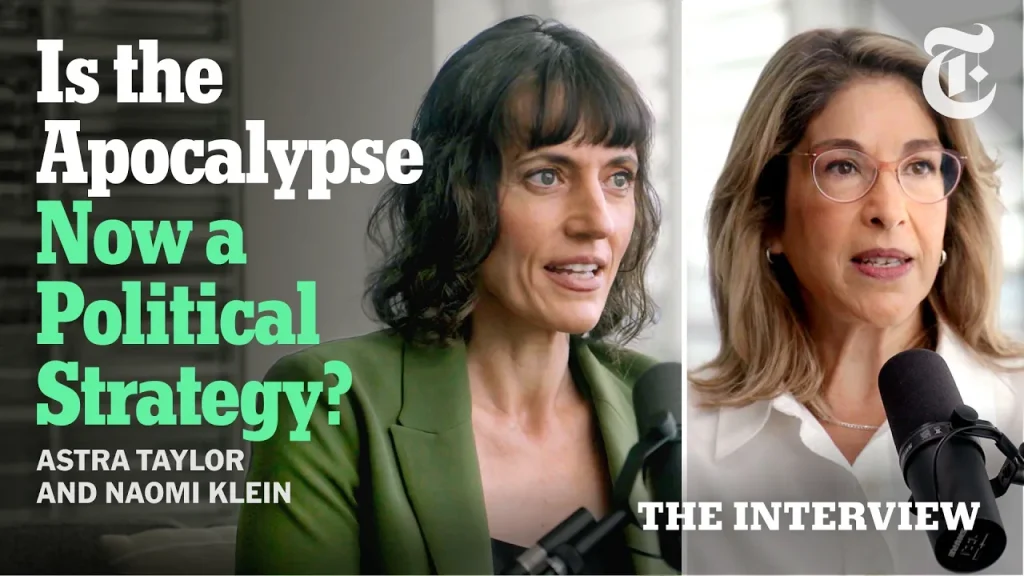
In a new book, “End Times Fascism and the Fight for the Living World,” the influential leftist thinkers Naomi Klein and Astra Taylor argue that a powerful coalition of religious fundamentalists, ethnonationalists and tech oligarchs (Elon Musk chief among them) is actively — and successfully — hastening the destruction of the world as we know it. Why? Because they believe that they’re primed to thrive on the other side of catastrophe, everyone else be damned. This is a sobering, scary vision of contemporary political battles. But as the still hopeful Klein and Taylor explain, they wrote their book because they believe the conclusion is far from foregone.
Why Tech Billionaires Risk Artificial Intelligence Apocalypse

Prominent tech investors are embracing a techno-optimist ethos that frames rapid AI advancement as a vital civilizational goal. By dismissing safety regulations and environmental concerns as stagnation, Silicon Valley prioritizes unchecked technological expansion over internal alarms about catastrophic systemic risks and society-wide disruptions.
Why Obama Wants Democrats to Rethink Artificial Intelligence Policy
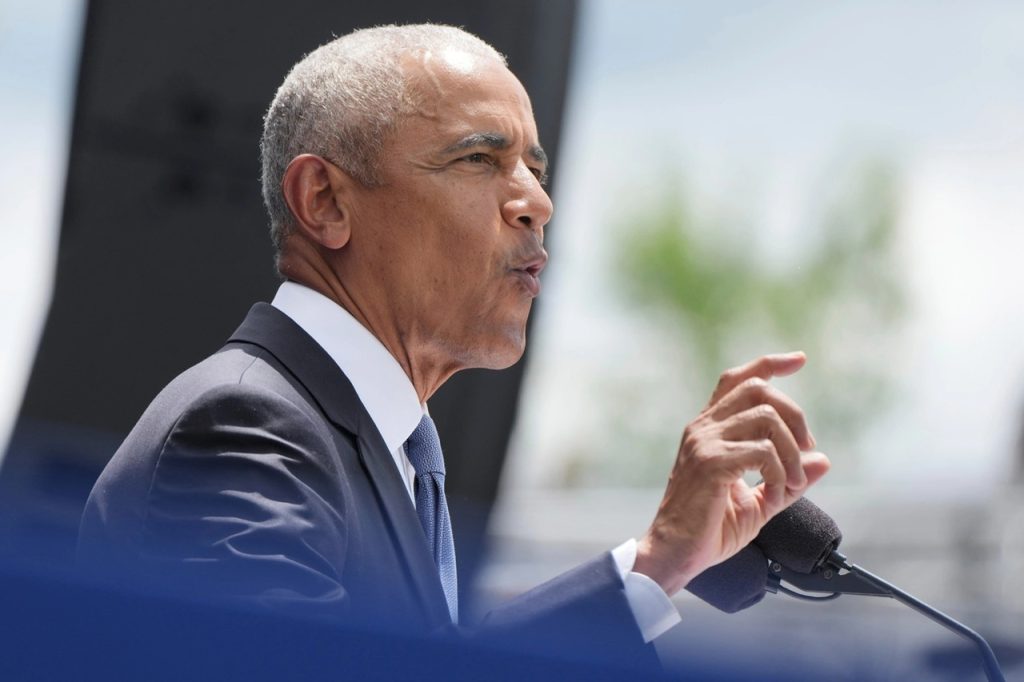
Moving away from his administration’s past tech restraint, Barack Obama is advising Democratic leaders to prioritize immediate AI regulation. Facing widespread public fear over job automation and corporate concentration, the party is weighing strict safety frameworks against conservative demands to prioritize global technological dominance.
Why India and China Are Cautiously Resuming Diplomatic Dialogue
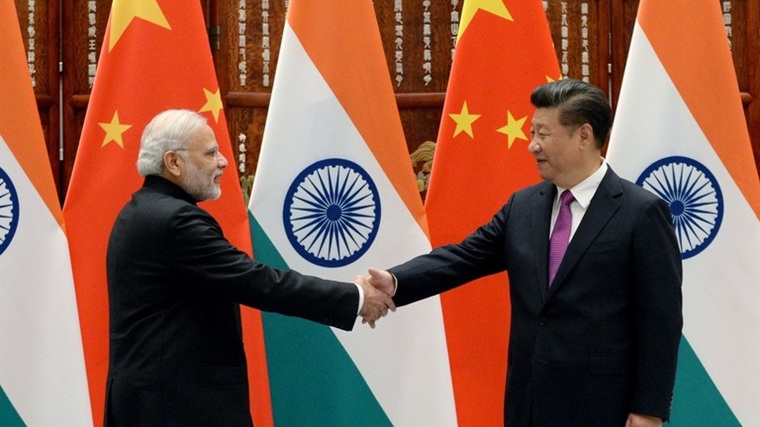
Driven by mutual economic realities and changing global dynamics, India and China are gradually stabilizing their bilateral relationship. Through strategic border negotiations, the resumption of direct flights, and shared energy interests, both nations are prioritizing practical regional stability and internal growth over perpetual frontier conflict.
Why Focusing Solely on Netanyahu Fails Gaza
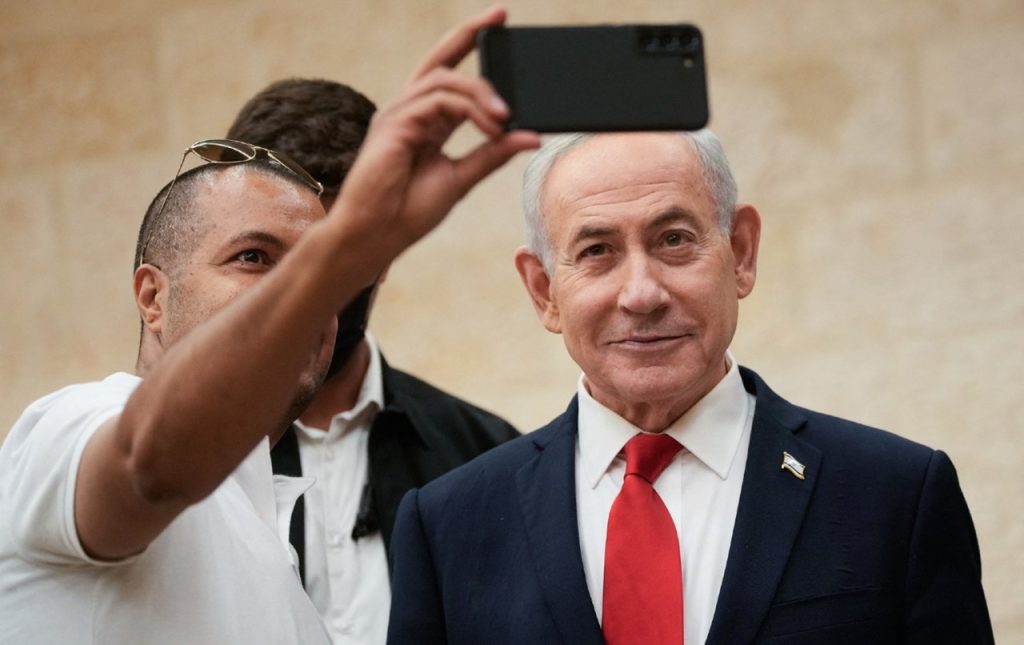
Framing the Gaza crisis as the isolated failure of a single politician masks the systemic machinery driving the occupation. While scapegoating one leader allows foreign allies to easily pivot, true accountability requires dismantling the broader political and military structures that drive ongoing humanitarian catastrophes.
How Washington’s Strategy Unintentionally Inflamed the Middle East
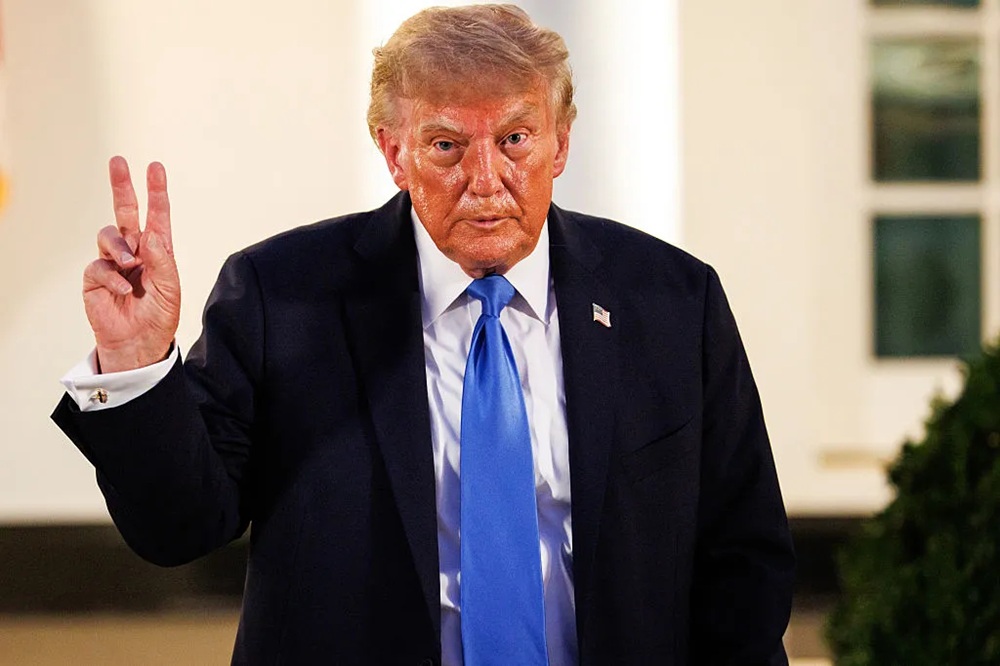
An unintended escalation of Washington’s pressure strategy has expanded conflict across critical Middle Eastern trade routes. From Ansarallah forces seizing vital Yemeni port infrastructure to direct naval exchanges and accelerated reinforcement work at Iran’s Pickaxe Mountain nuclear site, aggressive risk-taking now threatens regional power dynamics and energy security.
How Ansarallah Victories Reshape Middle Eastern Security Dynamics
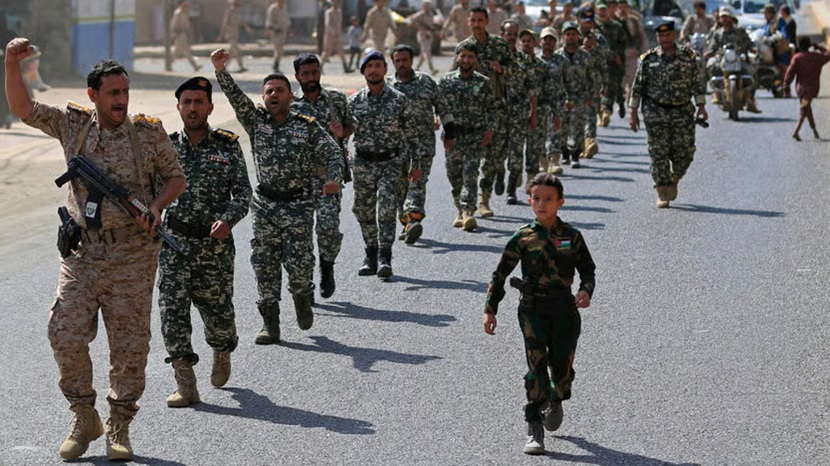
Ansarallah forces have dramatically altered Middle Eastern security dynamics by seizing the strategic port city of Mokha and Perim Island, securing physical leverage over the Bab el-Mandeb strait. As regional coalitions fracture and foreign allies hesitate to intervene directly, this shift threatens global energy trade and exposes major vulnerabilities in regional defense strategies.
Donald Trump Dominates Republican Strategy Before Midterms
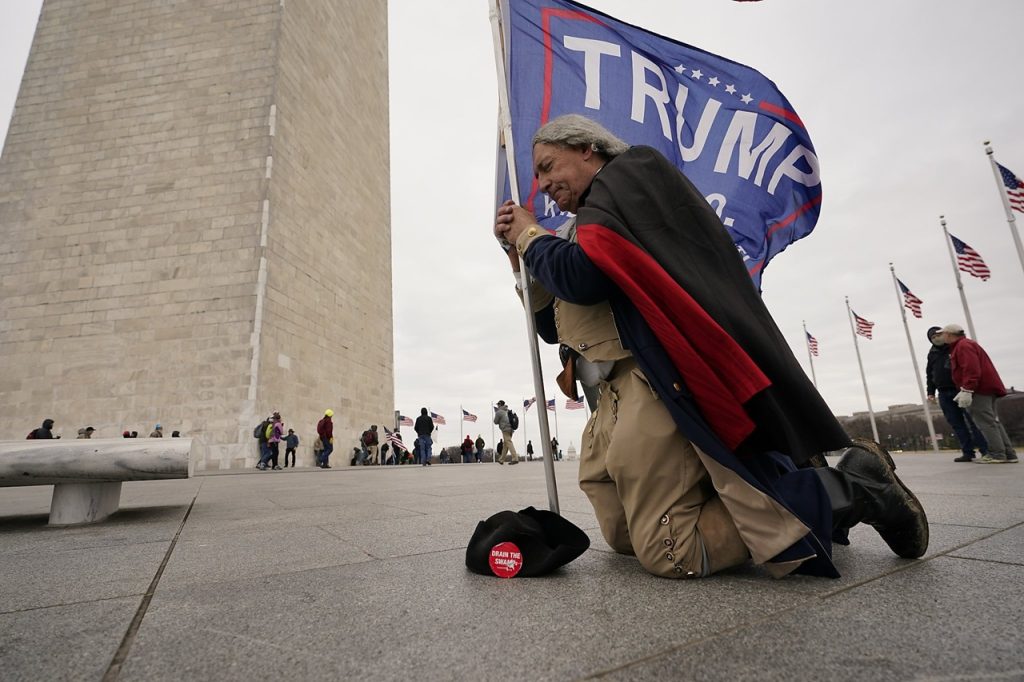
As the midterms approach, Republicans are doubling down on Donald Trump, transforming their campaign strategy into a single-leader movement. While prioritizing absolute loyalty aims to energize core supporters, relying on a polarizing figure amidst low approval metrics risks alienating crucial moderate voters and independents.