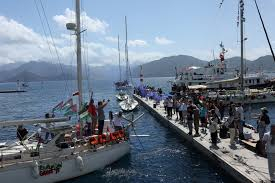
Hundreds of activists returned to Istanbul this week after Israeli forces seized their vessels and held them for days. Many arrived with gunshot wounds or severe bruises that required immediate hospital care. The episode captures the human cost of a growing clash between determined civilian missions and strict enforcement of restrictions that have shaped life in Gaza for years.
The latest phase of the Global Sumud Flotilla drew people from nearly 40 countries who sailed with medical supplies and basic necessities. Organizers framed the voyage as a practical answer to urgent needs on the ground, especially after repeated appeals from Palestinians trapped by the barriers. Earlier attempts in April and mid-May met the same fate, with Israeli units boarding ships well beyond coastal waters and taking hundreds into custody.
Questions of Maritime Law
International legal standards generally prohibit military operations against unarmed civilian ships in international waters. Past inquiries into similar episodes concluded that excessive force violated both maritime conventions and human rights protections. Turkish authorities collected medical records, witness statements, and video evidence for submission to bodies like the International Court of Justice, adding to existing cases that examine conduct in the territory.
Humanitarian conditions inside Gaza remain dire despite any pauses in major combat. Local health authorities and UN monitors report tens of thousands killed since late 2023, the overwhelming majority women and children. The territory’s health system lies in ruins, water and power infrastructure barely function, and basic goods stay tightly controlled, leaving 2.4 million people in persistent hardship.
United Nations experts have repeatedly stated that delivering aid by sea should not be treated as a criminal act. They urge safe passage for such civilian efforts when official channels cannot meet the scale of need. The flotilla’s medical teams and supply ships were designed precisely to address gaps that conventional assistance has failed to close.
Rising Diplomatic Pressure
Several European governments, including Spain, France, Italy, the Netherlands, Belgium, and Canada, summoned Israeli diplomats to lodge formal protests. Footage released by an Israeli minister showing confrontations with restrained detainees drew additional criticism from human rights groups and even some of Israel’s traditional partners. Turkish officials described the participants as acting on behalf of basic human dignity, reflecting Ankara’s strong diplomatic line.
Each new interception seems to widen the circle of support rather than discourage it. What began as smaller aid voyages has grown into a broad transnational network stretching across continents. The persistence of these missions, despite clear risks, signals how the Palestinian situation has become a focal point for global civil society action that extends far beyond the immediate region.
These high-seas encounters expose a core tension in today’s conflicts: how states weigh security priorities against the obligation to allow life-saving assistance. As documentation builds for potential war crimes inquiries and public attention grows, the Sumud campaign could shape future naval decisions and reinforce calls for accountability under international rules. Whether courts, sustained diplomacy, or continued popular pressure ultimately shifts policy, the events suggest that isolating Gaza has become harder to sustain without broader consequences.
Original analysis inspired by Esra Karatas Alpay from Anadolu Agency. Additional research and verification conducted through multiple sources.