
US-Iran Talks Are Failing And Both Sides Know It
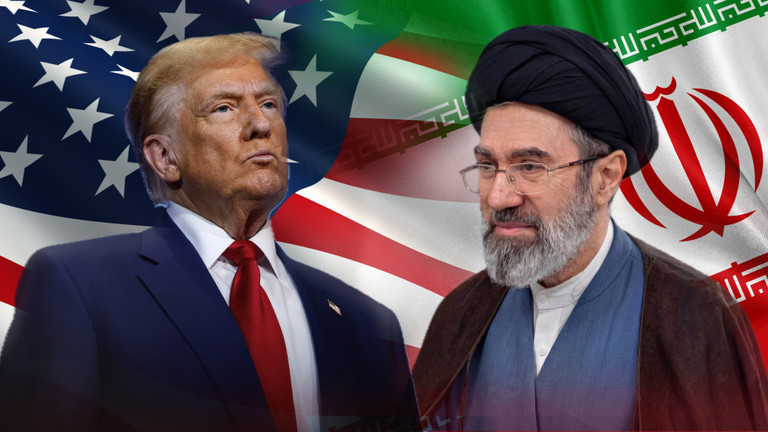
This analysis examines the current collapse of US-Iran diplomatic efforts following the February 2026 outbreak of hostilities. By exploring the non-negotiable demands presented by Washington and Tehran’s defiant response, the article highlights the strategic impasse currently defining the conflict, including the continued blockade of the Strait of Hormuz and the precarious nature of the shaky, ongoing ceasefire.
Updating a Climate Scenario Doesn’t Mean the Crisis Is Over

This analysis clarifies the recent retirement of the RCP8.5 climate scenario, correcting the misleading narrative that scientific updates signal an end to the climate crisis. By examining new CMIP7 data, the article demonstrates that while policy successes have moved us away from worst-case emissions pathways, the world still faces significant warming and irreversible environmental tipping points, underscoring the urgent need for continued climate action.
Sumud Flotilla Tests Limits of Gaza Blockade

This report examines the escalating confrontation between civilian aid missions and the Gaza blockade, highlighted by the recent interception of the Global Sumud Flotilla. By analyzing the intersection of maritime law, humanitarian necessity, and international diplomatic response, the article explores how these high-seas encounters are reshaping global discourse on accountability and the ethics of enforcing territorial restrictions amidst a deepening humanitarian crisis.
Is Cuba the Next Venezuela? Washington’s Escalation Playbook
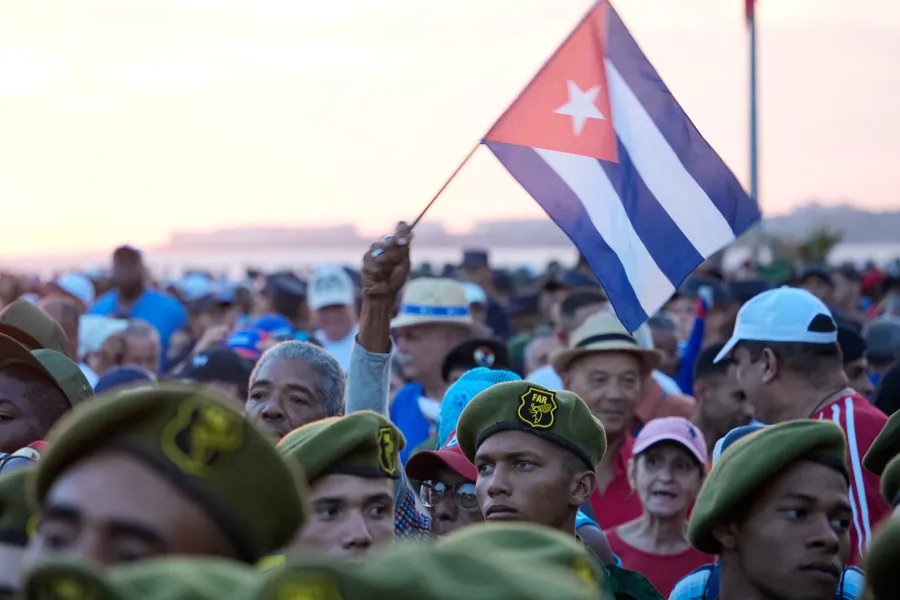
This analysis examines the escalating U.S. pressure campaign against Cuba, characterized by intelligence leaks, criminal indictments, and economic blockades. By comparing these developments to the strategic framework used against Venezuela, the article explores how Washington is methodically constructing a legal and political pretext to justify potential future military intervention.
Horn of Africa Edges Toward Regional War

This analysis examines the converging crises in the Horn of Africa, where overlapping internal conflicts in Sudan and Ethiopia are fueling a cycle of regional instability. We evaluate how shifting alliances, ethnic ties, and cross-border proxy support create a volatile environment. The article addresses the limitations of current diplomatic channels and the urgent necessity for international mediation to prevent a broader regional catastrophe.
China’s Governance Model: Discipline Meets Long-Term Vision
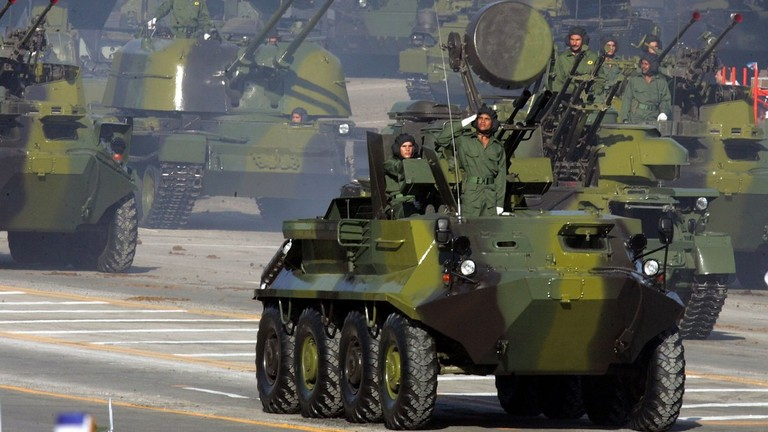
This analysis explores the core tenets of China’s governance framework, examining how the synergy between disciplined institutional oversight and long-range strategic planning drives the nation’s development trajectory. We discuss the role of anti-corruption campaigns in maintaining state integrity, the adaptability of the economic model, and the underlying civilization-state logic that prioritizes collective national outcomes over short-term political cycles.
Everything, Everywhere, All at Once: The Future of U.S. Strategy

America’s global role is more contested and uncertain than at any time since World War II, and the time is ripe for a fundamental reevaluation of the nation’s strategy. To meet this moment, the Council on Foreign Relations is launching the Future of American Strategy Initiative, a multiyear effort that aims to answer one defining question: Where does America go from here?