The United Arab Emirates caught the region by surprise in late April when it declared it would withdraw from OPEC and its extended alliance, with the move taking effect on May 1. Officials pointed to technical considerations around output capacity and a desire to align policy with the country’s shifting energy mix. Yet the announcement landed squarely in the middle of a fierce regional conflict, as Iranian strikes disrupted shipping, hammered energy facilities, and exposed how each Gulf state calculates its risks differently. What began as an energy policy adjustment now reads as a stark admission that collective frameworks no longer meet Abu Dhabi’s needs.
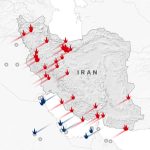
The Iranian campaign has punished the six GCC members unevenly. Emirati territory absorbed some of the heaviest missile and drone barrages, prompting Abu Dhabi to lean harder on its Fujairah export terminal outside the Strait of Hormuz. Qatar suffered direct hits on its Ras Laffan LNG complex, with repair costs estimated in the billions and exports halted under force majeure declarations. Kuwait recorded zero oil shipments in one of the worst months in recent memory. Saudi Arabia redirected flows toward Red Sea ports, preserving some continuity, while Oman experienced far less pressure thanks to its geographic position. These contrasting realities have produced equally distinct diplomatic and economic postures among neighbors who once aspired to speak with one voice.
The Eroding Foundation of GCC Unity
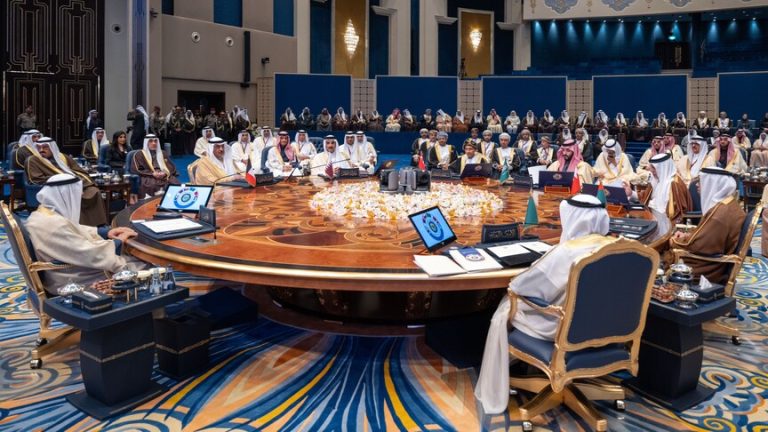
Such divergence did not emerge overnight. The GCC formed in 1981 precisely to counter threats from revolutionary Iran during the Iran-Iraq war. Its founders envisioned coordinated defense, economic integration, and shared diplomatic weight. Over more than four decades, however, the organization has repeatedly stumbled when confronting major crises.
Previous rifts, including the 2017-2021 blockade of Qatar, already revealed how national priorities and leadership styles can override institutional solidarity. The current conflict has simply accelerated those trends. No joint military operations have materialized. Public statements from member capitals have sometimes clashed. Economic responses remained fragmented, leaving each state to protect its own infrastructure and revenue streams.
Strategic Divergence in Abu Dhabi
For the UAE, frustration with OPEC’s had built for years. Its spare capacity had grown well beyond the quotas it was expected to observe, and the organization’s Saudi-led consensus often seemed to favor Riyadh’s broader agenda. The war added fresh urgency. With Hormuz under threat, maximizing independent export routes became a national security issue as much as a commercial one.
At the same time, Abu Dhabi has invested heavily in ties with Washington and moved closer to Israel, including defensive cooperation that has drawn Iranian ire. This preference for over multilateral constraints reflects a broader strategic bet: that in an era of great-power competition and uncertain oil demand, nimble national decisions may deliver better outcomes than slow-moving consensus.
A Fragmented Regional Landscape
Saudi Arabia, by contrast, has balanced its traditional leadership role in OPEC with a more measured approach toward Iran, at times keeping diplomatic channels open while still viewing Tehran as a long-term rival. Other members—Qatar, Kuwait, Bahrain, and Oman—have hedged according to their own vulnerabilities, from heavy reliance on the contested strait to political relationships that discourage outright confrontation.
The result is a Gulf that looks less like a cohesive bloc and more like six capitals pursuing parallel survival strategies. Analysts note this fragmentation echoes longstanding structural weaknesses in GCC integration, where sovereignty concerns consistently trump deeper pooling of decision-making.
Exploiting the Cooperation Gap
A divided Gulf carries clear winners. Iran has long mastered the art of exploiting differences between its neighbors, applying pressure selectively while avoiding unified pushback. External players gain as well. The United States, China, Russia, and Israel can each cultivate individual relationships rather than negotiate with a unified partner.
Even as global attention remains fixed on the immediate fighting, longer-term questions loom about energy security, trade routes, and the shape of any postwar settlement. Some voices suggest closer coordination with partners outside the region, including the European Union, could help fill the cooperation gap that the GCC has left open.
The Future of Gulf Coordination
The coming months will test whether these fractures harden into permanent realignments or whether the shared shock of the current crisis eventually pushes the Gulf states toward more pragmatic forms of coordination. History since 1981 suggests unity remains elusive when threats intensify and interests diverge.
Yet the stakes have rarely been higher. In a future regional order still taking shape, those who cannot align their policies may discover their collective influence has already slipped away. The UAE’s move may represent one state’s verdict on outdated arrangements, but its deeper meaning concerns whether the GCC can evolve beyond six separate voices into anything resembling a common front.
Original analysis inspired by from . Additional research and verification conducted through multiple sources.