
Why Washington Misplaces Central Asia
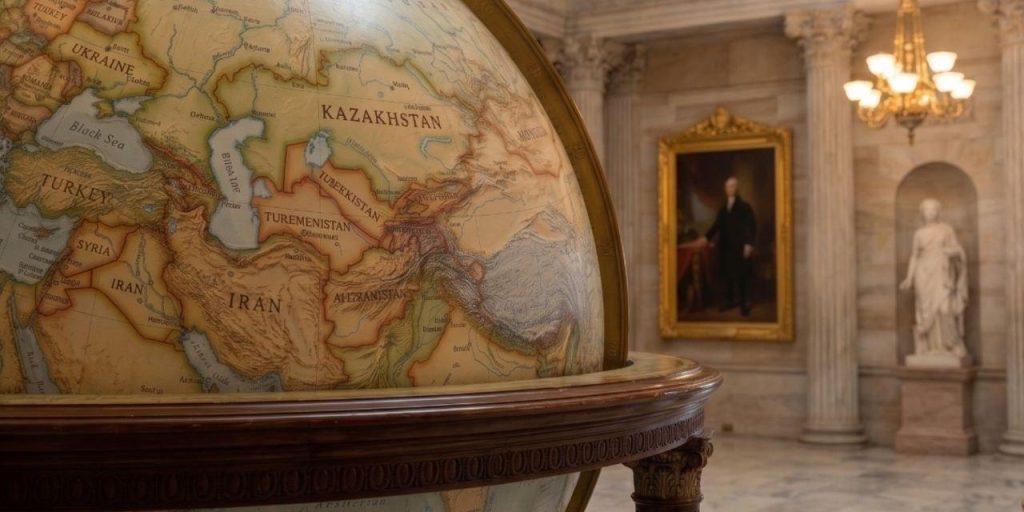
The United States risks losing strategic ground in Central Asia due to institutional fragmentation and inconsistent regional categorization. While Washington’s engagement remains episodic, China has methodically secured vital energy pipelines and overland trade corridors, insulating its economy from maritime disruptions and deepening its long-term influence across the Eurasian heartland.
UAE OPEC Exit Signals GCC Fragmentation
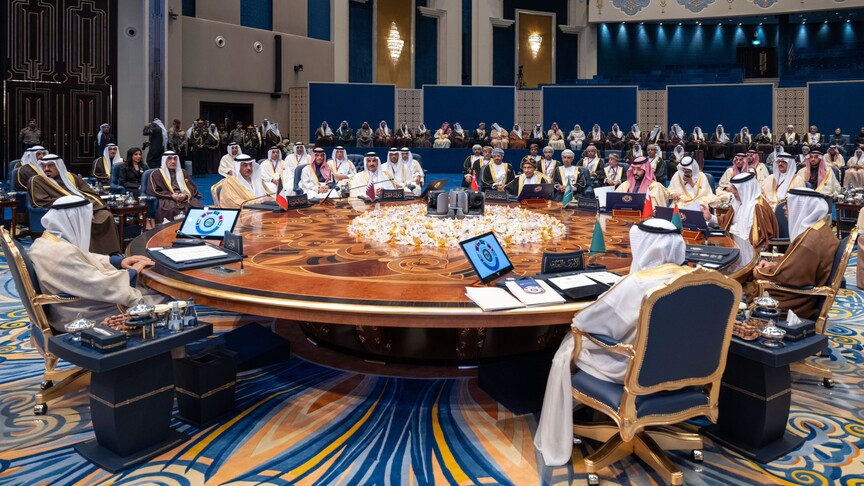
The UAE’s withdrawal from OPEC highlights a deepening fragmentation within the GCC. As Iranian strikes expose varying regional vulnerabilities, Abu Dhabi is prioritizing national autonomy and independent export routes over collective frameworks. This strategic shift suggests that traditional Gulf alliances are struggling to meet the demands of a volatile security landscape.
Sunni Quartet Builds Security Ties in Middle East
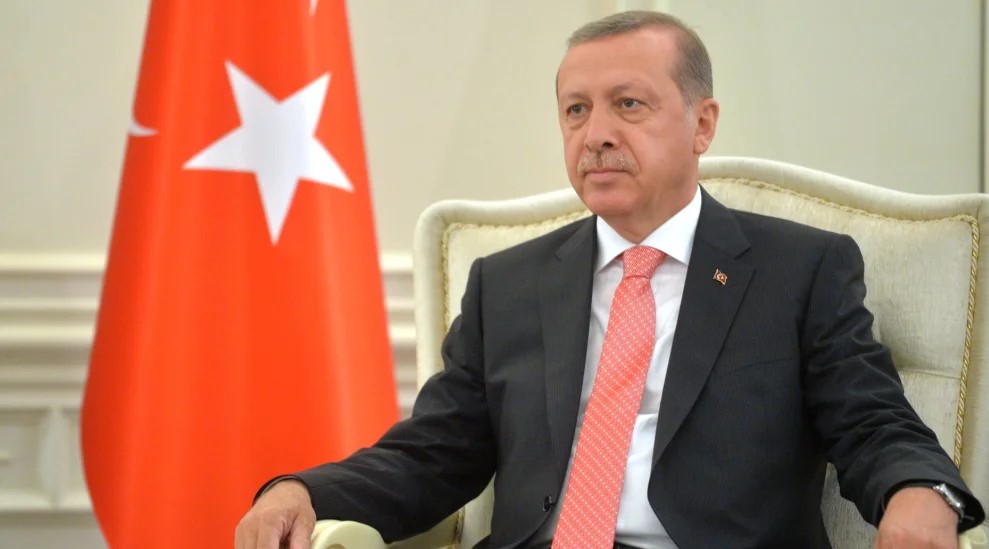
Driven by doubts over Western security guarantees and the fallout from the U.S.-Iran war, a new strategic alignment is taking shape between Turkey, Egypt, Saudi Arabia, and Pakistan. This “Sunni-Muslim accord” combines a population of 500 million with significant military industrial potential, aiming to establish a localized security platform that reduces dependence on outside powers and provides a “nuclear umbrella” via Pakistan’s deterrent capabilities.
Strikes on Iran Expose Cracks in NPT Framework
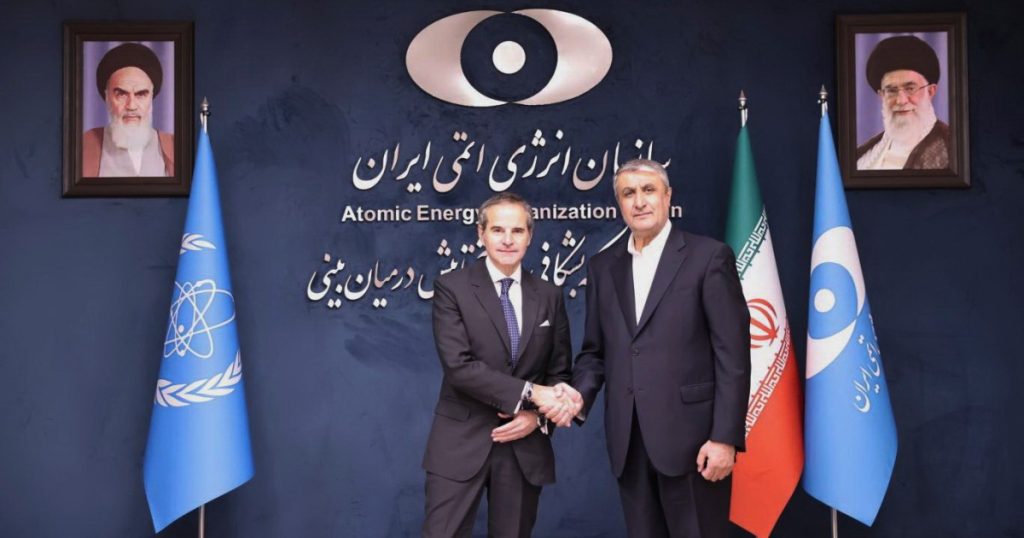
The 2026 NPT Review Conference has become a battlefield over the legitimacy of military strikes on overseen nuclear facilities. With Iran highlighting the failure of Article IV protections and the lack of negative security assurances, delegates warn that the non-proliferation regime faces a credibility crisis that could lead to irreversible withdrawals if foundational compromises aren’t restored.
Oil Inventories Near Critical June Threshold
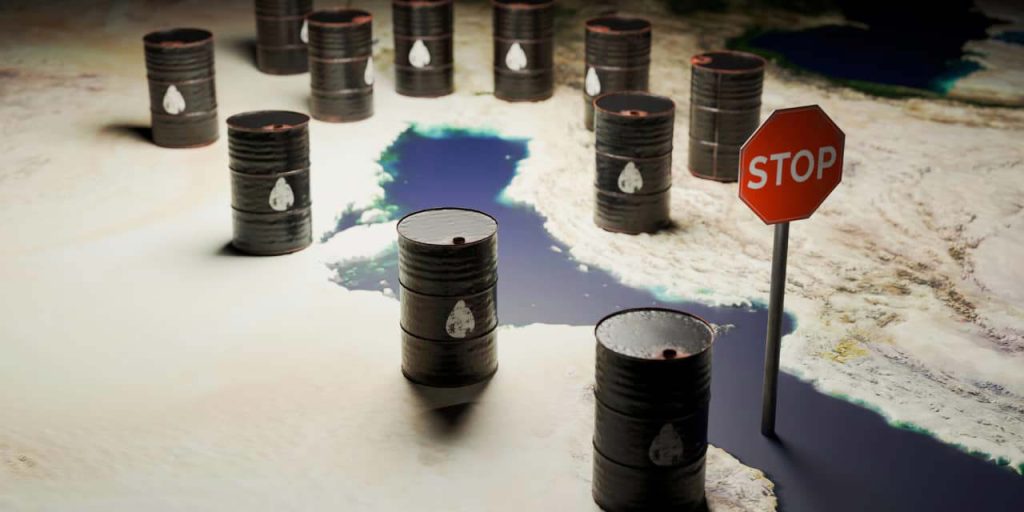
The world faces an unprecedented energy crisis as usable oil inventories plummet toward an eight-year low. With 14 million barrels of Middle East production offline, massive supply draws are forcing factory shutdowns and fuel rationing across Asia, testing global economic resilience and pushing Brent crude toward a dangerous June breaking point.
Iran’s Hormuz Leverage Erodes US Gulf Influence
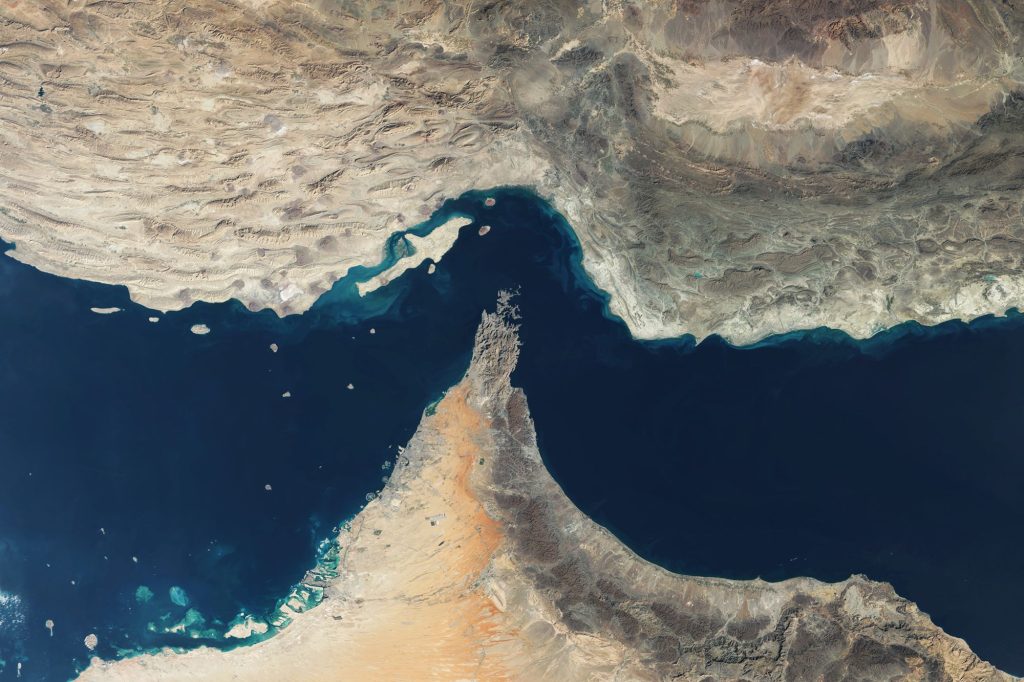
Tehran has transformed the Strait of Hormuz into its most potent bargaining chip, leveraging control over 20% of global oil to demand a new regional order. As Supreme Leader Mojtaba Khamenei rejects outside influence, the shift is fracturing traditional Gulf alliances and forcing major powers to recalibrate their energy security strategies.
Closing America’s Gray Zone Confidence Gap
Strategic competition today is defined by influence operations and narrative battles, yet American decision-making remains plagued by institutional overconfidence. Lessons from Afghanistan highlight a failure to track analytical accuracy, suggesting that the U.S. must invest in “decision infrastructure” and forecasting systems to turn intelligence into a durable advantage.