Tag: Gulf Cooperation Council

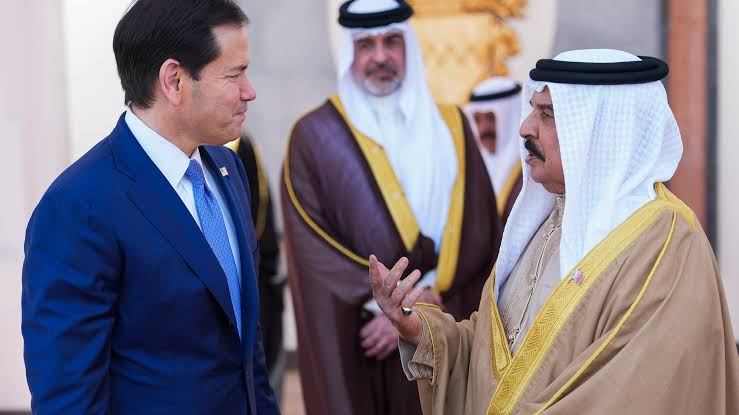
A diplomatic meeting between an Iranian official and an Omani leader in a grand palace room.

Why Lasting Iran Deal Needs Arab Inclusion

While international mediators have secured a fragile truce between the U.S. and Iran, long-term peace hinges on the formal inclusion of Arab Gulf states. Given their firsthand exposure to regional threats and successful history of mediation, these nations are essential for crafting a multilateral framework that addresses ballistic missiles and maritime security.

Read More »
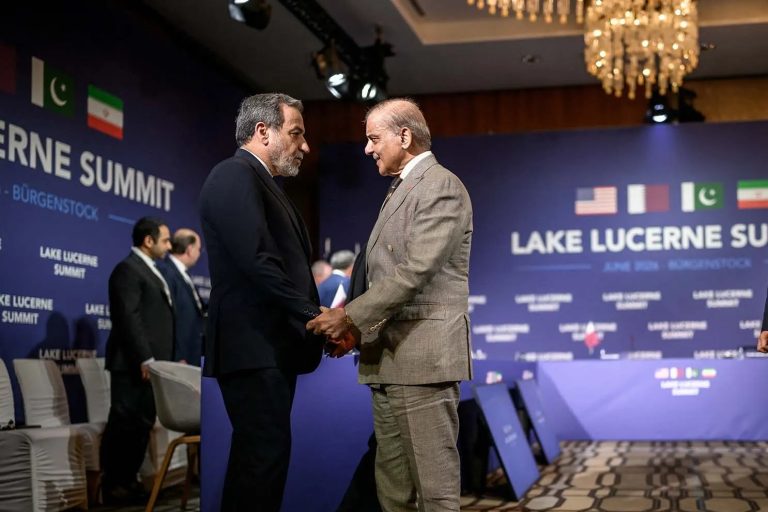
JD Vance shaking hands with Shehbaz Sharif during an official diplomatic meeting.

The STEP Quartet: How Four Muslim Nations Are Reshaping the Middle East

The emergence of the STEP quartet—Saudi Arabia, Turkey, Egypt, and Pakistan—marks a historic shift in Middle Eastern diplomacy. By brokering the Islamabad ceasefire, these four nations have positioned themselves as the primary mediators between Washington and Tehran, signaling a new regional order focused on strategic autonomy and collective security.

Read More »
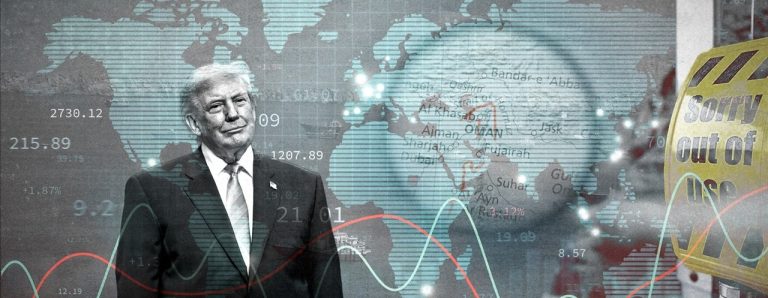
A geographical map of the Persian Gulf and Strait of Hormuz overlaid with a cargo ship.

The Ceasefire Is Signed, the Economic War Has Just Begun

The 2026 Iran War has triggered the largest energy supply disruption in history, dwarfing the shocks of 1973 and 1979. While the kinetic exchange has paused, the Strait of Hormuz remains commercially unusable due to a “Tehran Toll” system and a collapse in maritime insurance. With damage to Qatar’s LNG facilities projected to take years to repair, the global economy faces a structural “war premium” that threatens to push major economies into recession and force central banks to keep interest rates elevated through 2026.

Read More »
A conceptual image showing the USA and Iran flags separated by a deep, fiery crack in a stone surface.

Gulf States Face a Strategic Reckoning After Iran War

One month into the war, the Gulf Cooperation Council (GCC) states are navigating what has been described as a “Zeitenwende moment”—a systemic shift that is dismantling the decades-old security and economic models of the region. As of April 1, 2026, the conflict has evolved from a targeted strike into a regional emergency that has exposed the fragility of the Gulf’s “oases of stability” narrative.

Read More »
A nighttime view of a city skyline with a large, dark plume of smoke and fire rising from the center. The city lights are visible across the horizon under a dark sky.

When the Strait Closes: Food, Water, and the Hidden Cost of War

The closure of the Strait of Hormuz has triggered a global crisis extending beyond oil, paralyzing a third of the world’s fertilizer trade and threatening desalination plants critical for drinking water. This disruption risks long-term food inflation, compromised harvests, and severe economic strain on millions far from the conflict.

Read More »

Iran’s Attack on Qatar’s Gas Fields Shatters Gulf Neutrality

Iran’s strike on Ras Laffan shattered Gulf neutrality. By targeting Qatar’s LNG lifeline, Tehran turned a mediator into an adversary. This “miscalculation” is welding the GCC to Washington’s military campaign. As neutrality shrinks, the Gulf’s focus has shifted from ending the war to ensuring Iran is permanently defanged.

Read More »