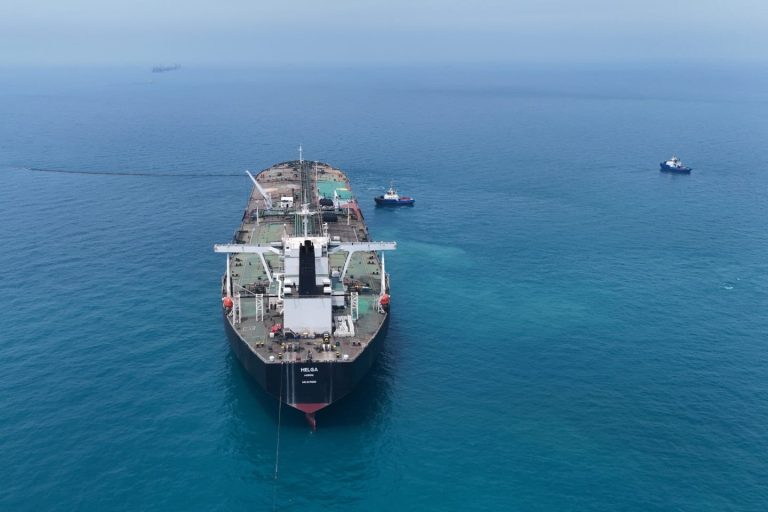
The closure of the Strait of Hormuz has triggered the largest energy supply disruption in history, sending oil and LNG prices sharply higher and forcing governments into emergency mode. Many countries turned quickly to rationing, shortened work hours, and conservation campaigns, with Southeast Asian nations among the hardest hit. These steps have provided some relief, yet they reveal how fragile global systems remain when a single chokepoint falls silent.
Nations have also drawn heavily on emergency stockpiles. The International Energy Agency coordinated a record release of 400 million barrels, the largest such operation it has ever managed. While this move helped prevent immediate economic collapse, reserves cannot last indefinitely as upward price pressure continues. The episode echoes earlier shocks but stands out for its speed and scale.
Past crises demonstrate that technological leaps eventually deliver more durable answers than emergency tactics. Nuclear expansion after the 1970s oil shocks reduced petroleum use for electricity in several major economies. Later improvements in extraction techniques helped cushion Europe during the 2022 disruptions and insulated the United States from today’s shortfall. Such advances rarely appear overnight. They rest on years of patient public research, private commercialization, and policies that reward deployment at scale.
A new Council on Foreign Relations tool now measures exactly how well countries are preparing for these long-term solutions. The Global Energy Innovation Index tracks public research budgets, patent output, corporate activity, and regulatory support across dozens of nations. Its latest findings arrive at a critical moment, offering a clear-eyed assessment of who is positioned to deliver the next generation of energy technologies.
European Leadership and Uneven Global Effort
Nordic countries dominate the upper ranks, with Sweden setting the pace through consistent investment and effective collaboration between government, universities, and industry. Several other European states follow closely, while Canada stands as the sole non-European member of the top tier. These leaders have built frameworks that translate research into real-world deployment across renewables, efficiency, and grid modernization.
China presents a more complex picture. Though its per-capita rankings sit lower, the sheer volume of its activity matters enormously on a global scale. Chinese factories currently supply most of the world’s affordable solar panels, batteries, and electric vehicles—technologies that are already softening the impact of today’s price spikes. This manufacturing dominance gives importers practical tools even as debates continue over supply chain concentration.
The United States, long proud of its innovation heritage, now ranks around thirteenth. Recent trends show relative decline in several key indicators, raising questions about whether current policies match the ambition of past decades. Reversing this slide would require renewed focus on research, development, demonstration, and the market frameworks that allow breakthroughs to compete.
Future Trajectories and Emerging Tech
Broader signals in the index give further cause for concern. Growth in energy derived from clean sources has slowed markedly in recent years. Patenting activity in promising fields has leveled off or retreated in some regions. Without a change in trajectory, societies will face future shocks with fewer genuine alternatives, whether those shocks stem from geopolitical conflict or accelerating climate impacts.
Encouraging developments exist on the horizon. Systems that tap underground heat for steady, dispatchable power and store energy for weeks are moving closer to commercial use. Advances in materials science and grid management could address longstanding intermittency problems. Yet these technologies, like their predecessors, demand sustained funding and smart regulation to cross from laboratory to widespread adoption.
The current crisis, painful as it is, offers a reminder that energy security cannot rely forever on finite reserves or vulnerable shipping lanes. Countries that treat innovation as a core strategic priority will gain resilience against both sudden interruptions and the slower pressures of climate change. Those that hesitate may find themselves repeatedly choosing between higher prices and enforced austerity. The index makes plain which path different nations are currently following—and which adjustments could still alter the outcome.
Original analysis inspired by David M. Hart from Council on Foreign Relations. Additional research and verification conducted through multiple sources.