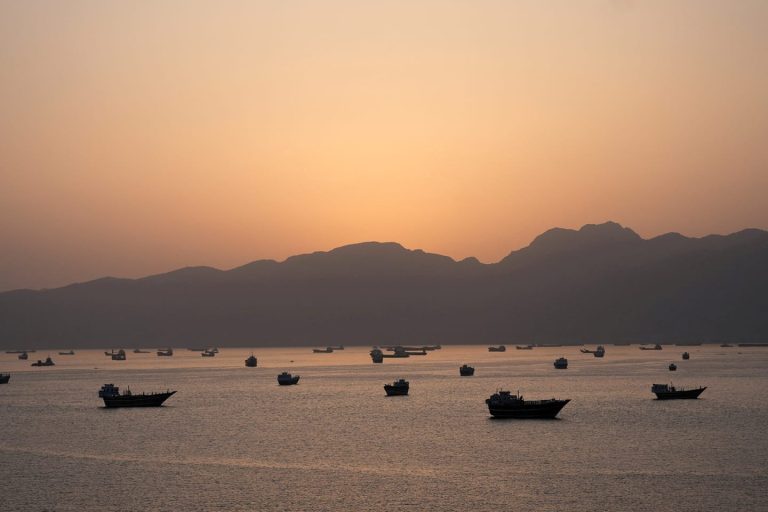
Trapped tankers and volatile energy prices have drawn fresh attention to the Strait of Hormuz as a flashpoint with global reach. President Trump’s newly announced Project Freedom aims to protect commercial shipping through American naval escorts, with destroyers entering the Persian Gulf and a handful of vessels successfully departing in recent days. Yet Iranian responses—including strikes on merchant traffic, missile and drone attacks toward the United Arab Emirates, and direct fire on U.S. warships—quickly demonstrated the operation’s hazards in tightly confined waters.
Iran has refined tactics that turn geography to its advantage. Speedboats, drones, and mines allow it to threaten vessels at relatively low cost while avoiding head-on clashes with superior naval forces. These methods echo patterns seen in past Gulf conflicts, where determined actors could harass shipping despite the presence of larger fleets. As long as Tehran can sustain such disruption, most shipping companies will hesitate to run the passage, regardless of promised protection.
Global Economic Impact
The economic fallout spreads far beyond the region. This oil chokepoint normally carries about one-fifth of global petroleum liquids consumption, with the majority heading to Asian markets. Closures have already pushed prices higher, strained supply chains, and raised costs for everything from fuel to fertilizers, hitting import-dependent economies especially hard. UN officials have warned that continued blockage risks broader damage to growth and food security worldwide.
Washington’s approach has shifted repeatedly since strikes began in late February. Initial hopes for swift regime change after Ayatollah Khamenei’s death gave way to threats against energy infrastructure, a ceasefire, and then a naval blockade imposed in mid-April. Trump has described the blockade as decisive, expecting it to exhaust Iran’s storage and force concessions on its nuclear program, missiles, and regional activities. Yet energy analysts question whether it can deliver that outcome.
Resilience and Adaptation
An energy expert at Columbia University’s Center on Global Energy Policy notes that Iran’s upstream oil infrastructure can likely weather temporary shut-ins without catastrophic long-term harm. Production could recover to roughly 70 percent of prior levels fairly soon after restrictions lift. Meanwhile, the regime has rerouted much of its trade overland or through the Caspian Sea toward neighbors including Turkey, Azerbaijan, China, and Pakistan.
Decades of experience under various forms of economic sanctions have taught Tehran how to adapt and survive, even amid rising unemployment, higher food costs, and domestic strain. Further military escalation carries clear dangers. U.S. vessels operating in these narrow waters would have limited reaction time against swarms or shore-launched systems, and renewed airstrikes could easily trigger Iranian retaliation against energy facilities across the Gulf. Such moves would deepen the very economic pain the campaign seeks to resolve, extending disruption to global markets already feeling the strain.
The Diplomatic Alternative
Tehran has signaled openness to structured talks, reportedly proposing a one-month window to restore open passage and related ceasefires in exchange for reciprocal steps, followed by negotiations on the nuclear front. While comprehensive nuclear agreements have historically taken far longer, as seen with the 2015 accord, a more limited “open for open” arrangement could quickly ease market pressures and create space for harder discussions.
After months of improvisation and unmet expectations, the most practical near-term goal is restoring the pre-conflict flow of commercial traffic. Persistent military measures have not erased Iran’s leverage in these waters. Only sustained diplomatic effort offers a realistic path out of the current deadlock before the costs mount further.