
Why Military Pressure Fails in the Strait of Hormuz

Rising tensions in the Strait of Hormuz have disrupted shipping and pushed energy prices higher worldwide. Analysts argue military pressure alone cannot remove Iran’s leverage in the narrow waterway. Restoring safe passage may depend more on diplomacy than escalation, as global markets face growing uncertainty.
Why Lebanon Needs a Marshall Plan Now
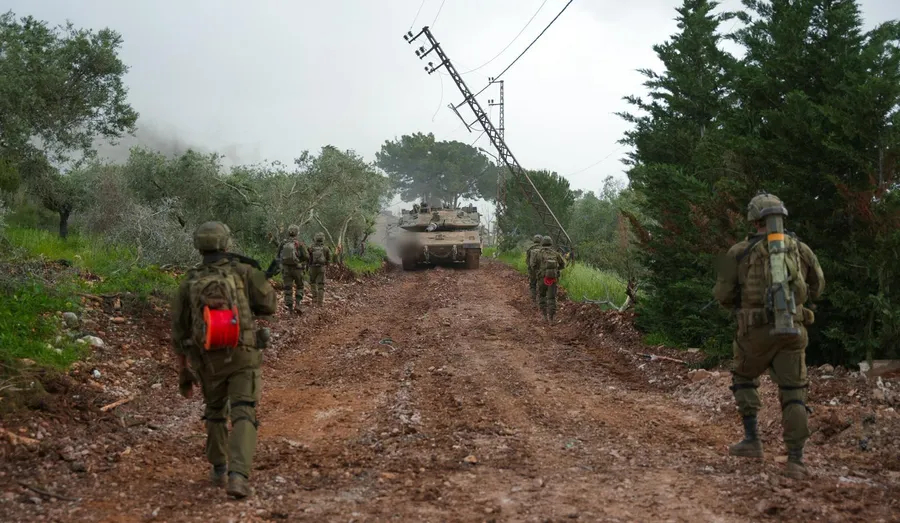
Lebanon’s latest conflict has deepened an already severe economic and political crisis. With billions needed for reconstruction, experts argue only a large-scale international recovery plan can restore stability. Strengthening state institutions, rebuilding infrastructure, and creating jobs may be the best chance for lasting peace.
UAE’s OPEC Exit Targets Iran’s War Economy
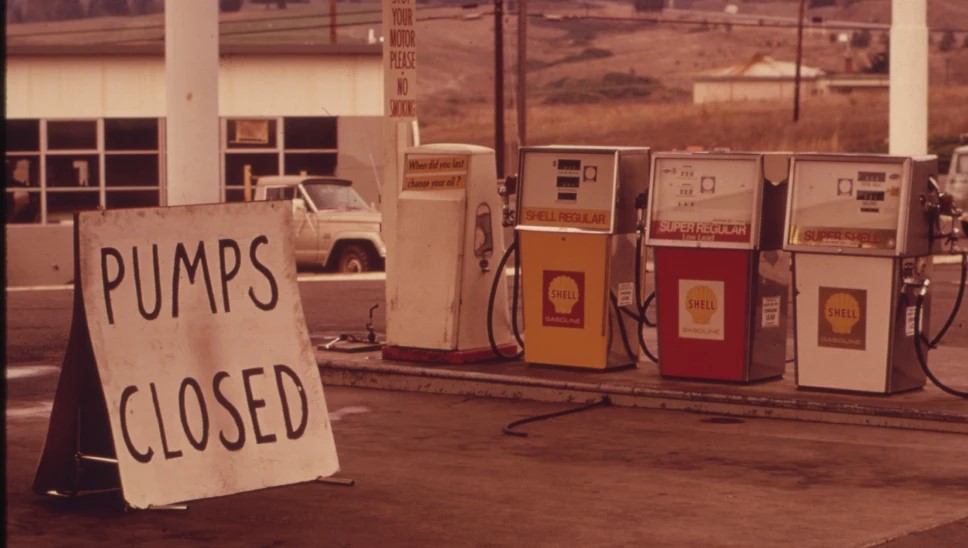
The UAE has announced its exit from OPEC effective May 1, 2026, signaling a major shift in Gulf energy politics. Abu Dhabi plans to increase oil production, aiming to weaken Iran’s revenue base during escalating regional tensions. The move could reshape OPEC dynamics and global energy markets.
Karaganov’s Nuclear Gambit: Russia’s Hawkish Voice Grows Louder
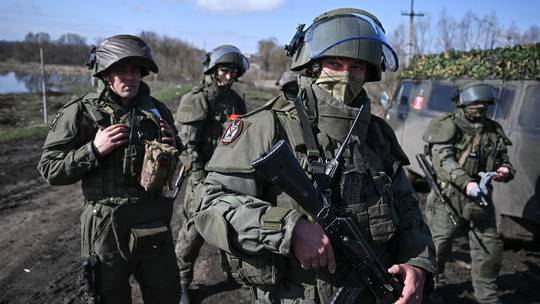
Sergey Karaganov is intensifying his call for a radical overhaul of Russia’s nuclear strategy following the expiration of the New START treaty. His May 2026 proposals advocate for offensive deterrence, resumed nuclear testing, and targeting European centers, reflecting a dangerous shift in Moscow’s rhetoric toward global escalation and strategic compellence.
Iran’s Hardliner Rift Tests US Diplomacy
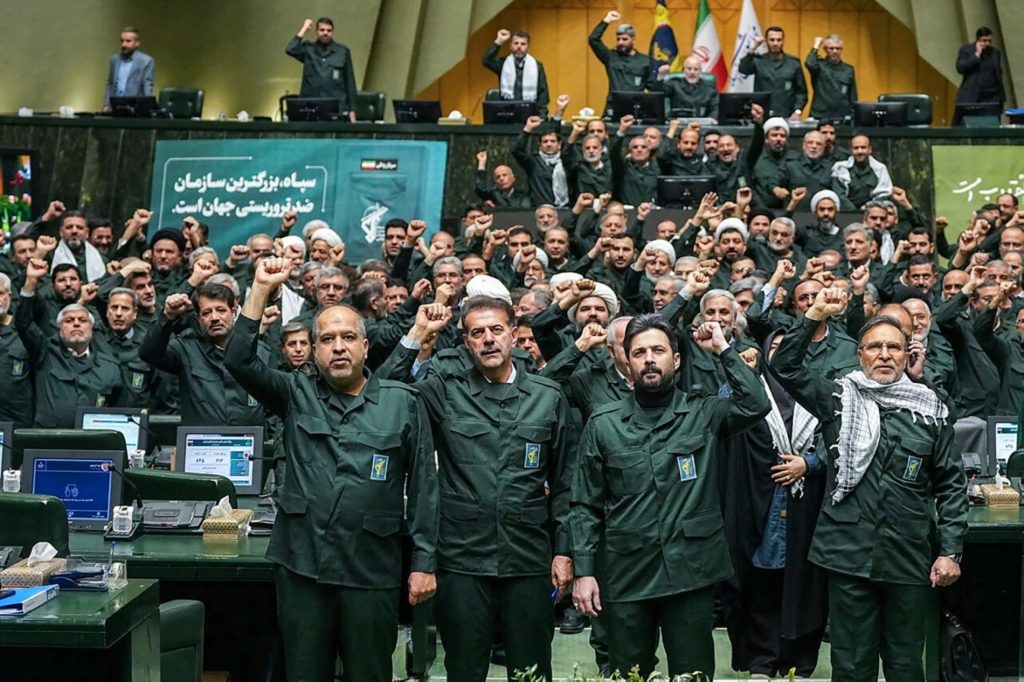
Iran’s political landscape is facing a significant test as internal friction between ultra-hardliners and pragmatists complicates indirect diplomatic efforts with the U.S. While economic pressure and new leadership push Tehran toward measured engagement, ideological spoilers remain a challenge, highlighting a calculated struggle over the regime’s survival and future stability.