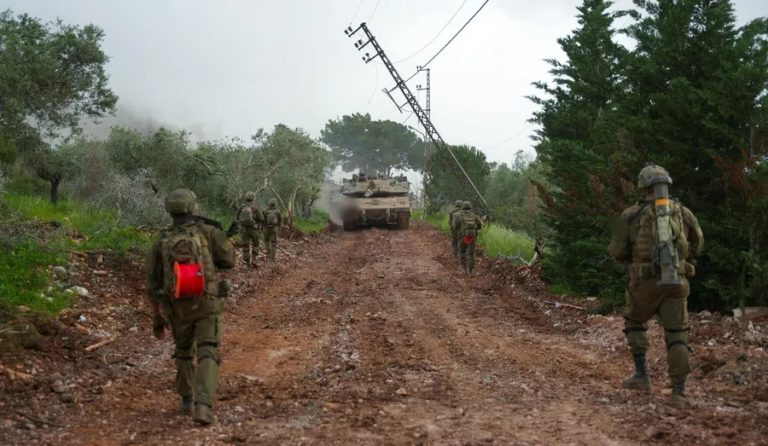
Lebanon has endured more than its share of tragedy. The recent clashes that drew in Hezbollah after the 2023 Hamas attack on Israel have left southern villages devastated and exacted a heavy human price on both sides of the border, even after a tenuous ceasefire took hold in April 2026. Israeli troops remain active in parts of the south, with casualties continuing, while reconstruction has barely started despite massive damage. This episode follows a familiar and destructive pattern stretching back decades, in which military pressure yields only temporary quiet before the next round begins.
Lebanon’s core vulnerability lies in its hollowed-out state institutions. Once a thriving commercial center, the country collapsed into civil war in the 1970s and has since invited repeated meddling by outsiders, including Syria, Iran through its local proxies, and Israeli security operations. Hezbollah’s parallel authority has thrived in this vacuum, turning parts of Lebanon into a forward base for regional rivalries. Past Israeli campaigns, from the 1982 invasion through later operations and the 2006 war, repeatedly failed to resolve these underlying weaknesses or bring lasting security to northern Israeli communities.
The Economic Toll
The latest fighting has intensified an already catastrophic economic crisis. The World Bank estimates reconstruction and recovery needs at $11 billion after damages and losses reached approximately $14 billion. Poverty rates have surged dramatically since the 2019 financial meltdown, multidimensional hardship affects the vast majority of the population, and legitimate job opportunities remain scarce. In these circumstances, armed groups can easily attract recruits by offering pay and purpose where the state cannot.
Security and economic revival must advance together. Resolution 1701, adopted by the UN Security Council in 2006, established the principle that only the Lebanese state and its armed forces should exercise authority, particularly south of the Litani River. Progress toward full implementation has been limited, but a comprehensive rebuilding program could create the incentives and capacity for the Lebanese army to gradually assert control while offering former fighters pathways into civilian life. Without such integration, ceasefires tend to erode quickly.
A Comprehensive Rebuilding Strategy
The scale required far exceeds current pledges. A World Bank emergency project of $250 million and UN appeals represent useful first steps, yet Lebanon needs a sustained, multi-year international effort on the order of the original Marshall Plan that stabilized postwar Europe. This version would blend security-sector support, infrastructure investment, banking reform, and private-sector incentives, always conditioned on measurable governance improvements.
American leadership would be indispensable, ideally coordinated with France, other NATO partners, and interested Arab states for both funding and political legitimacy. A multinational monitoring presence, fully consented by Beirut and backed by the United Nations, could safeguard reconstruction teams during the transition without repeating the tragedies of earlier foreign deployments. The aim is enhanced Lebanese sovereignty, not renewed occupation, while severing illicit external supply lines that sustain parallel armed structures.
Regional Benefits and Obstacles
The rewards would extend well beyond Lebanon’s borders. A stable, functioning state could regain its historic role as a commercial and cultural bridge, giving its young people genuine alternatives to conflict. Israel would gain the secure northern frontier that repeated military actions have never sustainably delivered. Syria could find a viable trading partner, the wider region would see a setback for proxy strategies, and the international community would reduce one persistent source of Mediterranean instability. Recent diplomatic momentum, including engagement from the current U.S. administration, makes this moment particularly opportune.
Challenges are real. Entrenched interests, corruption risks, and local suspicions of outside involvement could derail progress, as experience in the region has repeatedly shown. Yet the alternative—continued half-measures and recurring flare-ups—guarantees only more suffering and wasted resources. A bold, integrated rebuilding initiative offers the best prospect of converting the current fragile pause into something permanent.
Original analysis inspired by Yossi Ben Ari from Haaretz. Additional research and verification conducted through multiple sources.