Dozens of Palestinian men crammed into the back of a garbage truck, hidden among refuse, hoping to cross into Israel for work. This disturbing scene, captured earlier this month at a West Bank checkpoint, has sparked outrage and soul-searching across the region. For many, it is not merely an isolated embarrassment but a stark symbol of a system that has pushed people to the edge of survival.
The workers were attempting what thousands do daily — seeking low-paying jobs inside Israel to feed their families. Under current restrictions, legal entry for Palestinians from the West Bank is severely limited. With unemployment high and economic opportunities scarce, desperation drives people to take extraordinary risks. Israeli police discovered around 70 men inside the truck, treating them as illegal entrants rather than addressing the underlying conditions that led them there.
Systematic Pressures Fuel Risky Crossings
This incident reflects broader economic realities in the Palestinian territories. Decades of restrictions on movement, land access, and development have created chronic unemployment and poverty. Many Palestinian families depend on income earned inside Israel, where wages are significantly higher than in the West Bank or Gaza. When legal channels are blocked or insufficient, informal and dangerous routes become the only option.
The author of the original piece, Odeh Bisharat, argues that the true shame lies not with the workers but with the structures that force such choices. He draws parallels to literary depictions of Palestinian suffering, such as Ghassan Kanafani’s “Men in the Sun,” where refugees die in silence rather than risk exposure. Today’s workers, Bisharat suggests, show similar resilience born of necessity, enduring humiliation to provide for their children.
Israeli officials often frame these crossings as security threats, pointing to the need for strict border controls. Yet critics contend that the occupation itself generates the instability it seeks to contain. Settlement expansion, resource allocation favoring Israeli communities, and fragmented Palestinian governance have all contributed to a cycle of dependency and resentment. Human rights organizations have repeatedly documented how movement restrictions exacerbate economic hardship, pushing people toward irregular migration.
Calls for Systemic Change Grow Louder
The incident has reignited debate about the long-term sustainability of current policies. Ending the occupation, many argue, would remove the root causes driving these desperate acts. Without meaningful progress toward Palestinian statehood or improved economic conditions, such scenes are likely to repeat. Israeli society, Bisharat writes, should confront its role in creating and perpetuating these conditions rather than focusing solely on enforcement.
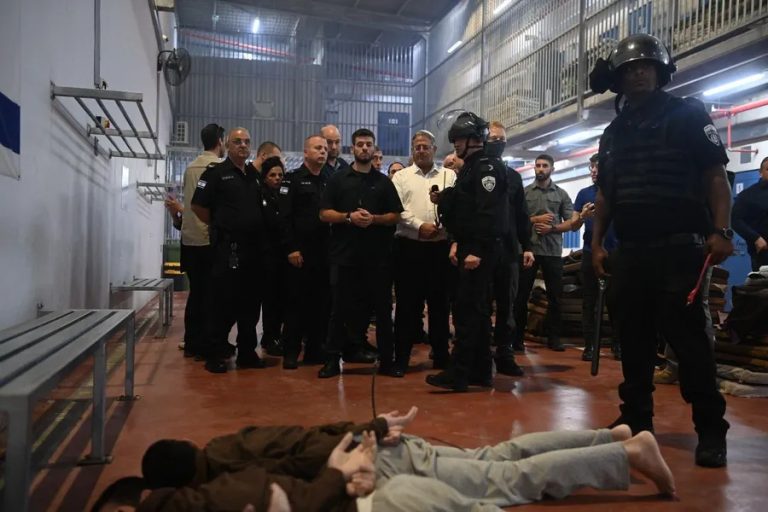
Public reactions in Israel have been mixed. Some express discomfort at the dehumanizing imagery, while others defend security measures as necessary. The event has also drawn international attention, with human rights groups calling for investigations into treatment of the workers after their discovery. Reports indicate they were handled roughly, despite the trauma of their journey.
As regional tensions remain high, incidents like this serve as reminders of the human cost of prolonged conflict. For Palestinians, survival often means navigating impossible choices. For Israelis, they highlight the moral and practical challenges of maintaining control over millions without offering viable futures.
The path forward requires more than tighter borders or temporary fixes. Addressing root causes — economic disparity, freedom of movement, and political rights — could reduce the incentives for risky crossings. Until then, the cycle of desperation and enforcement is likely to continue, with ordinary people paying the heaviest price.
Original analysis inspired by Odeh Bisharat from Haaretz. Additional research and verification conducted through multiple sources.