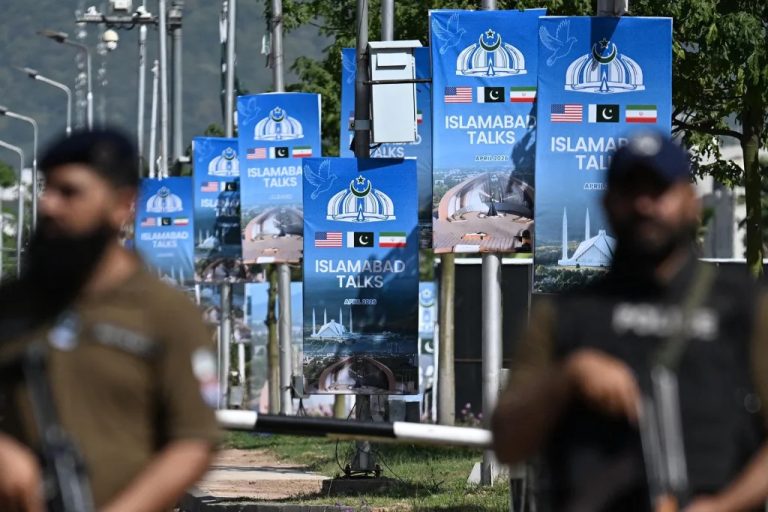
The second round of US-Iran talks in Islamabad ended without progress, leaving both sides locked in a dangerous standoff. President Donald Trump has threatened further strikes if Iran refuses his terms, while Tehran insists the American naval blockade of its ports violates the fragile ceasefire. With the Strait of Hormuz largely closed to normal traffic, global energy markets face continued strain and higher prices. A practical workaround exists that could break this impasse without resolving every thorny issue at once.
An “open for open” arrangement would see both countries lift their respective blockades on the strait. The United States would allow Iranian vessels to move freely, while Iran would guarantee safe passage for all commercial shipping. This limited deal would not require solving the nuclear question or dismantling proxy networks first. It would simply restore the flow of roughly one-fifth of the world’s oil and gas, easing immediate economic pain for everyone involved.
Such a step makes sense because both sides share an urgent interest in avoiding deeper crisis. Iran has suffered extensive damage from weeks of strikes, with losses estimated around $270 billion. Restarting oil exports is essential for its recovery. For the United States, prolonged closure of the strait has already pushed up gasoline prices and contributed to inflationary pressures at home. Neither side benefits from a drawn-out economic war of attrition.
Building Confidence Through Small Wins
Decoupling the strait from broader negotiations offers a low-risk way to test intentions. Historical examples show that limited agreements can create momentum when grand bargains seem impossible. The 2015 nuclear deal itself began with interim understandings that froze parts of Iran’s program in exchange for modest sanctions relief. An “open for open” formula could serve a similar purpose today, giving diplomats breathing room to tackle harder files like uranium enrichment limits and regional proxies.
Global markets would welcome the relief. Energy prices have fluctuated sharply since the conflict began, affecting consumers from Europe to Asia. Restoring predictable shipping through the strait would lower insurance costs for tankers and reduce the risk of sudden spikes. Gulf producers, already expanding bypass pipelines, could focus on long-term infrastructure rather than emergency rerouting.
For the United States, this approach avoids the trap of demanding everything at once. Trump’s team has set ambitious goals covering Iran’s nuclear program, missile capabilities, and support for groups like Hezbollah. Tehran shows no sign of yielding on these core issues. By focusing first on the strait, Washington could demonstrate pragmatism while maintaining leverage through sanctions and the threat of renewed strikes.
Iran, too, has reasons to consider the deal. Its economy is reeling, and prolonged isolation could spark internal unrest. Allowing normal traffic would bring revenue without requiring major concessions on sovereignty or security. Iranian officials have already signaled conditional openness to safe passage, provided the US eases its blockade on Iranian ports.
Broader Implications for Regional Stability
Success on the strait could influence other players. China, a major buyer of Iranian oil, has quietly encouraged de-escalation to protect its energy imports. Gulf states, caught in the crossfire, would gain breathing room to rebuild infrastructure and diversify export routes. Even Israel might see value in reduced tensions, although its concerns about Iranian proxies would remain.
The proposal does not ignore the deeper problems dividing Washington and Tehran. Nuclear verification, ballistic missiles, and proxy activities would still require lengthy talks. Yet creating one area of cooperation could build the minimal trust needed to tackle those files later. Without such a step, negotiations risk becoming a repetitive cycle of threats and walkouts.
Critics may argue that any concession rewards Iranian behavior. Yet the alternative is continued economic disruption with no guarantee of better terms. Both sides have shown they can inflict pain, but neither appears able to force total surrender. In such circumstances, pragmatic deals become the responsible path.
The coming weeks will reveal whether leaders in Washington and Tehran recognize this opening. If they do, an “open for open” agreement on the strait could mark the first step toward a more stable, if still imperfect, regional order. If they don’t, the risk of renewed escalation will only grow as economic costs mount.
Original analysis inspired by Max Boot from Council on Foreign Relations. Additional research and verification conducted through multiple sources.