
Nabi Sonboli

Alina Cara Beyer
Maryam Raashed
Pakistan’s Mediation Bid in Iran-US Crisis
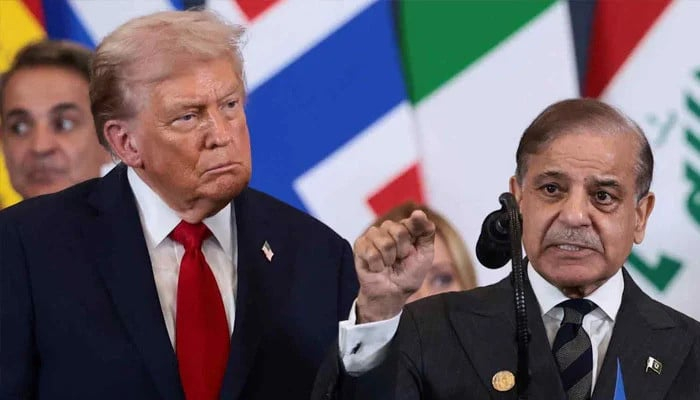
Pakistan has emerged as a pivotal mediator in the ongoing US-Iran crisis, hosting historic high-level talks in Islamabad. Driven by urgent energy security needs and the risk of border instability, Pakistan is leveraging its unique relationships with both Tehran and Washington. However, as it seeks to translate diplomatic utility into economic investment, the shadow of past transactional relationships with the US looms over its strategic calculations.
Meta Faces Scrutiny Over Palestine Content Policies
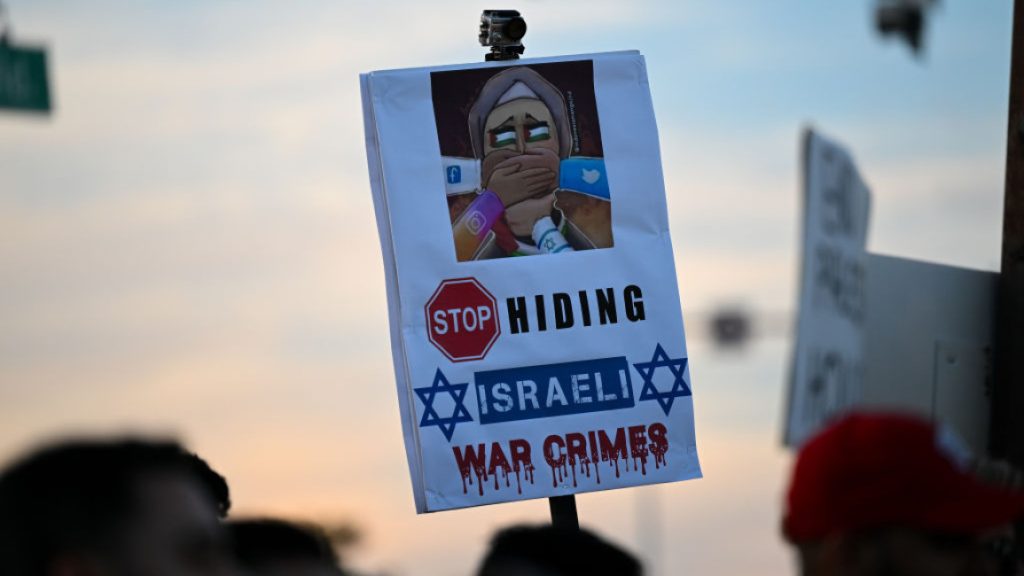
A recent investigation into Meta’s content policies has exposed a systemic imbalance in how the platform moderates the Israel-Palestine conflict. The report highlights that while pages inciting violence often remain monetized, Palestinian media outlets face significant restrictions. This disparity raises critical questions about corporate responsibility and the role of social media in shaping real-world human rights outcomes.
Lebanon Stands at Crossroads of War and Diplomacy
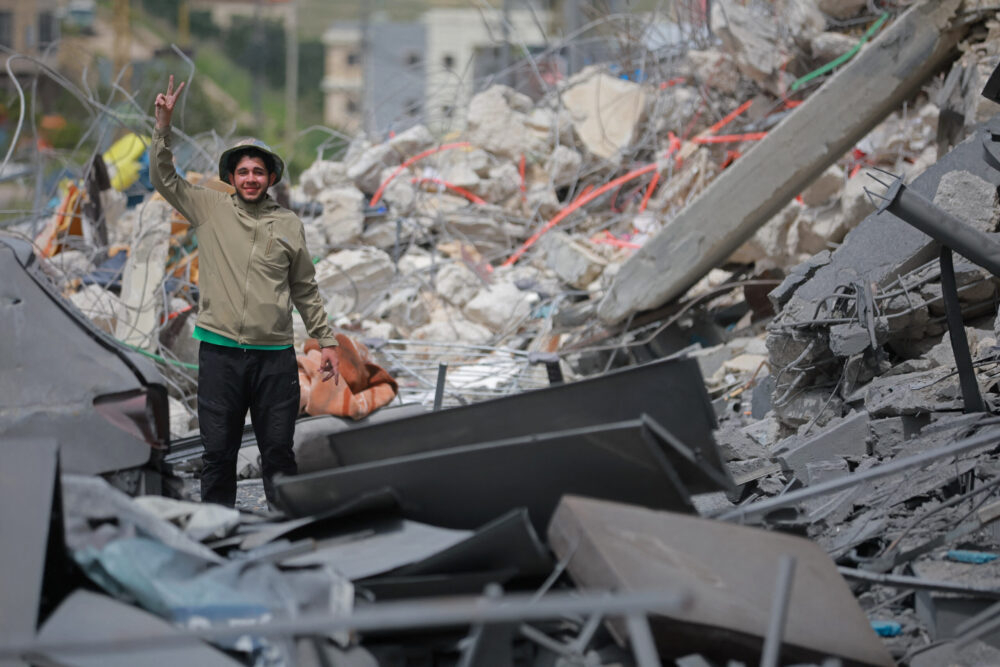
As conflict intensifies, Lebanon has become a critical test case for Middle East stability. A prominent panel at the Middle East Institute is examining the interplay between ongoing military exchanges and historic diplomatic efforts, focusing on whether Lebanon’s institutions can survive the current regional storm and pave the way for a sovereign, peaceful future.
Hormuz Opening Offers Path Past Iran Stalemate
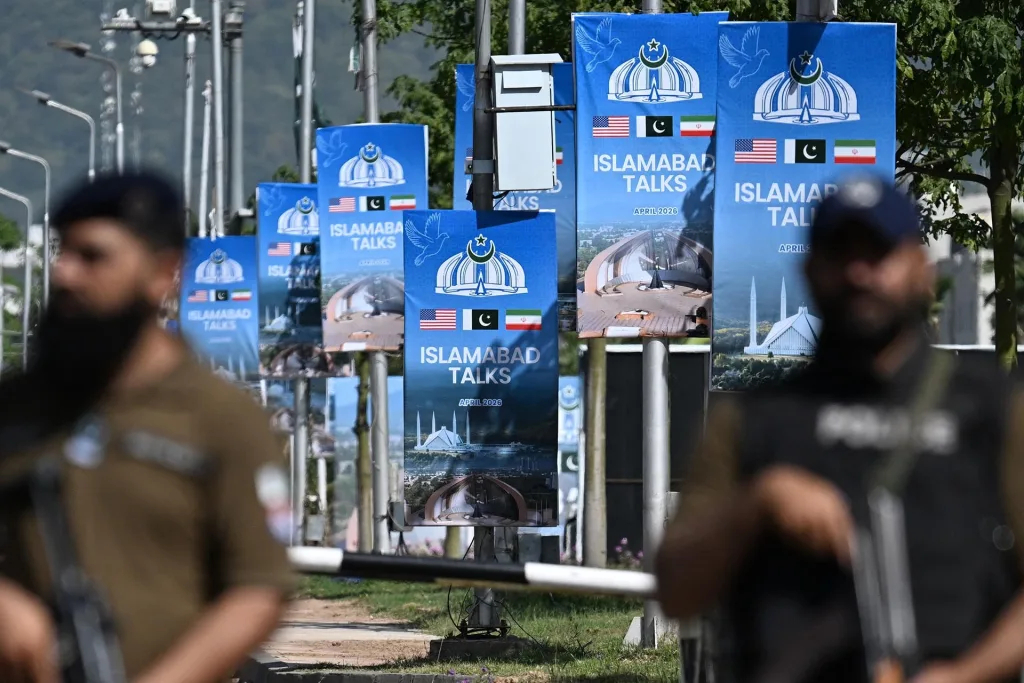
As the second round of Islamabad talks stalls, a new “open for open” proposal is gaining traction as a way to decouple global energy security from the thorny US-Iran nuclear dispute. By mutually lifting naval blockades in the Strait of Hormuz, both nations could ease massive economic pressures without requiring immediate concessions on core strategic issues, providing a much-needed cooling-off period.
Europe Tests Limits of US Influence
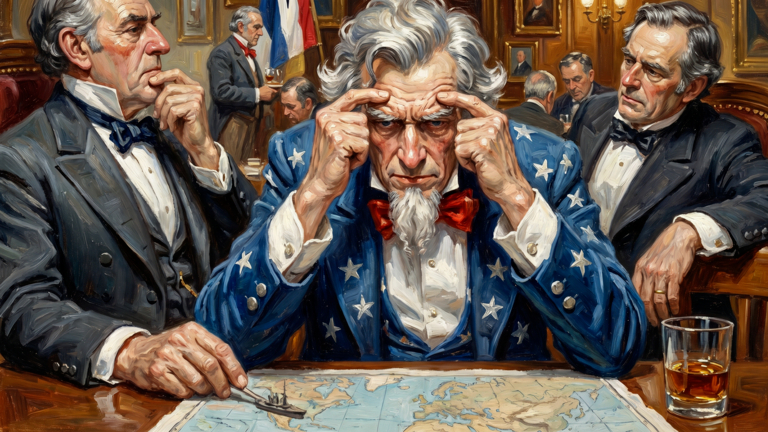
The transatlantic relationship is entering a new, more transactional era as European leaders increasingly prioritize domestic stability over unconditional alignment with U.S. foreign policy. Prime Minister Keir Starmer’s decision to opt out of the naval blockade against Iran highlights a growing strategic divergence, where European capitals are no longer willing to bear the economic costs of American-led confrontations.