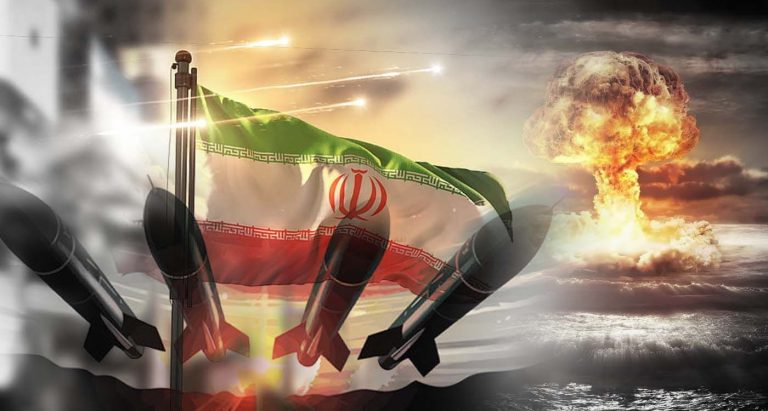
Tensions in the Persian Gulf have reached a dangerous inflection point. President Donald Trump rejected Iran’s latest response to American proposals aimed at curbing its nuclear ambitions, declaring the fragile ceasefire “on life support.” What Tehran offered fell far short of demands for a major rollback of its nuclear infrastructure, instead seeking to lift US naval pressure and blockades before addressing proliferation concerns.
This exchange reveals how carefully both sides are calculating the other’s limits. Trump had earlier paused elements of Project Freedom, the operation to secure shipping through the Strait of Hormuz, hoping sustained military pressure would produce concessions he could frame as a diplomatic victory. Iranian leaders, however, appear to have read the room in Washington with considerable skill.
They recognize a US leader wary of getting dragged into another extended Middle East conflict. Soaring oil prices from disruptions in the vital waterway have already strained economies worldwide, raising gasoline costs for American drivers and complicating preparations for major international events like the 2026 World Cup. With an eye on domestic politics, Gulf ally concerns, and his upcoming visit to China, Trump has every incentive to find an off-ramp that looks like success rather than retreat.
Yet the Iranian approach has left the American side with limited attractive choices. A new round of strikes might damage capabilities but risks closing the strait further, driving energy costs higher, and turning a limited operation into a quagmire without a clear victory image. Analysts warn this path could erode US deterrence not only against Tehran but toward other global competitors watching how Washington handles its red lines.
Israel’s Narrowing Focus
For Israel, the situation carries particular risks. Prime Minister Benjamin Netanyahu has repeatedly stressed that any acceptable outcome must include complete removal of Iran’s enriched uranium stockpiles and limits on enrichment capacity. This position aligns with long-standing Israeli security assessments and recent IAEA findings tracking concerning levels of near-weapons-grade material.
Israeli officials now walk a careful line. Rather than appearing to demand military action, they highlight the dangers of any arrangement that leaves Iran’s nuclear program largely intact. Such a deal, they argue, would merely delay the next crisis rather than resolve it. The uranium issue has become a public test of American credibility as much as an Israeli priority.
Regional and Global Implications
The current standoff carries implications that stretch well beyond bilateral US-Iran relations. Gulf states, already nervous about Iranian proxy activities and missile reach, watch closely to see whether American commitments hold. Disruptions to energy flows have global repercussions, affecting European economies, food security in import-dependent nations, and broader market stability. How this impasse resolves will likely shape perceptions in Beijing and Moscow about Washington’s willingness to enforce its strategic demands.
Trump entered these talks seeking a clear success that demonstrated the effectiveness of combining pressure with negotiation. Iran’s firm pushback has instead forced a moment of truth about what the United States is prepared to accept and what price it will pay to maintain its position. The coming weeks may determine whether this becomes a case of successful coercive diplomacy or a lesson in the limits of power projection when facing a determined regional actor.
Original analysis inspired by Eldad Shavit from Ynetnews. Additional research and verification conducted through multiple sources.