Tag: Gulf Cooperation Council

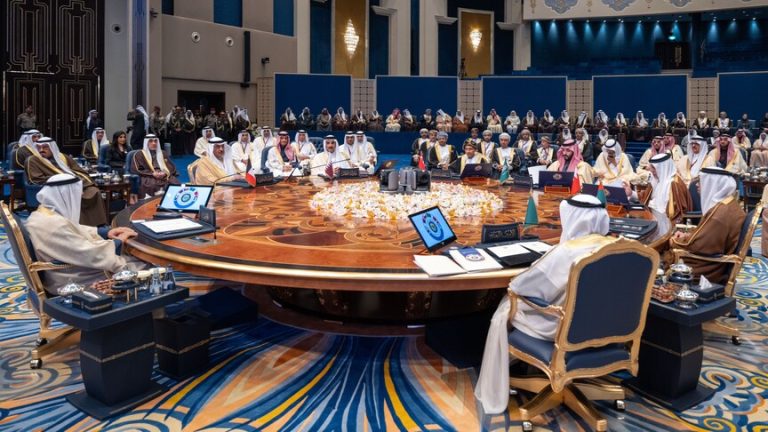
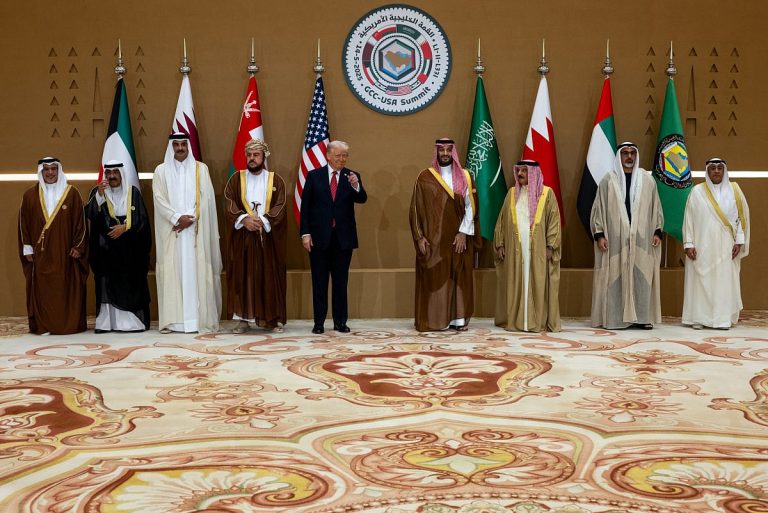
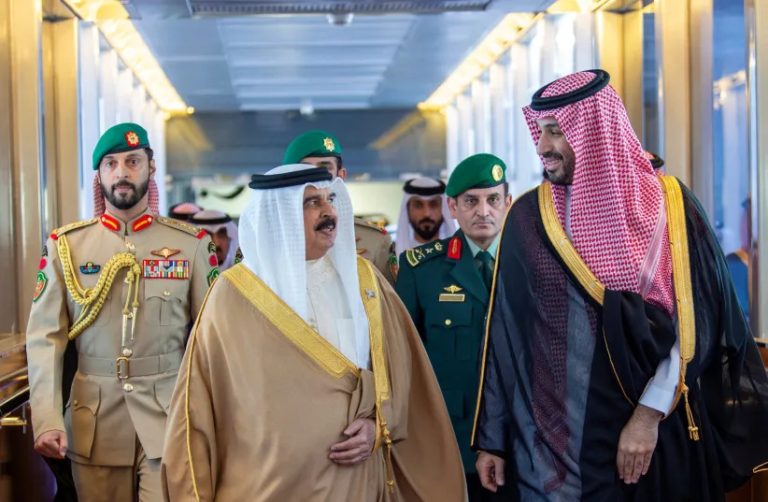
Leaders from Gulf States walking together to discuss regional security and Iran.

Gulf States Draw the Line on a Wider Iran War

This analysis examines the evolving diplomatic efforts between the United States and Iran, highlighting the pivotal role Gulf nations are playing in urging a move away from military conflict. By detailing the economic and political pressures driving both Washington and Tehran toward a negotiated settlement, the report evaluates the structure of the proposed 60-day diplomatic framework and the significant hurdles remaining regarding nuclear enrichment and the reopening of the Strait of Hormuz.
Read More »
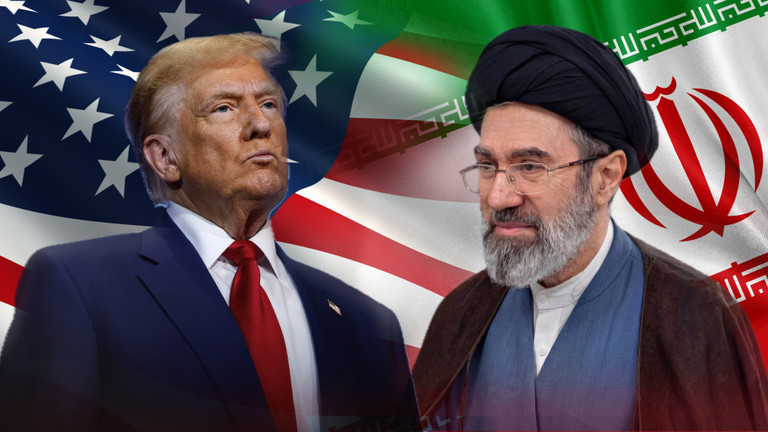
Donald Trump and an Iranian official superimposed over American and Iranian flags.

US-Iran Talks Are Failing And Both Sides Know It

This analysis examines the current collapse of US-Iran diplomatic efforts following the February 2026 outbreak of hostilities. By exploring the non-negotiable demands presented by Washington and Tehran’s defiant response, the article highlights the strategic impasse currently defining the conflict, including the continued blockade of the Strait of Hormuz and the precarious nature of the shaky, ongoing ceasefire.

Read More »
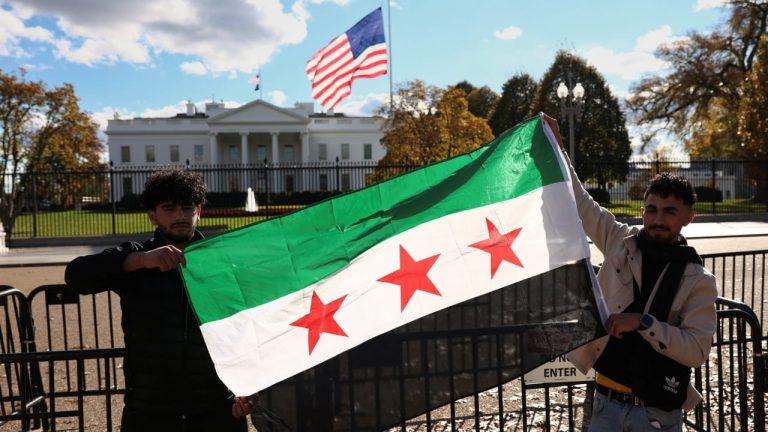
Two individuals holding the Syrian opposition flag in front of the White House.

Why Syria Must Build Lasting US Ties

This article evaluates the precarious state of the nascent US-Syria relationship following recent diplomatic breakthroughs. While shared security objectives have fostered cooperation, reliance on temporary alliances and personal networks leaves the partnership vulnerable to future political shifts. We analyze the strategic necessity for Damascus to institutionalize ties, prioritize economic engagement, and implement governance reforms to ensure long-term stability and international support.

Read More »
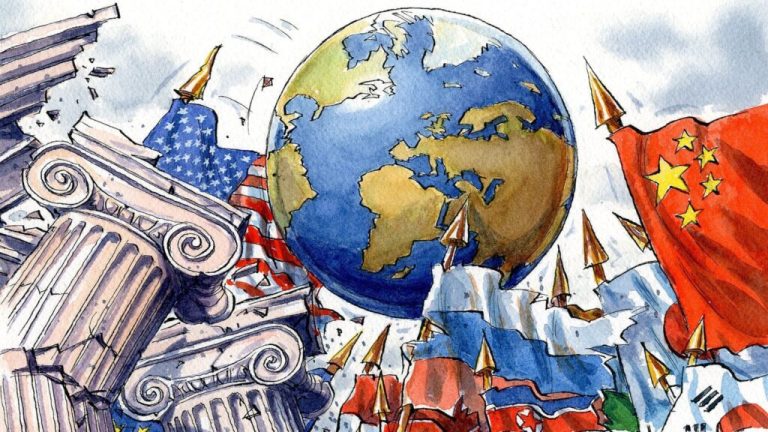
Political cartoon illustration of a globe surrounded by the flags of global superpowers like the US, China, and Russia amidst crumbling classical pillars, symbolizing a fractured multipolar world.

The Shadow of a Multipolar World: Gridlock in Geopolitical Arteries

This analysis explores the decline of American unipolarity and the onset of a transitional, multipolar era. Driven by Washington’s strategic miscalculations, the shifts include emerging non-Western security blocs, a highly vulnerable global energy market, and rising alternative alliances, forcing Western policymakers to cognitively adapt to an inescapable new geopolitical reality.

Read More »

UAE OPEC Exit Signals GCC Fragmentation

The UAE’s withdrawal from OPEC highlights a deepening fragmentation within the GCC. As Iranian strikes expose varying regional vulnerabilities, Abu Dhabi is prioritizing national autonomy and independent export routes over collective frameworks. This strategic shift suggests that traditional Gulf alliances are struggling to meet the demands of a volatile security landscape.

Read More »
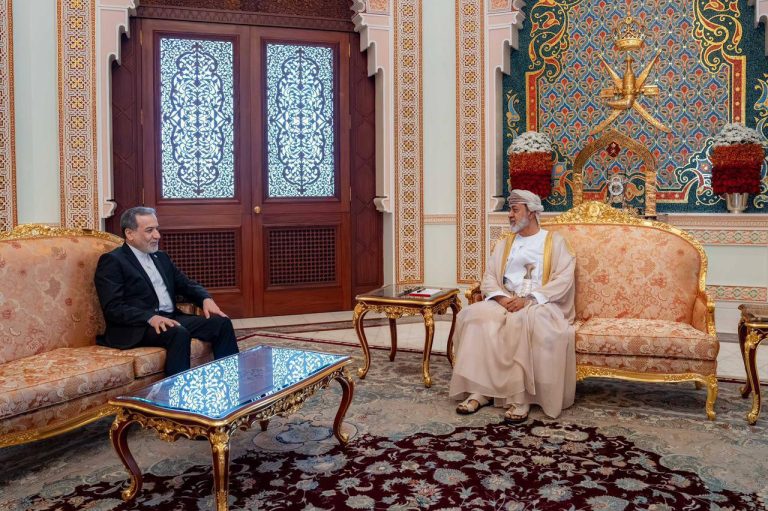
A diplomatic meeting between an Iranian official and an Omani leader in a grand palace room.

Why Lasting Iran Deal Needs Arab Inclusion

While international mediators have secured a fragile truce between the U.S. and Iran, long-term peace hinges on the formal inclusion of Arab Gulf states. Given their firsthand exposure to regional threats and successful history of mediation, these nations are essential for crafting a multilateral framework that addresses ballistic missiles and maritime security.

Read More »
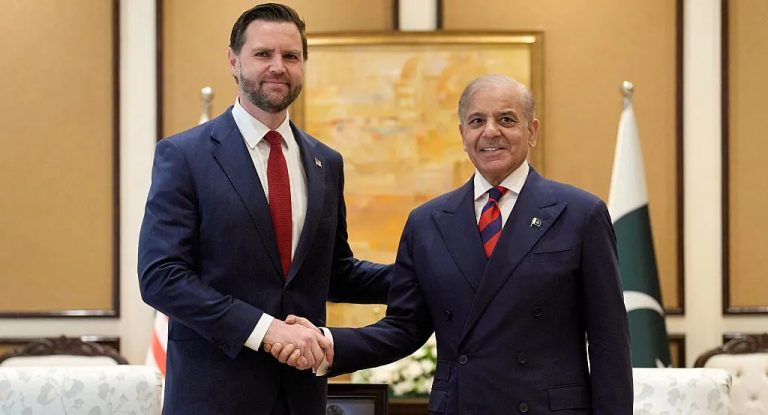
JD Vance shaking hands with Shehbaz Sharif during an official diplomatic meeting.

The STEP Quartet: How Four Muslim Nations Are Reshaping the Middle East

The emergence of the STEP quartet—Saudi Arabia, Turkey, Egypt, and Pakistan—marks a historic shift in Middle Eastern diplomacy. By brokering the Islamabad ceasefire, these four nations have positioned themselves as the primary mediators between Washington and Tehran, signaling a new regional order focused on strategic autonomy and collective security.

Read More »
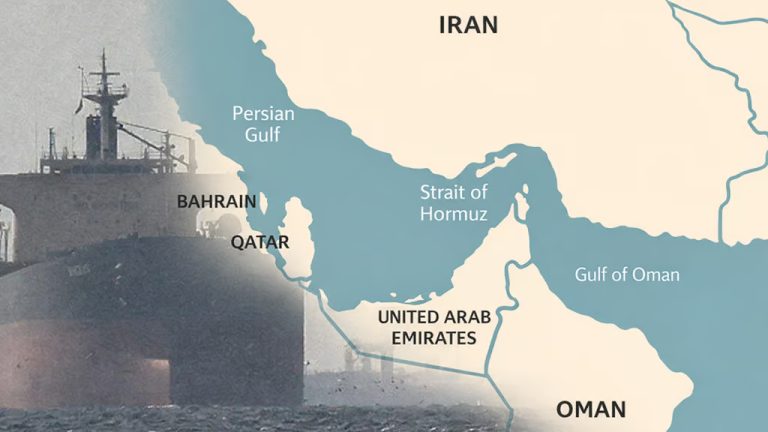
A geographical map of the Persian Gulf and Strait of Hormuz overlaid with a cargo ship.

The Ceasefire Is Signed, the Economic War Has Just Begun

The 2026 Iran War has triggered the largest energy supply disruption in history, dwarfing the shocks of 1973 and 1979. While the kinetic exchange has paused, the Strait of Hormuz remains commercially unusable due to a “Tehran Toll” system and a collapse in maritime insurance. With damage to Qatar’s LNG facilities projected to take years to repair, the global economy faces a structural “war premium” that threatens to push major economies into recession and force central banks to keep interest rates elevated through 2026.

Read More »
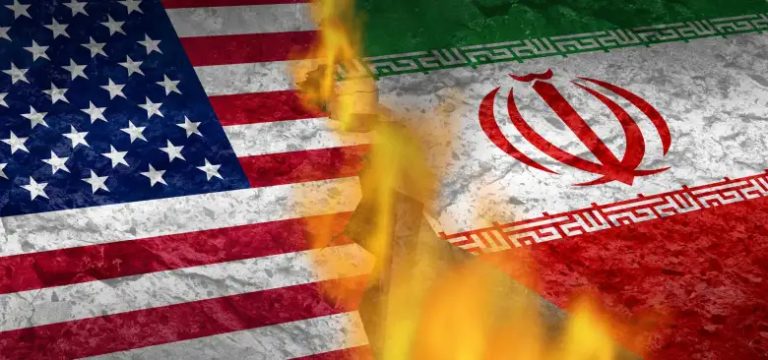
A conceptual image showing the USA and Iran flags separated by a deep, fiery crack in a stone surface.

Gulf States Face a Strategic Reckoning After Iran War

One month into the war, the Gulf Cooperation Council (GCC) states are navigating what has been described as a “Zeitenwende moment”—a systemic shift that is dismantling the decades-old security and economic models of the region. As of April 1, 2026, the conflict has evolved from a targeted strike into a regional emergency that has exposed the fragility of the Gulf’s “oases of stability” narrative.

Read More »