Tag: Gulf Cooperation Council

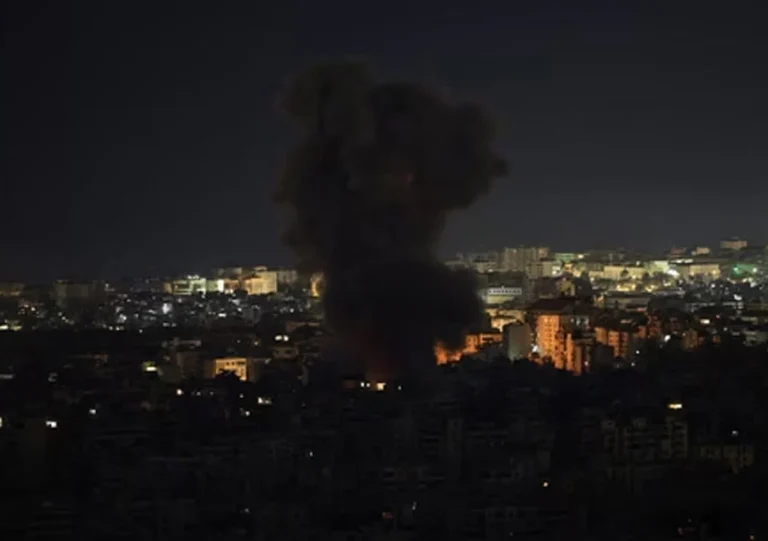
A nighttime view of a city skyline with a large, dark plume of smoke and fire rising from the center. The city lights are visible across the horizon under a dark sky.

When the Strait Closes: Food, Water, and the Hidden Cost of War

The closure of the Strait of Hormuz has triggered a global crisis extending beyond oil, paralyzing a third of the world’s fertilizer trade and threatening desalination plants critical for drinking water. This disruption risks long-term food inflation, compromised harvests, and severe economic strain on millions far from the conflict.
Read More »

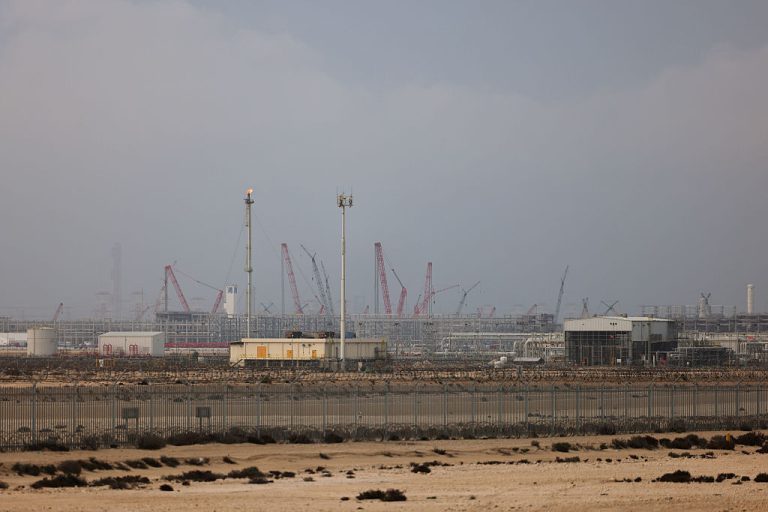
Iran’s Attack on Qatar’s Gas Fields Shatters Gulf Neutrality

Iran’s strike on Ras Laffan shattered Gulf neutrality. By targeting Qatar’s LNG lifeline, Tehran turned a mediator into an adversary. This “miscalculation” is welding the GCC to Washington’s military campaign. As neutrality shrinks, the Gulf’s focus has shifted from ending the war to ensuring Iran is permanently defanged.

Read More »
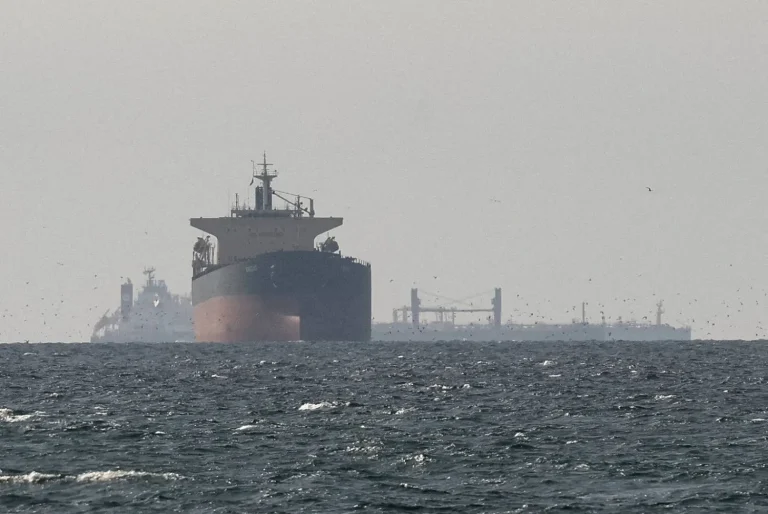
A large oil tanker ship sailing on choppy ocean waters under a hazy sky with other vessels in the distance.

Israel Invades Lebanon as Iran Drone Shuts Down Dubai Airport

Israel’s push deeper into Lebanon, Iran’s drone strike that shut Dubai’s airport, and a still‑closed Strait of Hormuz show a war widening on every axis. With Gulf capitals under fire, oil above $100, and sacred sites hit by falling debris, Day 17 underscores a conflict accelerating faster than any effort to contain it.

Read More »
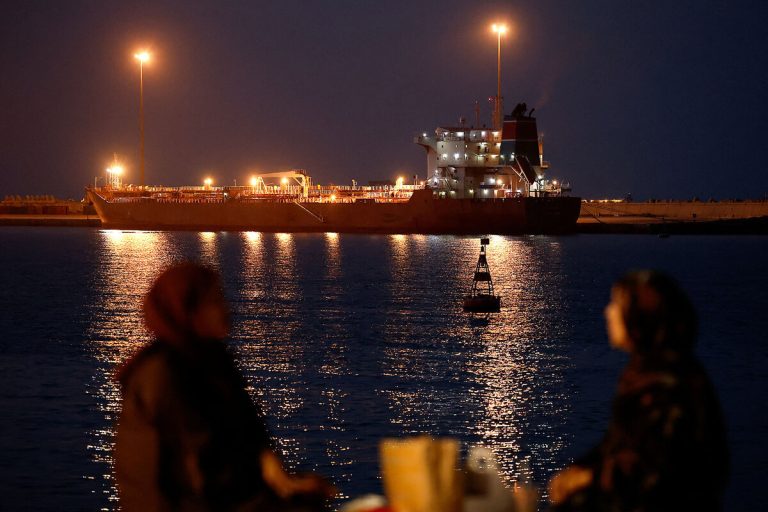
A large oil tanker at sea with black smoke billowing from its deck and a rescue boat nearby.

Reopening Hormuz: The Military Puzzle With No Quick Solution

Iran has shut the Strait of Hormuz with cheap drones and mines, while the U.S. lacks the ships, minesweepers, and escorts needed to reopen it quickly. Insurance markets have collapsed, oil supplies are plunging, and every delay strengthens Iran’s leverage. Some battlefields can be bombed open; Hormuz isn’t one of them.

Read More »
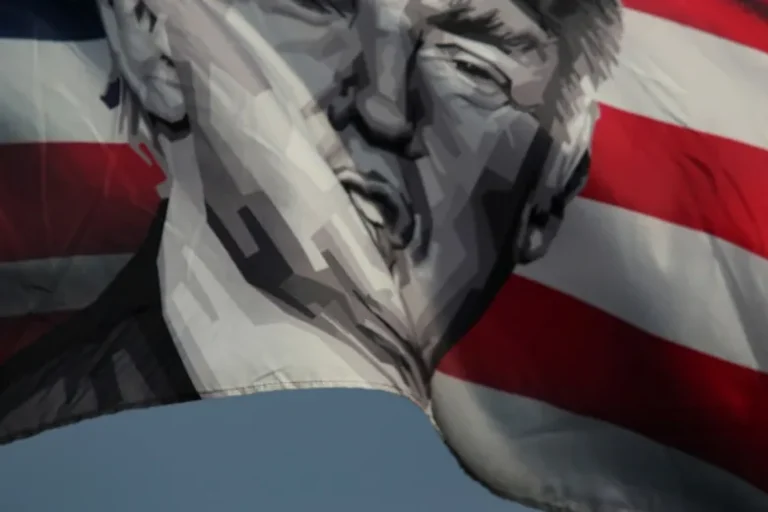
Stylized graphic of Donald Trump's face superimposed on a waving American flag.

Is Iran the Suez Moment That Ends American Hegemony?

Iran’s retaliation has exposed the limits of U.S. power: Gulf allies were hit despite hosting American bases, the Strait of Hormuz is shut, and global markets are recalibrating around a less reliable Washington. The war’s political and economic fallout accelerates a shift toward multipolarity — a moment many now compare to America’s Suez.

Read More »
A four-panel collage showing a fire truck at night, a highway sign near smoke, a crowd carrying a coffin, and a street with distant smoke.

Day 14: Iran Hits Ships in Iraqi Waters as War Spreads Beyond All Borders

On Friday, March 13, 2026—the fourteenth day of Operation Epic Fury—the conflict has metastasized into what the International Energy Agency (IEA) calls the “largest supply shock in the history of the global oil market.” As of mid-day, the war has reached twelve countries, and the “shipping war” has effectively paralyzed the northern Persian Gulf.

Read More »
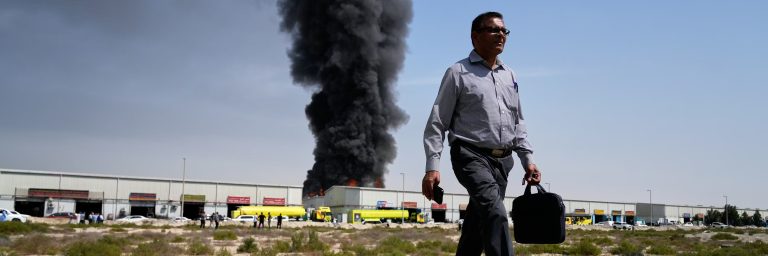
Man walking with a briefcase in front of a massive black smoke plume from a burning warehouse.

Gulf States Face an Impossible Reckoning After Iran’s Barrage

Iran’s unprecedented barrage on all six GCC states has shattered the Gulf’s belief that they could host U.S. bases, court Tehran diplomatically, and stay insulated from war. Missiles have crippled refineries, LNG exports, and data centers, while trust in both Washington and Tehran collapses — forcing Gulf rulers into a strategic reckoning they long tried to avoid.

Read More »
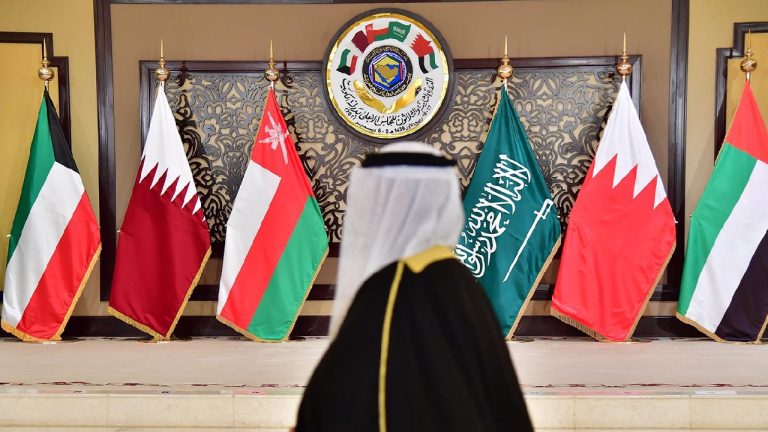
Leaders of the Gulf Cooperation Council (GCC) at a summit, symbolizing the growing economic and political competition between Saudi Arabia and the UAE.

Saudi-UAE Regional Competition: Economic Hub Rivalry and Political Divergence Risk Gulf Stability

The competition between Riyadh and Abu Dhabi has shifted from healthy rivalry to a high-stakes struggle for regional gravity. As Saudi Arabia lures 675 global headquarters with tax incentives, it directly challenges the UAE’s hub model. This economic friction, mirrored in political clashes over Sudan and Yemen, threatens to destabilize Gulf integration and overall regional security.

Read More »