Tag: AUKUS

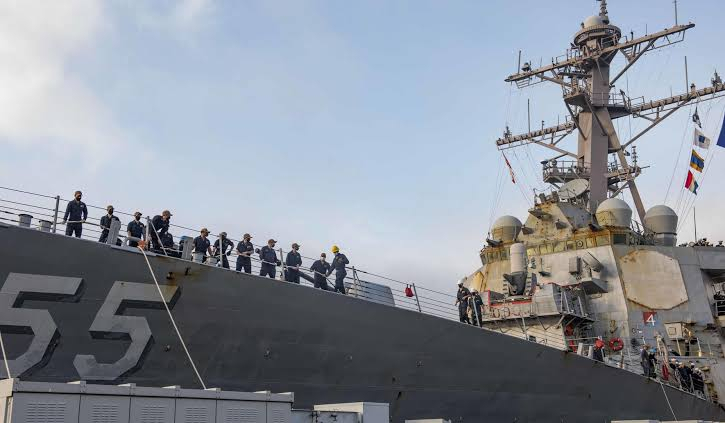
U.S. Navy sailors stand at attention on the deck of a naval vessel.

America’s Navy Is Winning Battles and Losing the Maritime Order

This analysis explores the critical disconnect between American naval superiority and the declining stability of the global maritime order. Despite massive expenditures, the U.S. fleet struggles with coercive asymmetric threats and a structural lack of domestic industrial capacity. The piece argues that reactive, ad hoc responses are insufficient to counter systemic vulnerabilities and the rise of China’s maritime infrastructure, necessitating a comprehensive strategic framework to address the realities of modern maritime disorder.

Read More »
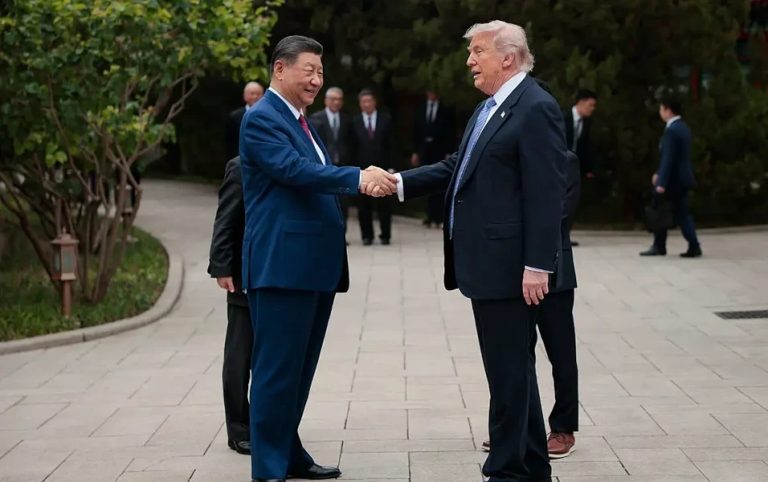
Trump and Xi Jinping shaking hands during a formal meeting.

Trump’s Taiwan Arms Freeze Is a Strategic Gift to Beijing

The Trump administration’s decision to pause a significant arms package to Taiwan marks a departure from four decades of bipartisan defense strategy. By conditioning military support on bilateral relations with Beijing, this move undermines the Six Assurances and raises critical questions about Washington’s long-term reliability among its Indo-Pacific treaty allies.

Read More »
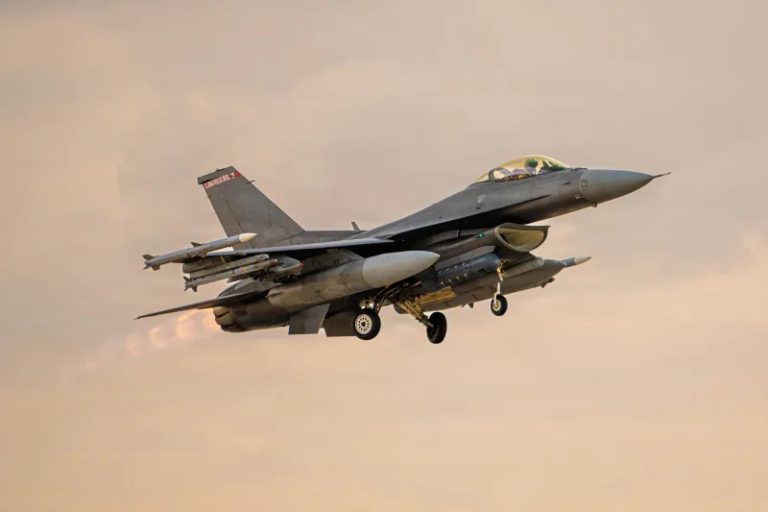
A U.S. F-16 fighter jet in flight, representing military power and global base presence.

America’s Empire of Bases Is Starting to Cost Its Hosts Too Much

This analysis examines the growing strategic liability of the U.S. “empire of bases” in the Middle East. As the ongoing conflict with Iran reveals the vulnerability of host-nation infrastructure—exemplified by the devastating June 3 attack on Kuwait International Airport—we explore how the proliferation of low-cost, high-impact drone and missile technologies has fundamentally inverted the security guarantee the U.S. once provided. We assess whether the increasing risk of hosting U.S. forces will lead to a systemic denial of access, potentially forcing a retraction of American global reach and fundamentally altering the future of U.S. military power.

Read More »
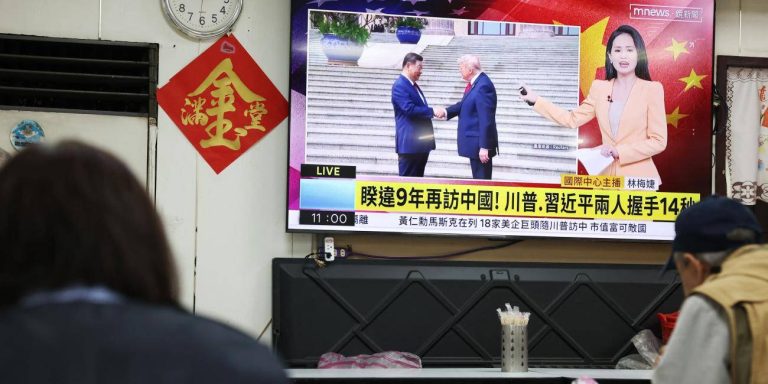
TV news broadcast showing Donald Trump and Xi Jinping shaking hands.

Indo-Pacific Allies Rethink Security After Trump’s Taiwan Gamble

This analysis explores the growing crisis of confidence among U.S. Indo-Pacific allies following recent shifts in Washington’s Taiwan policy. As traditional deterrence mechanisms face strain, key partners like Japan and South Korea are accelerating defense transformations and reconsidering long-standing nuclear restraint policies, signaling a profound shift in regional security architecture.

Read More »