Tag: Artificial Intelligence

Former U.S. President Barack Obama speaking into a microphone with his hand raised.

Why Obama Wants Democrats to Rethink Artificial Intelligence Policy

Moving away from his administration’s past tech restraint, Barack Obama is advising Democratic leaders to prioritize immediate AI regulation. Facing widespread public fear over job automation and corporate concentration, the party is weighing strict safety frameworks against conservative demands to prioritize global technological dominance.

Read More »
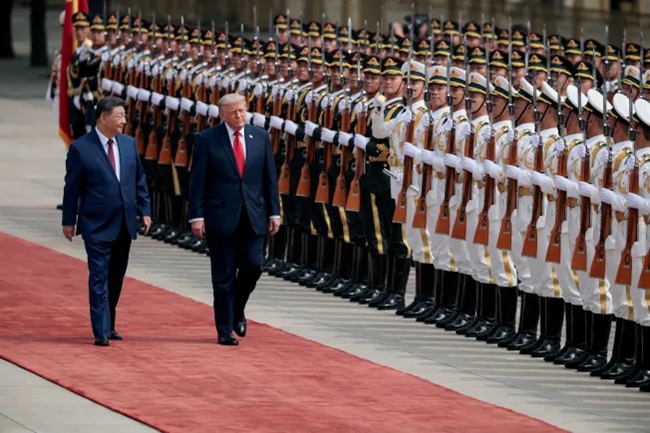
Xi Jinping and Donald Trump walking along a red carpet past a military honor guard.

Vulnerability Drives the Washington Beijing Truce

A shared realization of economic interdependence is driving a pragmatic diplomatic thaw between Washington and Beijing. Facing mutual vulnerabilities, deep commercial ties, and explosive flashpoints like Taiwan, both superpowers are establishing a baseline of stability to manage intense global competition without triggering catastrophic conflict.

Read More »
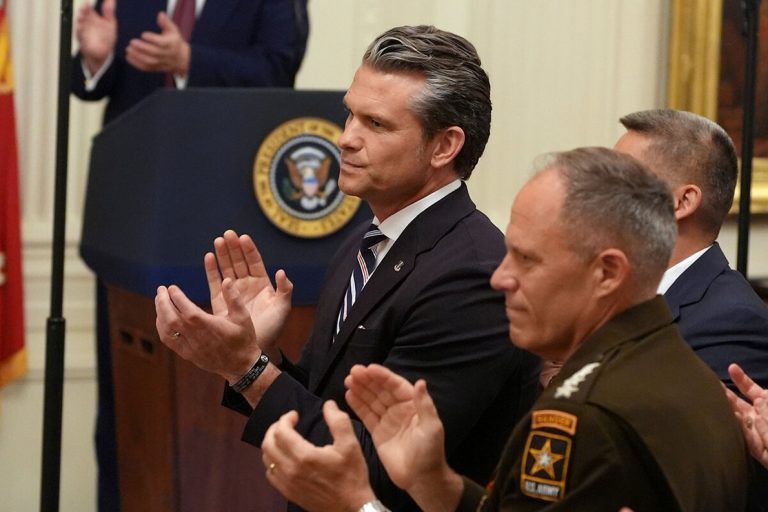
Pete Hegseth clapping alongside military officials during a formal event.

Pentagon Leadership Feuds Threaten American Defense

Escalating friction between civilian leaders and uniformed officers at the Pentagon is creating severe disruptions across the US defense establishment. Sudden purges of seasoned commanders, stalled modernization programs, and extended overseas deployments highlight a dangerous shift where political compliance risks compromising constitutional norms and national security readiness.

Read More »
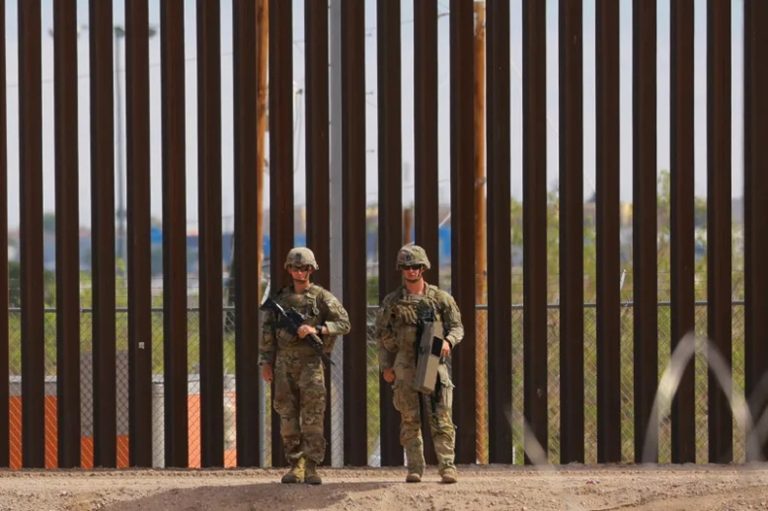
Two military guards in full uniform holding anti-drone equipment in front of a tall border wall fence.

American Security Faces Unprecedented Drone and Missile Threats

Vast oceans no longer guarantee American safety. As foreign adversaries deploy advanced hypersonic missiles, autonomous drone swarms, and AI-driven cyber threats, critical US infrastructure faces unprecedented danger. Depleted missile stockpiles and outdated regulations leave domestic targets vulnerable, demanding an immediate shift in national security planning and defense strategies.

Read More »
Two military tanks driving on a dirt terrain under a cloudy sky.

Autonomous Drone Warfare Faces Command and Control Crisis

Western militaries are investing billions in autonomous drone warfare, but undefined command structures and corporate ethical guardrails pose a major threat. When civilian algorithms block combat strikes, officers lack clear override authority. Without precise operational doctrine, even the most advanced defense technology risks complete paralysis during live engagements.

Read More »
Soldiers in military camouflage gear taking positions in a field during a smoke exercise

The Paradox of Militarized Climate Strategies

Global defense ministries increasingly frame climate change as a primary national security threat, rapidly expanding military budgets to prepare for environmental collapse. However, this strategy overlooks a fundamental paradox: armed forces generate roughly five percent of global greenhouse emissions. Expanding military capabilities to manage ecological instability ultimately fuels the exact crisis it seeks to survive.

Read More »
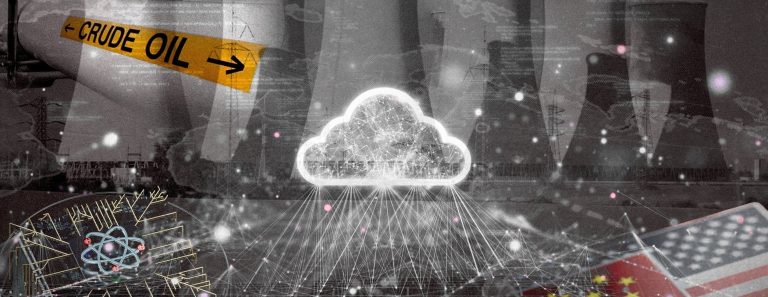
Abstract visualization of cloud computing, oil, and technology.

Gulf States Bet on AI Infrastructure as New Strategic Asset

Gulf states are aggressively investing in AI infrastructure, positioning themselves as leaders in the global digital economy. As computational capacity becomes as strategic as oil, these nations are balancing massive tech investments with the complex security challenges of protecting the critical server farms that now define modern state power.

Read More »
BRICS National Security Advisers stand in a line for a group photo at a summit in New Delhi.

BRICS Is Building a Security Identity

As BRICS expands to include nearly half the world’s population, the bloc is moving beyond economics to focus on shared security challenges. By prioritizing practical cooperation over military alliances, members are finding new ways to navigate global instability.

Read More »
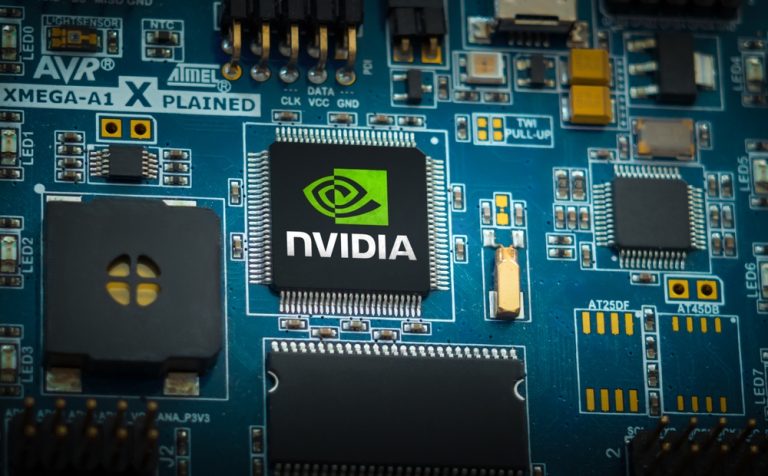
A close-up view of a high-performance NVIDIA computer chip mounted on a complex blue circuit board.

America’s Chip War Is Misfiring and Beijing Is Taking Notes

US export controls aimed at freezing China’s semiconductor progress have backfired. Instead of containment, these measures have spurred Beijing to aggressively scale domestic production. As the global tech landscape bifurcates, policymakers must now decide if current restrictions are protecting national security or simply eroding the revenue needed for American innovation.

Read More »
An artistic representation of a humanoid robot plugging a power cord into an electrical outlet near power lines.

AI’s Power Hunger Is Outpacing the Grid’s Ability to Cope

As AI infrastructure demand skyrockets, it threatens to overwhelm an aging power grid, risking a repeat of historical municipal bond defaults. With forecasts highly uncertain, policymakers are now scrambling to shift the financial risk of this energy expansion away from ordinary ratepayers and back onto the developers themselves.

Read More »
An abstract digital art piece showing white silhouettes of drones and missiles over a circuit board pattern.

Why AI Killing Machines Won’t Spread as Fast as Feared

This analysis challenges the narrative that AI-powered warfare will proliferate rapidly. While the Iran conflict demonstrated the immense tactical impact of systems like Palantir’s Maven, the author argues that true operational AI targeting is constrained by extreme barriers to entry: massive data labeling requirements, reliance on high-end cloud infrastructure, and the need for a mature precision-munitions industry. By examining the Israeli “blueprint”—built on years of data integration, multibillion-dollar cloud contracts, and robust domestic arms manufacturing—the piece highlights why AI remains “brittle” and difficult to replicate. Contrasting this with the rapid spread of simpler autonomous drones, the article concludes that while AI-driven conflict is inevitable, the “killing machines” of popular imagination face significant technical and material bottlenecks that will dictate a much slower global adoption timeline.


Read More »
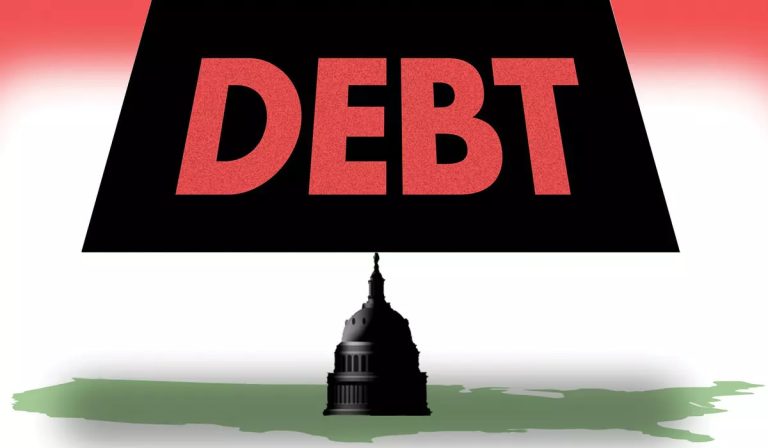
A graphic illustration of the word "DEBT" looming heavily over the US Capitol building.

America’s Debt Crisis Is Worse Than Politicians Admit

The United States faces an unprecedented peacetime fiscal crisis as federal debt approaches 100 percent of GDP during a period of strong economic growth. Driven by successive bipartisan tax cuts, rising interest rates, and the massive deficit impact of the recently passed Big Beautiful Bill, the structural deficit continues to widen. While some politicians argue that an artificial intelligence productivity boom will naturally resolve the imbalance, data from the Yale Budget Lab suggests that relying on automated growth to stabilize the debt is a dangerous miscalculation. Addressing this generational challenge will require a fundamental shift in political will, starting with structural revenue reforms rather than destabilizing cuts to essential social safety nets.

Read More »