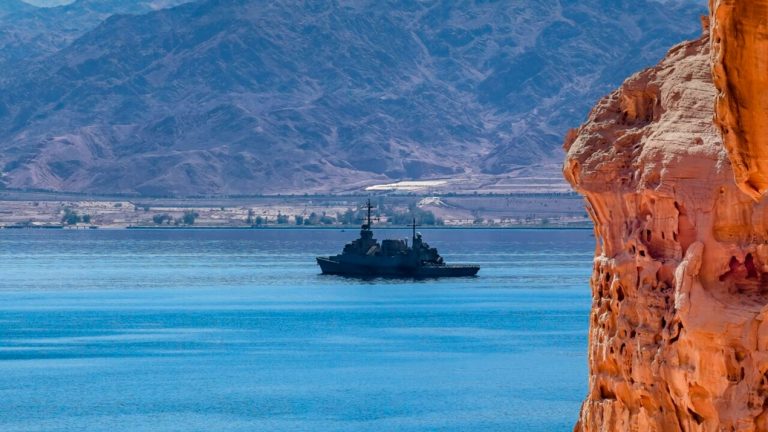
Middle Eastern capitals are actively restructuring their security frameworks to prioritize local leadership over external involvement. Saudi Arabia recently established a fifteen nation maritime alliance to protect vital commercial shipping lanes across the Red Sea and the Gulf of Aden. This strategic shift reflects a growing consensus that regional governments must directly manage their own territorial defense architectures. The initiative aims to counter repeated disruptions from Ansarallah forces without relying exclusively on foreign navies.
Restructuring Continental Security and Trade Routes
The push for a localized naval coalition gained momentum after authorities in Sanaa announced a formal blockade targeting Saudi vessels. The Ansarallah movement cited the continuing embargo on Yemeni airspace and seaports as their primary justification for these actions. Following years of devastating conflict across Yemen, Riyadh seeks to secure its surrounding waters independently from historical Western partners. By coordinating closely with nations like Turkey and Pakistan, Saudi officials are building a diplomatic front capable of maintaining regional stability. Several prominent energy analysts have evaluated this development as critical for global trade continuity.
American military forces previously attempted to degrade hostile capabilities through intense aerial bombardments known as Operation Rough Rider. President Donald Trump publicly claimed that these interventions successfully neutralized threats to international shipping. However, these operations caused significant civilian casualties and ultimately failed to dismantle the underlying militant infrastructure. Local defense planners observed that foreign military pressure often emboldens insurgent groups rather than deterring them. The newly formed alliance represents a direct rejection of endless American combat missions that lack clear strategic endpoints.
Adapting to New Geopolitical Realities
Historical arrangements previously traded American protection for guaranteed access to immense energy resources. Modern Middle Eastern leaders now recognize that unquestioning reliance on Washington creates severe vulnerabilities during unpredictable geopolitical crises. Recent escalations demonstrate that immense foreign military deployments frequently generate severe blowback that harms innocent populations. Regional monarchies now realize they are caught in expansive conflicts that damage their crucial civilian infrastructure. This realization has accelerated efforts to build indigenous defense capabilities that serve local interests first.
The creation of independent security structures signals an essential maturation of Arab geopolitical strategy. While Gulf states [suspicious link removed] important diplomatic relationships with Western nations, their absolute dependence on foreign protection is steadily diminishing. Security experts believe this transition provides an overdue opportunity for the United States to reduce its massive footprint across the area. A deliberate reduction in foreign interference could ultimately foster a more balanced and durable peace among neighboring countries. The evolving maritime strategy clearly indicates that the future of regional defense belongs entirely to local stakeholders.
Original analysis inspired by Alexander Langlois from The National Interest. Additional research and verification conducted through multiple sources.