
Why Congress Is Essential to US Grand Strategy
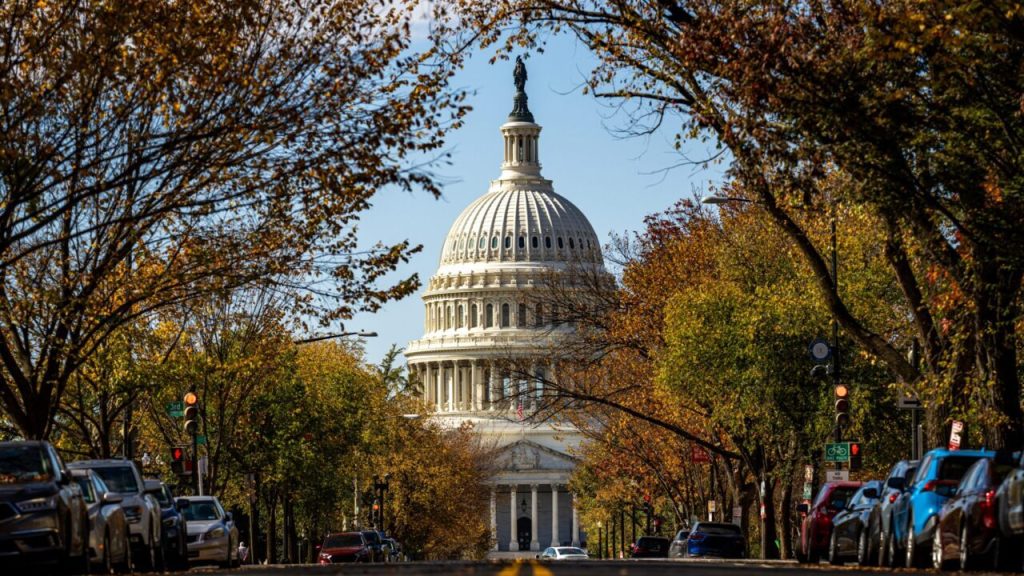
In 2026, the reliance on executive orders over congressional consensus has hollowed out American statecraft. From trade wars to undeclared military engagements, the absence of legislative deliberation undermines strategic continuity, leaving allies uncertain and adversaries ready to exploit the structural gaps in U.S. foreign policy.
Pakistan Iran Corridor Reveals US Strategic Weaknesses
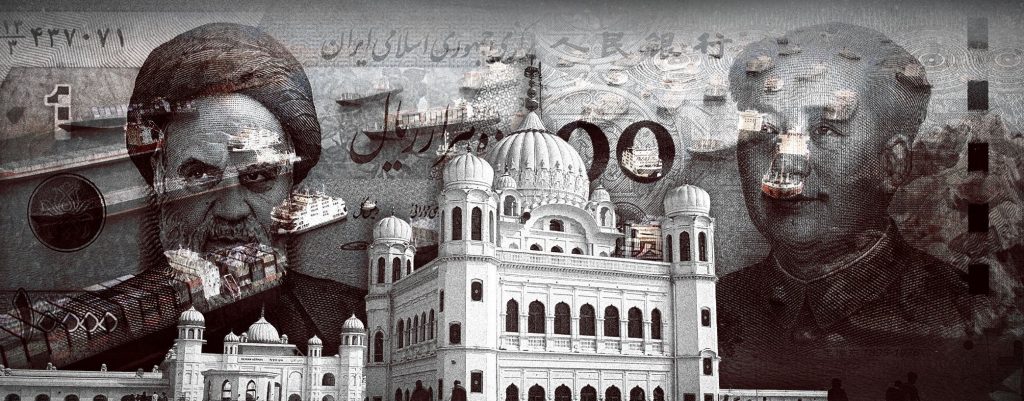
The activation of six dedicated land corridors between Pakistan and Iran marks a strategic shift in regional logistics. By rerouting cargo from Karachi and Gwadar directly to the Iranian border, Islamabad is providing a critical workaround to the Strait of Hormuz closure, potentially reviving stalled energy projects and deepening Belt and Road connectivity.
Israel’s War Economy Faces Global Isolation Test
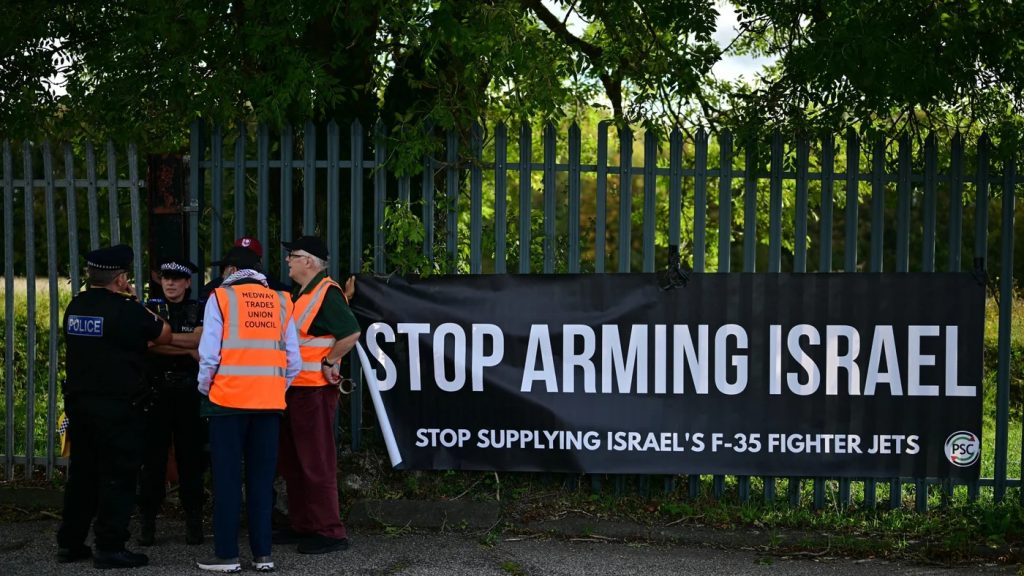
Israel’s economy is navigating a critical turning point as defense spending nears 8% of GDP. Facing a rising fiscal deficit and cooling foreign investment, the nation is testing whether its specialized security exports can offset growing diplomatic isolation and mounting pressure from traditional Western allies to reconsider trade and military aid.
China’s Legal Pushback on US Iranian Oil Sanctions
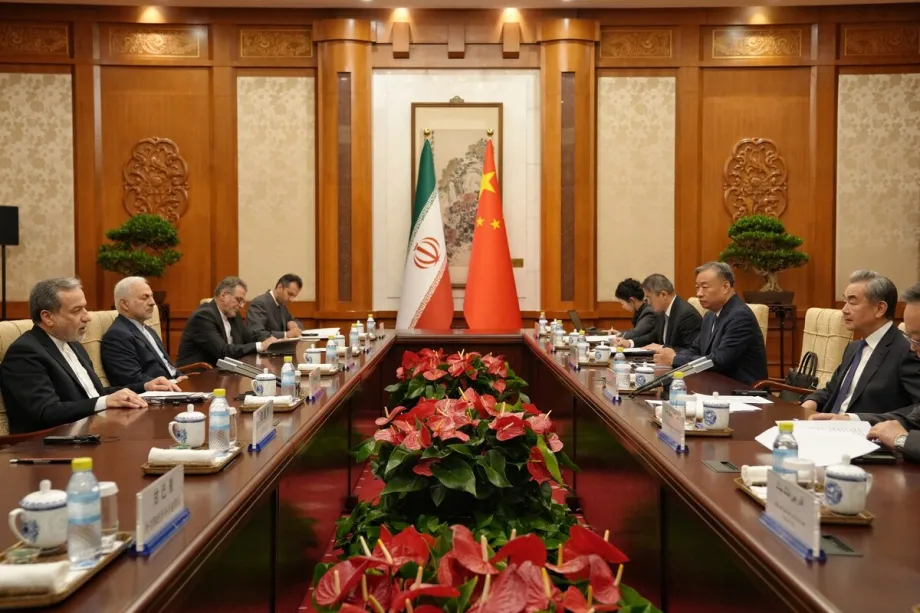
On May 2, 2026, China’s Ministry of Commerce issued a landmark directive blocking compliance with U.S. sanctions targeting refineries processing Iranian crude. By formalizing legal resistance and expanding RMB-based payments, Beijing is institutionalizing its defense against financial coercion, directly challenging the extraterritorial reach of Washington’s energy-related penalties.